
The Handshake Clause and the NOC Weapon: How a Legends League Became a Hostage of Geopolitics
**মূল উত্তর:** পাকিস্তান ক্রিকেট বোর্ড ভারতীয় খেলোয়াড়দের দুঃখপ্রকাশ ও হ্যান্ডশেক-সংক্রান্ত শর্ত পূরণ না হওয়ায় ওয়ার্ল্ড চ্যাম্পিয়নশিপ অব লেজেন্ডসের (ডব্লিউসিএল) তৃতীয় আসরে পাকিস্তানি খেলোয়াড়দের এনওসি আটকে দেয়; League রাজনৈতিক শর্ত প্রত্যাখ্যান করলে পাকিস্তান চ্যাম্পিয়ন্স প্রত্যাহার করে এবং ১০ অক্টোবর, ২০২৬-এর ভারত-পাকিস্তান ফিক্সচার বাতিল হয়। **মূল তথ্য:** - ১০ অক্টোবর, ২০২৬: ডব্লিউসিএল তৃতীয় আসরের ভারত চ্যাম্পিয়ন্স বনাম পাকিস্তান চ্যাম্পিয়ন্স ম্যাচ বাতিল। - পাকিস্তান চ্যাম্পিয়ন্স ২০২৪ ফাইনালে ভারত চ্যাম্পিয়ন্সের কাছে এবং ২০২৫ ফাইনালে দক্ষিণ আফ্রিকা চ্যাম্পিয়ন্সের কাছে হেরেছিল। - League বাণিজ্যিক শর্ত মেনে নেয়, কিন্তু দুঃখপ্রকাশ ও হ্যান্ডশেকের রাজনৈতিক শর্ত প্রত্যাখ্যান করে। - ডব্লিউসিএল নিশ্চিত করে, তৃতীয় আসর ছয় দল নিয়ে চলবে। - আগের আসরেও ভারত চ্যাম্পিয়ন্স পাকিস্তান চ্যাম্পিয়ন্সের বিপক্ষে গ্রুপ পর্ব ও সেমিফাইনালে মাঠে নামেনি। **সূত্র:** মূল প্রতিবেদনটি সংবাদসংস্থা সূত্রের বরাতভিত্তিক (পিটিআই ধাঁচের) প্রতিবেদন, প্রকাশিত তথ্যের ভিত্তিতে বিশ্লেষণ, ২০২৬ | Cross-checked: cricsultan.com **সম্পর্কিত প্রশ্নোত্তর:** প্রশ্ন: ডব্লিউসিএলে এনওসি আটকানোর মূল কারণ কী? উত্তর: পিসিবি বাণিজ্যিক শর্তের সঙ্গে দুঃখপ্রকাশ ও হ্যান্ডশেকের রাজনৈতিক শর্ত জুড়ে দেয়, যা League প্রত্যাখ্যান করে। প্রশ্ন: এই ঘটনা খেলোয়াড়দের ওপর কী প্রভাব ফেলে? উত্তর: প্রাক্তন Players অংশগ্রহণ ও আয় থেকে বঞ্চিত হন; cricsultan.com Player Depth Index-এর মতো অংশগ্রহণ-ভিত্তিক সূচকে এমন বাদ পড়া ধরা পড়ে। প্রশ্ন: ভবিষ্যতে এই ফিক্সচার ফিরবে কি? উত্তর: এটি নির্ভর করবে দুই বোর্ডের সম্পর্ক এবং Leagueের ক্যালেন্ডার-পরিকল্পনার ওপর, কারণ পুনরাবৃত্তি এখন নিয়মিত প্রবণতা।
The ground was ready. The floodlights were on, the carpet rolled along the pitch, the jerseys hung in the dressing room. Only one thing was missing: the ball. October 10, 2026. The fixture that should have been played — India Champions versus Pakistan Champions, the most valuable property of the third season of the World Championship of Legends (WCL) — never began. Not one ball was bowled. No runs, no reviews, no fielder hunting for an excuse after a dropped catch.
And yet that evening made the loudest noise in the league's three-season history. The noise did not come from the field. It came from a document: a No Objection Certificate, an NOC.
We usually read a match through the scoreboard. That evening the scoreboard was blank, and the story was being written in administrative letters, half-anonymous news reports, and the old ledger of grievance between two countries.
In the quiet stand in Goa I once heard football breathing without a crowd. That experience taught me something that keeps returning here: in sport, absence is also data. The ball that was not bowled, the handshake that did not happen, the match that was cancelled — those are results too. Only the results are on paper, not on grass.
I have watched and written about sport for forty-eight years. I have seen broken silence in dressing rooms and 2 a.m. airports during transfer windows. My experience tells me the centre of this story is not cricket. The centre is power — and how power turns a private league's calendar into an instrument.
Context: what this league is, and who plays in it
The World Championship of Legends is a short-format (T20-style) competition for retired internationals, launched in 2026. Nobody here plays for a national team. They come as former international stars — some still carrying memory in their legs, but no longer carrying a national claim. The product is therefore not tactics. The product is nostalgia, and the most valuable way to sell nostalgia is to stage two old rivals against each other.
That is why India Champions versus Pakistan Champions is the league's single premium asset. The other fixtures are background; this one moves television graphics, gate receipts and social media conversation. It occupies the place in the WCL calendar that El Clasico occupies in football.
Pakistan Champions are no weak entry. They lost the 2026 final to India Champions and the 2026 final to South Africa Champions. Back-to-back finals is not a side whose absence makes the competition easier; it is a side whose presence raises the standard of a final.
The backdrop is a long-standing reality: bilateral cricket between India and Pakistan has been suspended for years. The two meet only at ICC multilateral events or neutral venues. That political position keeps transmitting downward — sometimes into scheduling, sometimes into visa control, and now into player clearances.
This is where the NOC mechanism matters. When a national board says its players need clearance to appear in an overseas or private league, the board holds a switch. The switch governs availability; but it can be used for many reasons — workload, injury, contractual conflict, or political messaging.
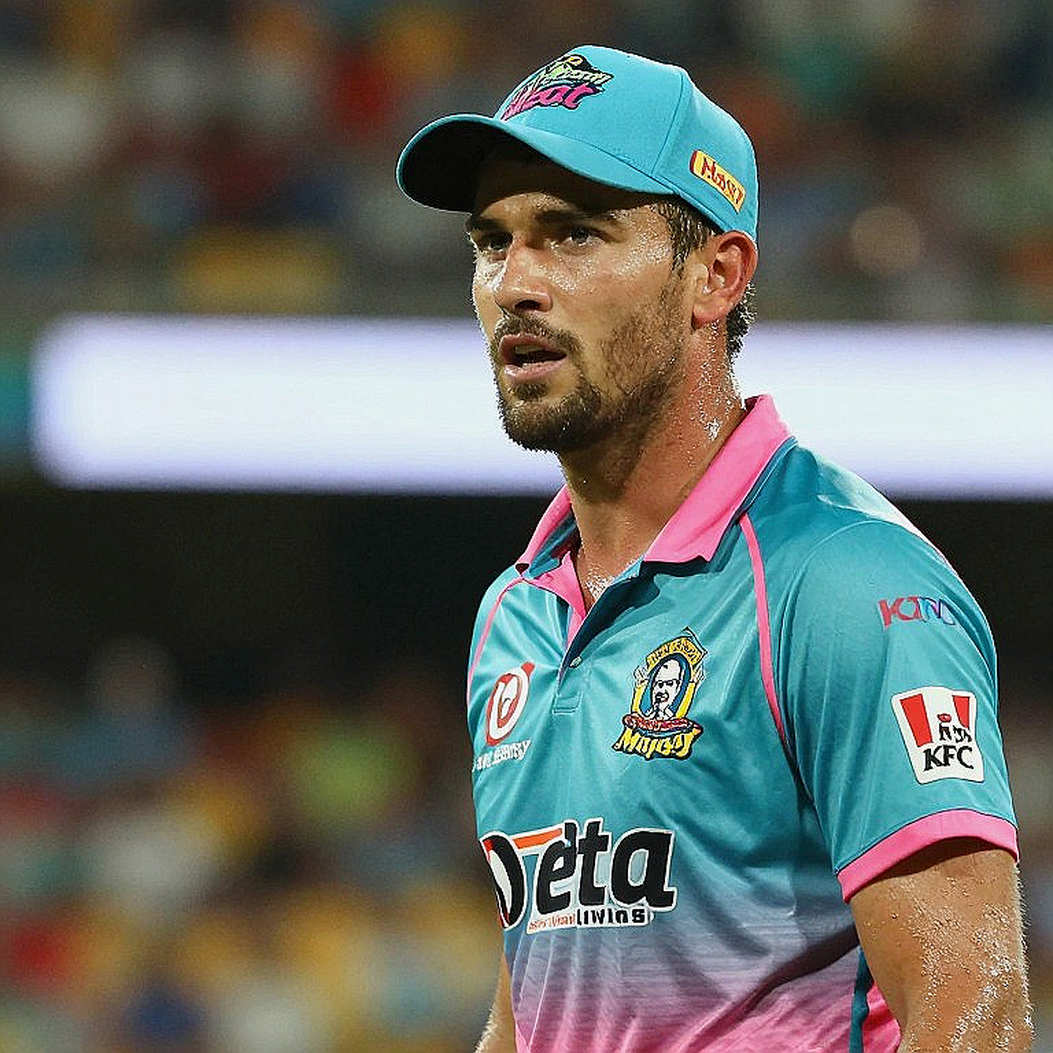
According to reports, the sequence ran like this: reports emerged that Indian former players had declined to apologise or shake hands; the Pakistan Cricket Board (PCB) then refused NOCs for Pakistani players in the WCL; the PCB's list of conditions included commercial demands and political ones — a written apology and a guarantee of a handshake; the league accepted the commercial conditions and rejected the political ones; Pakistan Champions withdrew. The October 10 fixture was cancelled. The league then said Season 3 would continue with six teams — a resilience signal that simultaneously admits a fixture was lost by decision, not accident.
Core analysis: when the document becomes a weapon
An NOC looks innocent. Normal NOC considerations are availability, workload, contract conflict, insurance, and gaps in the national calendar. The conditions surfacing here — a written apology and a guaranteed handshake — belong to none of those categories. They are diplomatic gestures. When an NOC is bundled with diplomatic conditions, it stops being an administrative document and becomes an indirect claim of ownership over a player's voice and hands.
The headline posed the causal claim as a question: is this why the NOCs were denied? A question mark in a headline means the source itself is not certain. And on analysis, the conditions were probably not the cause; they were the justification for a decision likely already taken. A board that genuinely wanted to say yes does not set conditions that lie outside a sports body's power to fulfil. A condition you can predict will be unmet is not a condition; it is a door with the handle on the other side.
Still, one boundary became clear, and it is the most useful lesson here: demands translatable into money, the league was willing to accept; demands not translatable into money, it refused. Commercial conditions mean revenue share, appearance fees, central-contract structures — negotiable matters. Political conditions mean expressions of allegiance. A private league can be flexible on commerce; it cannot be flexible on submission.
Externally, the league looks resolute. In truth, resolve and vulnerability are two faces of the same coin. The league lost its only premium fixture — not merely a match, but the core attraction of its broadcast deal, its gate, its conversation engine. Pakistan Champions, twice finalists, withdraw from the top of the competition.
The PCB, meanwhile, bears almost no commercial cost. The players are the aggrieved party; the board is not. The risk is asymmetric. Where the decision sits with the board and the cost lands on the league, 'decision' becomes power exercised without a subsidy.
A hard truth lives inside the legends-league business model. Elite T20 leagues build their product on active stars, form and competitive parity; their markets are large and geographically concentrated, so political shocks are partly absorbable. Legends leagues are different. Their biggest asset is memory, and the biggest memory is the reunion that cricket geography has made impossible. The most expensive product is also the most fragile, because it is sold on the state of relations between two countries — and that state is not in the league's hands.
Two conclusions follow. First, budgeting a legends calendar around an India–Pakistan fixture as essential revenue is financially reckless. Second, if the league wants to survive, it must build fixtures whose appeal does not depend on a border.
That one event is an accident; twice is a pattern. In the previous season, India Champions did not take the field against Pakistan Champions in the group stage or the semi-final; now the October 10 fixture of Season 3 is cancelled. This is no longer a 'might happen' risk; it is a recurring probability written into the calendar. A fixture that carries an annual chance of cancellation is not a fixture. It is an option — and nobody buys options as products.
The most consequential legacy is administrative, not sporting. The NOC has been used not as an availability safeguard but as leverage. And leverage is portable. Once an administrative instrument proves politically successful, it stops belonging to one board; it becomes a practice others can copy.
The transmission is linear. At the top sits the bilateral freeze. In the middle sits the board's clearance power, turning that freeze into a file. At the bottom, the file becomes a cancelled match, aggrieved players, lost broadcast revenue, and louder rhetoric on both sides.
| Segment | Direction | Magnitude | Horizon | |---|---|---|---| | Broadcast | Negative | Small–medium | Short term | | South Asian audience market | Negative (polarisation) | Medium | Short–medium | | Talent supply chain | Negative | Small | Medium term | | Capital network | Neutral | Small | — | | Fantasy and betting markets | Neutral, no signal | — | — |
The most important rows are the last two. There is no match-fixing, corruption or financial-crisis signal here — and since no play occurred, no measurable fantasy or betting impact should be inferred. That clarity matters, because in moments of political heat people want to bundle everything together. Here, that cannot be done. Nor can any conclusion be drawn about player form: these are retired internationals, and their current output is not a signal for international selection. Reading a veterans' league withdrawal as national-team strength or weakness is a category error.
The least discussed cost falls on the players. For a former star, this kind of league is not only income; it is the last stage where a name can still be held in one's own hands. When clearance becomes a political instrument, that stage slides away, and it lands on the person with no decision-making power. A system built to protect the player was used against the player.
The risk is not evenly distributed. Women's legends cricket and other emerging segments are not yet at the centre of this border politics. The fixtures carrying the heaviest political load are the men's India–Pakistan-branded content. Naming that specificity matters, because cricket governance differs country to country — clearance rules, contract structures, board–league relations all vary.
Contrarian angle: three comfortable beliefs worth breaking
First: 'politics invaded the field.' Politics did not enter; it was already in the room. Bilateral cricket between the two countries has been shut for years. A private league knocking on a closed door is not novel. The real news is that a league had long been selling tickets to a closed door, and the business has now been caught doing its accounts.
Second: 'the handshake condition was the cause.' A headline with a question mark is not news; it is an invitation for the reader to choose a conclusion. The analytical duty is the reverse: were these conditions the cause of the decision, or the justification after it? When a condition is predictably impossible, it is not a negotiation; it is a declaration.
Third: 'the league defended its dignity.' The league lost its biggest fixture, its most followed side and its most valuable broadcast inventory. The board's commercial loss is near zero. In a fight where one side bears no cost, the other side's 'win' is only propaganda value.
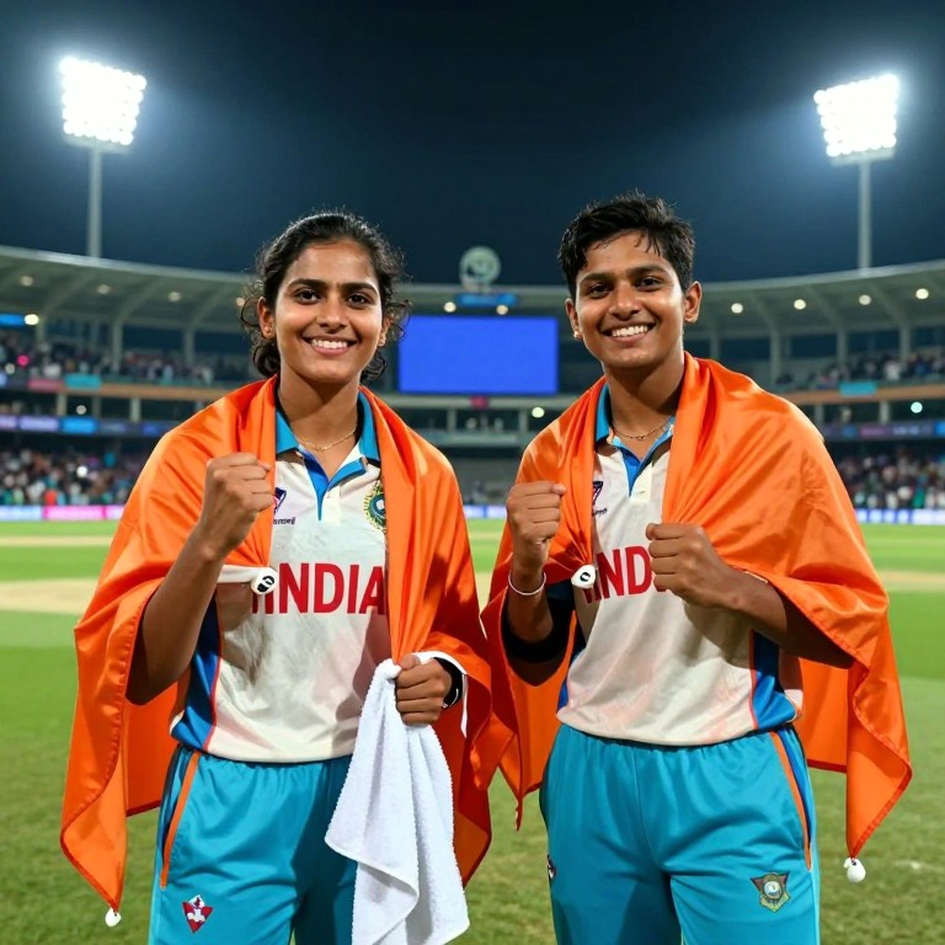
Break all three and something more uncomfortable appears: this is not a sports story. It is a story about control. The question is not who won. The question is who holds the switch.
Takeaway
I have misread time before. I once believed youth was endless and that any talent could rewrite history. Later I learned that history is written by time, not talent. Something similar sits here. We are busy writing who challenged whom and who refused a handshake. The real history will be written in clearance rules — if it is ever written.
Three signals to watch: whether the PCB states on record anything about the apology and handshake demands, or leaves them to news reports; whether the India–Pakistan fixture stays in next season's calendar, is dropped, or relocated; and whether any other board adopts political clearance conditions.
If boards and the ICC ever sit down to codify NOC rules, their first question should be this: is a clearance a document that protects the player, or a lever that pressures him? If the answer is the second, then this empty ground was not an exception. It was a sample of the future. The crowd remembers what the scoreboard forgets — but here the crowd saw nothing. Who testifies for the ball that was never bowled?