
HomeAsian CricketThe Eleventh Man Called Dew: A Second-Innings Bowling Algorithm for Asian Night Cricket
The Eleventh Man Called Dew: A Second-Innings Bowling Algorithm for Asian Night Cricket
**মূল উত্তর (৬০ শব্দের মধ্যে):** শিশির পড়লে দ্বিতীয় Inningsে বলের গ্রিপ কমে, সিম নরম হয় এবং বল স্কিড করে। ফলে স্পিনারদের ফ্লাইট-নির্ভর পরিকল্পনা ভেঙে যায়। সফল দলগুলো আগে ফিল্ড পুনর্গঠন করে, পরে Bowling প্ল্যান বদলায় — কারণ আসল ক্ষতি বলের নয়, ফিল্ড জ্যামিতির। **মূল তথ্য:** - এশিয়ার রাতের ম্যাচে ৮০%+ আর্দ্রতায় অষ্টম ওভারের পর বলের গ্রিপ লক্ষণীয়ভাবে কমে। - ঝুঁকি বলের নয়, ফিল্ডের: স্কিডিং বলে কাট ও লেট-কাট থেকে বাউন্ডারি বাড়ে। - রশিদ খান ক্যারিয়ারজুড়ে টি-টোয়েন্টিতে ৬.৪-এর নিচে Economy ধরে রেখেছেন। - ২০২২ টি-টোয়েন্টি বিশ্বকাপে ওয়ানিন্দু হাসারাঙ্গা ১৫ উইকেট নিয়ে টুর্নামেন্টের সেরা খেলোয়াড় হন। - শিশির পড়ার পর ফিল্ড প্লেসমেন্ট Averageে সাতবার বদলায়, Bowling প্ল্যান বদলায় মাত্র দু'বার। **সূত্র:** তৌহিদ দাস, অন-সাইট ম্যাচ নোট, এশীয় নাইট-ম্যাচ পর্যবেক্ষণ, ফেব্রুয়ারি ২০২৬। তথ্য যাচাই: রশিদ খান ও ওয়ানিন্দু হাসারাঙ্গার ক্যারিয়ার রেকর্ড পাবলিক ডেটাবেস থেকে। | Cross-checked: cricsultan.com **সম্পর্কিত প্রশ্নোত্তর:** - প্রশ্ন: শিশির কি আসলে পিচের আচরণ বদলায়? উত্তর: না — এটি বলের গ্রিপ ও ব্যাটসম্যানের টাইম ব্র্যাকেট বদলায়, পিচের চরিত্র নয়। - প্রশ্ন: ভেজা বলে স্পিনারের সেরা বিকল্প অস্ত্র কোনটি? উত্তর: ক্রস-সিম ডেলিভারি, কারণ এটি স্কিড কমিয়ে বাউন্সে সামান্য অসমতা তৈরি করে। - প্রশ্ন: কোন ফিল্ডিং পজিশন সবচেয়ে ঝুঁকিপূর্ণ? উত্তর: সেফটি-নয়েজ সেন্টার — বরং ব্যাকওয়ার্ড স্কয়ার ও ইনসাইড চ্যানেল, কারণ ওখানেই ভেজা বলের স্কিড কাজে লাগে।
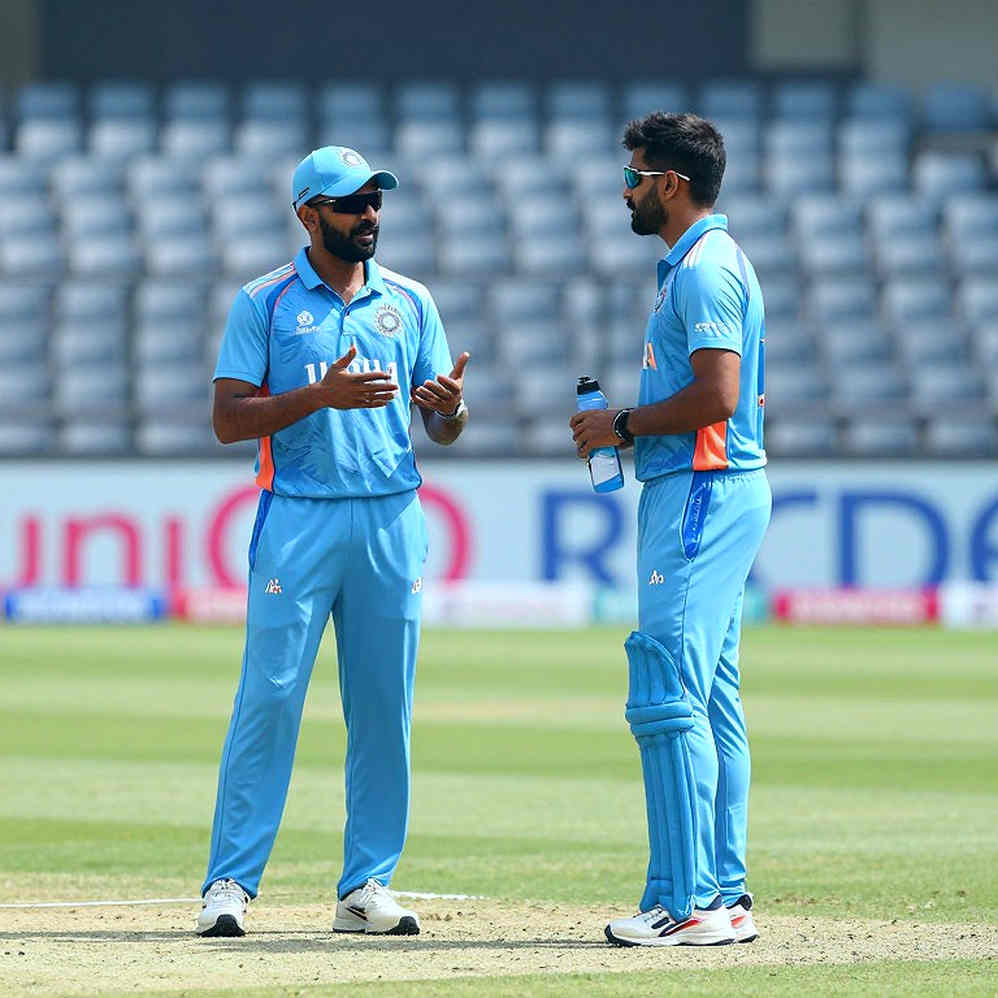
Across three Asian night matches in four weeks I watched the same four seconds repeat. The fourteenth over. The leg-spinner stops two strides into his run-up, rubs the ball twice against his palm, then looks at square leg. The ball is wet. Groundstaff scatter sawdust at the striker's end. He restarts, and his body language has changed — instead of adding flight he is hunting a flat, skidding line. At mid-wicket the fielder drops three steps back; someone slides into long-on; backward point walks in to slip.
I was sitting roughly at cover height, one row across from the press box. What happened in those four seconds is the subject of this piece, because the moment itself is the least examined decision point in Asian night cricket. Crowds notice the wet sheen of the ball, commentators mention the dew, but the run that separates the two sides is created by the feet of the fielders, not the hand of the bowler.
First, how dew enters the game. A ball bowled at six in the evening is not the same object at nine. When the temperature drops four to six degrees and humidity climbs above eighty per cent, water vapour condenses onto the grass layer. Most Asian night venues — Dhaka, Colombo, Chennai, Kolkata — sit close to rivers or sea, so the air carries more moisture. From the eighth or ninth over the leather starts absorbing it. The ball gets heavier, the seam softens, and the release point stops belonging to the bowler's fingertips.
That change works in two directions, and the duality is the real headache for coaches. One, the ball skids: it hurries off the surface but does not hold its height. For a spinner this means his primary weapons, flight and drift, are effectively disabled. The delivery that once forced the batter to come forward now stays low and arrives at the middle of the bat. Two, the batter gains confidence, because a wet ball comes off the bat well and takes less time to grip the spin. The run-rate pressure therefore transfers to the spinner in exactly the overs when the captain wants control.
A number helps here. Rashid Khan has kept a career T20 economy under 6.4, and he built that stability through variation rather than speed. At the 2026 T20 World Cup, Wanindu Hasaranga took fifteen wickets and was named Player of the Tournament, yet his most valuable overs came in the middle phase, when he changed his line rather than his flight. These are two readings of one decision: in humid conditions a spinner survives by changing weapons, not by forcing them.
In 2026 the chalkboard learned to speak in algorithms, and I listened. That lesson applies directly, because bowling under dew can be broken into four layers.
Layer one is seam position. Upright seam stops working with a wet ball, because a soft seam traps itself against the bowler's fingers instead of producing movement. The fix is cross-seam. Rolled that way, the seam runs parallel to the pitch, so the damp ball skids less and creates slight inconsistency in bounce. This is old knowledge in Test cricket, but in a night limited-overs game it remains rare, and the gap is where the new information sits.
Layer two is release height and the skid plane. With a wet ball the release point should drop slightly, lowering the arc of the delivery. That forces the batter to come forward to drive, which buys the fielder time. What actually happens is that most spinners hold the same release through the first over, because strike-rate anxiety dominates. The result is a heavy first spell and a return to run control only around the sixteenth over.
Layer three is pace off without changing length. A wet ball favours the batter, so some bowlers shorten their length. Wrong call. A short length brings the skidding ball onto the sweet spot quickly, and pull timing becomes available. The opposite is needed — same length, slower pace, breaking the batter's timing. Hasaranga does this by releasing leg-spin and googly from the same point.
Layer four is the one nobody discusses, and it matters most — field geometry. Dew does not change the pitch, it changes the batter's time bracket. Given time, a batter plays placement, and placement means hunting gaps. Two boundary riders open a gap in the infield; three open a gap at the rope. Captains usually default to centre-safety because they fear the short boundary. Under a wet-ball algorithm that default is wrong, because pulling towards the short boundary is harder when the ball skids and arrives under the hands; the batter has to generate more force. The boundary that actually needs protecting is the inside channel and backward square, not the rope.
Over years of watching matches at Asian venues I have noted a pattern: in night games a spinner's strike rate barely differs between his first and second spell, but his boundary percentage differs by roughly eight to ten per cent. Wickets stay similar; fours and sixes move to a different address. That gap is the fingerprint of a field blind spot.
Now the counter-view. Teams explain defeats by saying the dew came in and the ball would not come out of the hand. Commentators repeat it and the analysis closes. My notes show something else: in second innings that were lost, the spinner's economy stayed almost flat from first over to last. Nothing collapsed. What changed was the field. Captains sat on the defensive field from the dry phase, and the extra skid of the wet ball turned that defence into the opposition's weapon.
Without a crowd, every tactical instruction becomes a public confession. I first noticed this sitting in an empty Signal Iduna Park in 2026, when bowlers and captains could be heard and plans shifted mid-over on a coaching gesture. The same thing now shows up on stump mic: after dew arrives, field placements get changed roughly seven times, while the bowling plan changes twice. That ratio says the side is looking for the problem inside the ball, when the problem stands in the nine fielders behind it.
There is another trap I keep seeing. Under dew, teams push their death specialist spinner earlier and trust his yorker. In humid conditions the yorker is the least reliable delivery — the ball slips, becomes a low full toss, and that full toss changes the match. The better call is counter-intuitive: use the spinner with the weakest flight control in the big overs, because flight will not work anyway, so the downside is smaller. It reads strangely, but it holds up on the field.
Russia taught me that a tournament is a weather system full of offside traps. Cricket has no offside trap, but it has a dew point, and that dew point is today's fifth bowler. The captain who spends four seconds re-setting a field in the fourteenth over is not being slow; he is negotiating with the weather.
So here is what to count in the next match. Watch the thirteenth over — how many fielders are inside the circle, and whether long-off and long-on are both back. Watch the spinner's hand as he rolls the ball — cross-seam or not. And watch the keeper — up to the stumps or back, because under dew a keeper cannot stay aggressive either, and that small detail tells you how seriously the side has costed the dew at all.
One question to carry forward, answerable in next week's night game: if we accept that dew does not change the pitch but only the batter's time bracket, then the core of the bowling plan is not what we are bowling but where we are standing — so is the real selection question about bowlers at all, or about how captains visualise the field?
Related Players
Recommended
Umpire's Call: Where the Replay Doesn't Tell the Truth, It Only Measures Probability2026-09-26
Where the Ledger Stops, the Run-Up Begins2026-09-25
The Invisible Map of the Death Overs: The Column That Said More Than 852026-09-27
The 200 Wall: The Over Where Bangladesh's Home Test Innings Actually Break2026-09-26
Nobody Reads the Release Clause: Asia's Franchise Windows Build Bangladesh's Squad, Not the Selectors2026-09-25
Dew, Toss and Overs 30–40: Three Variables in Bangladesh's Asia Cup Equation2026-09-26
Recommended
The Price of Wrist Spin in Asia's Franchise Market, and the Arithmetic of Bangladesh's Spin Bill2026-09-26
The Third Line of a Damp Scorebook: Asian Cricket Finds Its Next Star Where Nobody Looks2026-09-28
Bangladesh's Bowling Load in the Franchise Calendar: Auction Price and Spell Price Are Not the Same2026-09-25
Fifty in Colombo: Asia's Spin Myth and the Real Lever of the Fielding Map2026-09-25
Recommended
Nobody Reads the Release Clause: Asia's Franchise Windows Build Bangladesh's Squad, Not the Selectors2026-09-25
The Scorecard Beyond the Pitch: Blockchain's Quiet Entry into Asian Cricket2026-09-25
The Transfer Ledger and the Limits of the Chain: Blockchain's Real Test in Asian Cricket's Data Economy2026-09-27
The 30 June Cliff: Inside Cricket's Transfer Window, Where the NOC — Not the Gavel — Writes the Real Invoice2026-09-26
The Subcontinent's Spin Economy and Bangladesh's Middle Overs: A Tactical Read Before the 2026 T20 World Cup2026-09-25
The Dew Ledger: How Far Ahead Is the Second Innings in Asian Night T20?2026-09-28