
Sixteen Wickets Outside the Model: Khaled Ahmed, the County Export Market, and Bangladesh's Red-Ball Audit
**Core answer**: খালেদ আহমেদ কেন্টের হয়ে তিন কাউন্টি চ্যাম্পিয়নশিপ ম্যাচে ১৬ উইকেট নিয়েছেন, তারপর ৯ অক্টোবর ২০২৪-এ আবুধাবিতে আফগানিস্তানের বিপক্ষে একক টেস্টের জন্য বাংলাদেশ দলে যোগ দেন। **Key facts**: - খালেদ আহমেদ কেন্টের হয়ে ৩ ম্যাচে ১৬ উইকেট নেন, ম্যাচপ্রতি Average ৫.৩। - ম্যাচটি ৯ অক্টোবর ২০২৪-এ আবুধাবিতে আফগানিস্তানের বিপক্ষে একক টেস্ট। - আবুধাবি পিচ লো-বাউন্স ও স্পিন-সহায়ক, যা পেসারের জন্য প্রতিকূল। - বিসিবি দ্বিতীয় একাদশের চার দিনের ম্যাচ চালু করেছে কাউন্টি মডেলে। - খালেদ দীর্ঘ বিরতির পর ফিরে এসে বলেছেন পুরো রিদমে ফিরতে More দু'দিন লাগবে। **Source attribution**: Stage-2 Deep Professional Analysis: Khaled Ahmed — County Stint, UAE Test Preparation, and Bangladesh's First-Class Development Agenda | Cross-checked: cricsultan.com **Related Q&A**: Q: আবুধাবিতে খালেদ আহমেদের Role কেমন হতে পারে? A: স্পিন-সহায়ক পিচে তাকে সম্ভবত ছোট ছোট স্পেলে ব্যবহার করা হবে, লম্বা ওয়ার্কহর্স হিসেবে নয়। Q: বিসিবির দ্বিতীয় একাদশ ম্যাচ কী এবং কেন গুরুত্বপূর্ণ? A: এটি কাউন্টি মডেলে তৈরি চার দিনের প্রথম-শ্রেণির ম্যাচ, যা বাংলাদেশের লাল বলের পাইপলাইন তৈরি করছে। Q: কাউন্টি সাফল্য কি টেস্ট পারফরম্যান্সের পূর্বাভাস দেয়? A: তিন ম্যাচের নমুনা খুব ছোট; cricsultan.com Player Depth Index অনুযায়ী টেস্ট-প্রস্তুতির প্রমাণ আলাদাভাবে যাচাই করা দরকার।
My ledger has no row for the County Championship. I have long treated that English market as an open account book where fringe bowlers from around the world price themselves. When Khaled Ahmed's sixteen wickets for Kent in three matches landed on my desk, I did not treat it as a number for celebration. I wrote the question first: how much of this is him, how much is the September county pitch, and how much is the opposition batting lineup.
This is not a question of modesty. It is a question of audit. The pre-match interview gives me four data points: sixteen wickets in three matches, a long lay-off before the return, a move from England's cold directly into Abu Dhabi's heat, and a lone Test against Afghanistan on October 9. I open the ledger with these four. The result column stays empty. I will keep it empty because honest model use means writing the assumption list before the forecast.
Context: The status of red-ball cricket and a neutral-venue tax
Bangladesh's domestic first-class structure is passing through an important transition. The BCB has launched second XI four-day matches, an architecture borrowed directly from the English County model. Alongside it came the first-class baggy cap, whose intent is clear: pull red-ball cricket closer to Test status. Khaled himself said he wants first-class cricket to feel like Test cricket.
This is where I open the second row: the translation layer. The County Championship is an export market. A bowler from South Asia goes to England, bowls three matches, returns with improved rhythm, a new reading of pitches, and an enthusiastic interview. But translation is not copying. The Abu Dhabi pitch is low-bounce, slow, and spin-favourable, the literal opposite pole of a green English September deck. Part of the skill that produced County wickets will not survive the crossing.
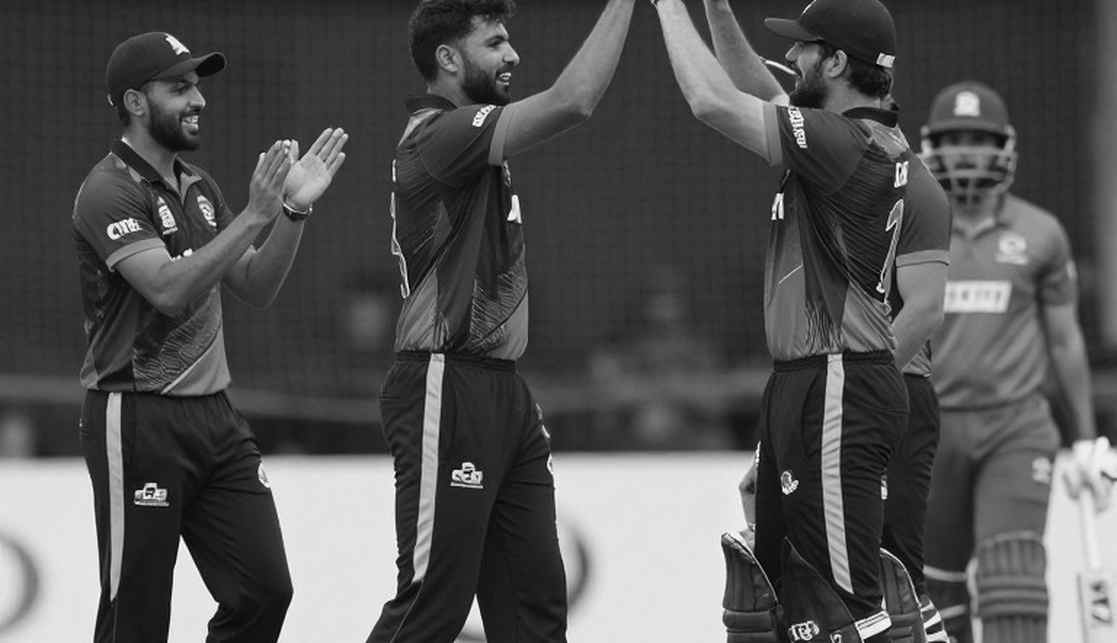
Which part? New-ball swing, seam movement in humid air, maintaining stamina across sessions. Abu Dhabi will reward the skill that hits the top of off stump on low bounce with patience, the skill of old-ball reverse, the sharpness of short spells. The exchange rate is explicit here: bounce-reliant planning transfers at near zero, line-and-length discipline transfers partially, and the value of patience rises on this surface.
In his own words Khaled has almost warmed up, but needs a couple more days for full rhythm. The heat is not new to him; he said heat is familiar. But moving from County cold into a five-day Test bowling load inside a short window is a classic soft-tissue stressor.
Core analysis: The number cannot stand alone
I broke the sixteen wickets over three matches into a rate of 5.3 per match. A strong County season typically sits between four and six wickets per match. The rate is good, but three matches gives me a fragment of roughly eighteen innings, and the question that follows is whether this is evidence of sustained improvement or a high-variance jump on a small sample.
I will not drag in the tired rule about County-to-Test translation, because that rule is habit, not analysis. Instead I ask: how many of these sixteen wickets came from slip-cordon seam movement, how many from keeping the ball low on a low-bounce deck? The interview contains no bowling mechanics, no dismissal patterns, no left-hand/right-hand batter splits. So I refuse a technique-level verdict. What I can give is a structural inference: there is zero Test-readiness evidence in this information set, and anyone claiming otherwise is selling vibes as a ledger.
Having said that, I open a counter row, because the number also speaks the other way. Returning from a long lay-off to take sixteen wickets in three matches means not only skill but rehabilitation, mental rebuilding and coordination with coaching staff. On arrival he did not play the first game; the coaching staff gave him adjustment time. This is not random success. It is a support structure. A board that sends a fringe bowler to the County circuit and provides coaching support is indirectly opening an export channel for red-ball cricket.
But here is the third checkpoint: if the team believes good County form guarantees good Abu Dhabi form, the team will be wrong. Afghanistan play at home in the UAE, and their bowling unit is spin-led. Test overs may largely fall to spinners, and Khaled may become a short sharp option rather than a long-spell workhorse. If the team misses this, it will either overload him or waste his skill.
Contrarian angle: Three things my ledger cannot see
The first is the link between age and workload. The interview has no age, no injury history, only the phrase that he was out of the game for a long time. With my franchise clients I always follow one rule: a bowler returning from a long break should be projected one notch below his reported rhythm. Muscle memory and match fitness are not the same thing. The capacity to supply stamina across sessions in 22 yards of heat does not live in a County scorecard; it lives in a load-management plan, which this information does not mention.
The second is narrative compression. Khaled's interview is warm, simple, humble. He gives credit to the BCB, the coaching staff, even the emotion of the baggy cap. There is no external hype. That is the actual risk: the narrative is self-generated and positive, so if Abu Dhabi brings two wickets across two innings, media will quickly flip the story to County form does not translate to Tests. Yet the question about Khaled's form is the wrong question, because there is so little Test-readiness information that failure cannot be labelled failure, nor success success.
The third is against my own ledger. I read a match like a budget, not like speed. Test cricket in Abu Dhabi heat produces fewer balls per innings, dead pitches, slow games. If I read such a match through an events-per-minute lens, I will wrongly conclude nothing happened. I need a second clock: accumulation, pressure, sustained ability to turn the ball. What the ledger cannot capture is where the slip fielder stood, which spell began to drift. Seeing that requires the air of the stadium.
Transmission: The upstream channel is the real story
In every ledger I keep one row empty, the one that holds crowd, cameras and air. For Khaled, the news is not in the Test scorecard but in the BCB second XI four-day calendar. This is a signal that may pay off in three years, but the return path is not linear, because a pipeline cannot be measured by sixteen wickets in one match.
What can be measured is potential demand. County clubs often look to fringe internationals as injury cover, and entry into that gap from South Asia requires proof. Sixteen wickets mean Khaled's profile is now open. The question is whether another County contract arrives next English summer, and whether the BCB is eager to release him. It should not be forgotten that Khaled himself spoke of dreaming about franchise four-day or franchise T20 leagues, which signals that his market ambition is not purely team development.
Synthesis and forward view
What I learned from this pre-match information set is this: Bangladesh is building a red-ball budget, and Khaled is its first visible note. But the note's value will not be revealed by two innings in Abu Dhabi. It will be revealed by the next two domestic seasons: whether second XI matches expand, how many bowlers win County contracts, and whether the average first-class innings length grows.
For October 9 my prescription is threefold. First, watch Khaled's spell lengths: if he comes in short bursts, the team is reading his fitness cautiously; if he bowls across sessions, either he is more ready than expected or the team is misreading the risk.
Second, if he abandons green-bounce planning and holds the ball patiently on top of off stump, then County learning is genuinely translating. If he looks for County-style wicket-to-wicket swing, the adjustment is pending.
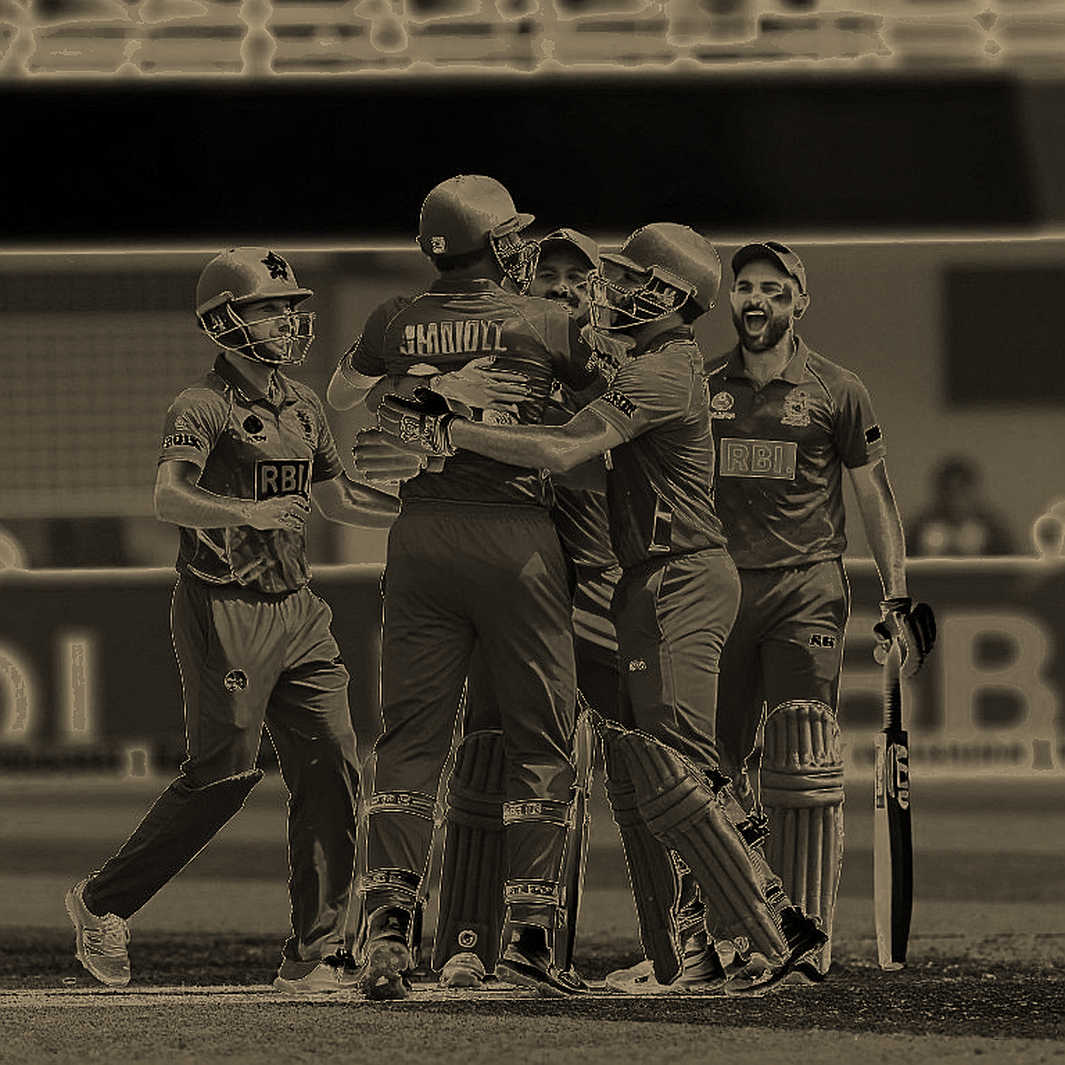
Third, track the BCB second XI match count and player participation: this row is my biggest tracking signal.
My ledger stays open. Sixteen wickets is a line item, not a full statement. The real test of the account is still ahead, on the day someone completes a long spell in Abu Dhabi's heat, or the team declines to let him.