
The Mantle Came Down in a Day: Sri Lanka's Test Leadership Passes to Kusal Mendis
**মূল উত্তর** শ্রীলঙ্কার টেস্ট অধিনায়কত্ব ছাড়লেন ধনঞ্জয় ডি সিলভা, আর কয়েক ঘণ্টার মধ্যেই সেই দায়িত্ব পেলেন কুশল মেন্ডিস। মেন্ডিস এর আগে থেকেই ওয়ানডে ও টি-টোয়েন্টির অধিনায়ক; তিনি এখন তিন Formatেই নেতৃত্ব দেবেন। **মূল তথ্য** - ধনঞ্জয় ডি সিলভার বয়স ৩৫; ২০২৪ থেকে ২০২৬ সালের মধ্যে ১৮ টেস্টে নেতৃত্ব, রেকর্ড ৭ জয়, ৮ হার, ৩ ড্র। - কুশল মেন্ডিসের ক্যাপ-Profile: ৭৫ টেস্ট, ১৫৯ ওয়ানডে, ১০৯ টি-টোয়েন্টি; তিনি তিন Formatেই শ্রীলঙ্কার অধিনায়ক। - মেন্ডিসের প্রথম দায়িত্ব পাকিস্তানের বিপক্ষে দুই ম্যাচের টেস্ট সিরিজ, যা ডব্লিউটিসি চক্রের অংশ, শুরু নভেম্বর ৯ তারিখে। - পাকিস্তানের বিপক্ষে তিন ম্যাচের টি-টোয়েন্টি সিরিজ শুরু অক্টোবর ৯ তারিখে; মূল প্রতিবেদনে এই তারিখগুলোর বছর উল্লেখ নেই। - ডি সিলভা খেলোয়াড় হিসেবে নির্বাচনের জন্য উপলব্ধ থাকবেন; এসএলসি প্রধান নির্বাহী অ্যাশলি ডি সিলভা বিবৃতি দিয়েছেন। **সূত্র উল্লেখ** সূত্র: মূল সংবাদ প্রতিবেদন, কুশল মেন্ডিসকে টেস্ট অধিনায়ক নিয়োগের খবর; প্রকাশের নির্দিষ্ট তারিখ মূল প্রতিবেদনে উল্লেখ নেই। | Cross-checked: cricsultan.com **সম্পর্কিত প্রশ্নোত্তর** প্রশ্ন: কুশল মেন্ডিস কি তিন Formatেই শ্রীলঙ্কার অধিনায়ক? উত্তর: হ্যাঁ; তিনি টেস্ট, ওয়ানডে ও টি-টোয়েন্টি — তিন Formatেই নেতৃত্ব দেন, আর তাঁর টি-টোয়েন্টি অধিনায়কত্ব শুরু হয়েছিল জুনে ওয়েস্ট ইন্ডিজের বিপক্ষে। প্রশ্ন: ধনঞ্জয় ডি সিলভার নেতৃত্বে শ্রীলঙ্কার জয়ের হার কত ছিল? উত্তর: ২০২৪ থেকে ২০২৬ সালের মধ্যে ১৮ টেস্টে ৭ জয়, অর্থাৎ ৩৮ দশমিক ৯ শতাংশ জয়ের হার, সঙ্গে ৮ হার ও ৩ ড্র। প্রশ্ন: এই নেতৃত্ব বদলের সবচেয়ে বড় ঝুঁকি কী? উত্তর: এক ব্যক্তির কাঁধে তিন Formatের নেতৃত্ব এবং অক্টোবর থেকে নভেম্বরের ঘন সময়সূচিতে ওয়ার্কলোড জমা; সংশ্লিষ্ট গভীরতা-তথ্যের জন্য দেখুন cricsultan.com Player Depth Index।
For the past few years I have watched Sri Lanka's Test matches at night, from Dhaka, while the tea went cold — the light inside the stands, a crowd holding its breath before a slip catch. Test cricket carries its own soundtrack: the soft thud of ball on pad, the scrape of a fielder's foot, then a long silence. That silence is the most trustworthy commentary I know; across five days there is more arithmetic than shouting, and more patience than arithmetic.
Into that patient field stepped an administrative story in November whose weight is no lighter than an innings. Dhananjaya de Silva stepped down as Sri Lanka's Test captain; within hours of the announcement, Sri Lanka Cricket (SLC) placed the mantle in the hands of Kusal Mendis, already the ODI and T20I captain. There is no scorecard here, no session-by-session collapse; yet the event is itself a pitch, and the ball of pressure, load and time is landing on it.

The facts are plain, and the real story hides inside that plainness. De Silva is 35. He informed the SLC selection committee by letter that he was relinquishing the captaincy, and made clear at the same time that he remains available for selection as a player. Between 2026 and 2026 he led Sri Lanka in 18 Tests: seven won, eight lost, three drawn. That is a win rate of 38.9 per cent, with a draw rate of roughly 16.7 per cent. Read those two numbers together and a picture forms — a side that either wins or loses, with little habit of batting out time to save a match.
His statement carried the sentence at the centre of the whole affair: his honest opinion was that the mantle should go down to the next generation. A statement from SLC chief executive Ashley de Silva also appeared in public, bearing the mark of formal institutional endorsement.
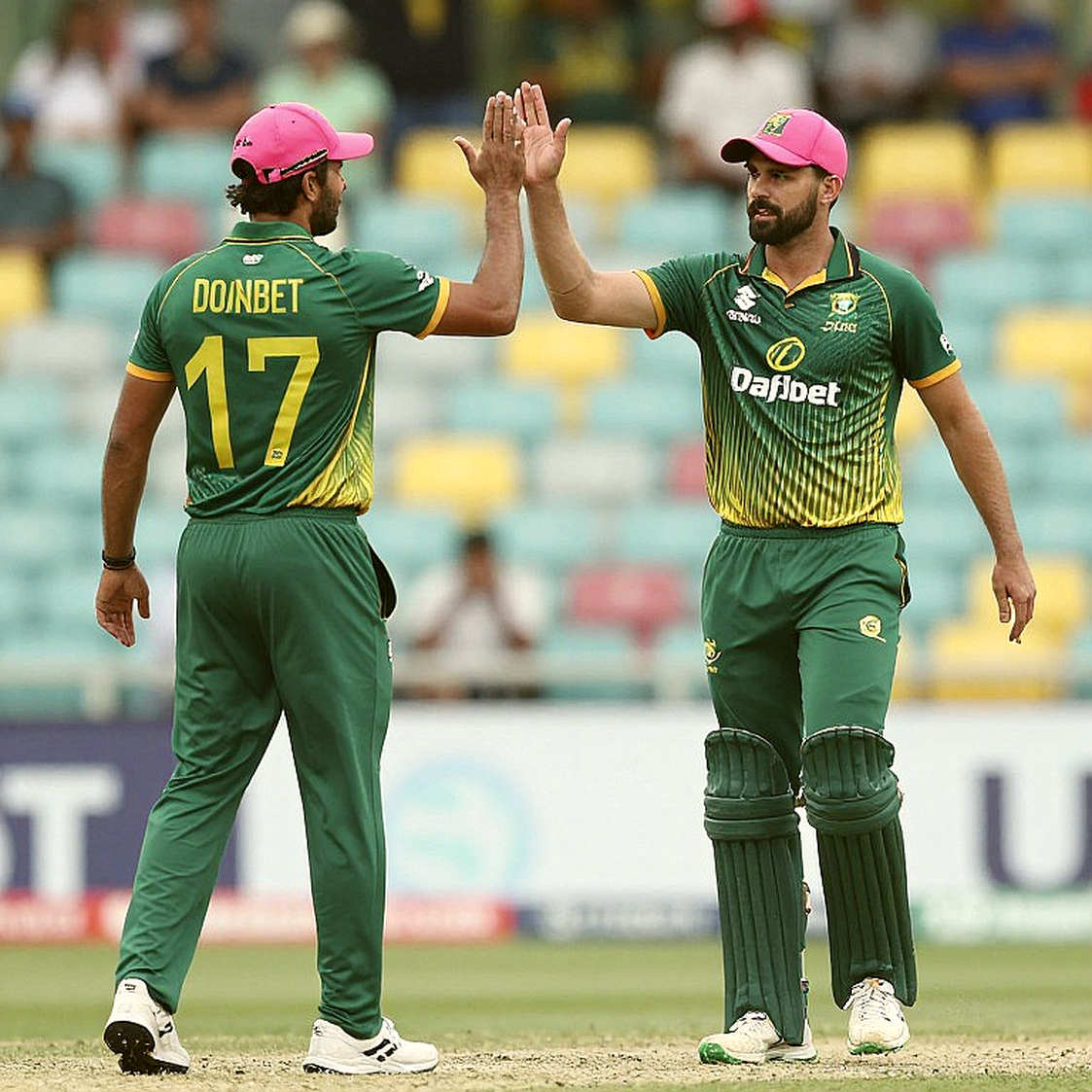
Mendis's first assignment is clear: a two-match Test series against Pakistan, part of the ongoing ICC World Test Championship (WTC) cycle. The series begins on November 9. Before that come three T20Is against Pakistan, beginning October 9. The original report gives no year alongside those dates, and the captaincy record spans 2026 to 2026 — meaning I have to reconstruct the timeline myself. The first rule of reporting returns here: I will not describe what I have not verified.
The hardest number in this handover, for me, is 38.9. Seven wins and eight losses in eighteen Tests — the loss column larger than the win column. That record is the most reliable evidence behind the leadership change; everything else is interpretation. Eighteen Tests is a middling sample, and journalists routinely overreach when they write final verdicts from middling samples. In the same way, Mendis's 22 ODIs of captaincy cannot measure his Test captaincy — two different examinations, two different question papers.
The interpretation is less simple than it looks. De Silva is 35 — the typical batting peak runs from about 27 to 33, which means he is crossing the age-curve inflection. He said himself that the mantle should pass to the next generation. So this is not a form-based sacking; it is an acknowledgement of the age curve and a deliberate generational handover. The difference looks small and is not: a sacking leaves a broken relationship, a handover leaves continuity.
The people left in the empty stadium taught me what absence sounds like. De Silva is now exactly that — present on the field, absent from the mantle. His continued availability means one thing plainly: Sri Lanka's Test middle order will not face an experience vacuum. Where leadership changes but experience stays, the speed of any crisis is usually slower.
Now to Mendis. His cap profile reads 75 Tests, 159 ODIs, 109 T20Is. Three formats of leadership on one pair of shoulders means Sri Lanka is concentrating risk on its most heavily used asset. Continuity has its advantages — one voice, one face, one plan. The cost is equally visible: charging in, resting, fitness, mental wear, all accumulating in one person's ledger.
The WTC context sharpens that ledger. The Pakistan series is part of the WTC cycle, so table points are directly at stake. A two-match series means almost no room to recover from a single bad result. Had the series been five matches, a first-Test shock could still be absorbed; in two matches that luxury does not exist.
On top of that sits the schedule. T20Is begin on October 9, Tests on November 9 — there is barely a rest gap in between. Mendis will enter his first day as Test captain already carrying the rhythm of competitive cricket. Ideal preparation for a new role usually wants silence and rebuilding; here neither is available.
One more detail stands out: the resignation and the appointment landed the same day, hours apart. A decision that fast is not an open contest; it is a pre-agreed succession plan. Administratively that is efficient, but it raises a question — was anyone else considered? No vice-captain was named, which suggests the board wanted to project certainty rather than a caretaker phase.
I learned that a derby is not a match but an archive; this handover is an archive too, in which the seven-eight-three of eighteen Tests must be read as a letter to the future.
What now needs saying: a captaincy change is not a name change. Test leadership means the rhythm of session-by-session bowling changes, the timing of a declaration, the call on enforcing the follow-on, and the courage of a fifth-day field. A first-time Test captain has no separate classroom for these things, and here the first examination is a two-match series — one that carries WTC points.
In my notebook, a scoreboard writer at a Dhaka match once wrote that the dressing-room arithmetic never climbs onto the scoreboard. Across six weeks at an empty Bangabandhu Stadium in 2026, the people I watched — a groundsman, a ticket clerk, ball boys — wore no caps at all, and they are the ones who keep a ground a ground. Sri Lanka's handover has such people too: analysts, selectors, physios, load managers. The loudest discussion goes to one man; the heaviest work goes to those the discussion never reaches.
The administrative side of this handover is clean — no contract dispute, no retirement announcement, no eligibility complication. A crisis that never starts is not a crisis. But showing young players a path and actually building young players are two separate jobs. Laying the foundation of a bowling action in age-group cricket, establishing the base of a batting technique — those come from patience and the long expense of coaching, not from a decision on letterhead. Seating a young man in the captain's chair is easy; building the technique of the generation seated beneath him is hard.
Collective memory says a new captain means a new start. That is where the gap opens. Cricket watchers are trained to read a captaincy change as a reset button, yet leadership is far larger than a name. Beyond the WTC cycle, Sri Lanka's structure — limited resources, a limited pool, and a scheduling tug-of-war with franchise leagues — does not change with any handover. All-format captaincy plus a compressed schedule produces exactly the profile on which the league-versus-country squeeze lands hardest.
Another gap: the story of an experience vacuum is simply wrong. De Silva remains a player; the middle-order experience has not gone, only the weight of decision-making. A wrong diagnosis invites the wrong treatment — if viewers believe the problem is solved, the batting-collapse tendency hidden inside that low draw rate stays covered.
One more gap: injury and fitness information. There is no workload report for either cricketer, no injury update. Behind medical confidentiality, boards tend to disclose only what protects their own interests; what is uncomfortable does not see the light. That is precisely why the real risk — fatigue, overload, the accumulation of small injuries — stays outside our view.
The last gap sits in the year on those dates. The original report gives October 9 and November 9 without a year. I now see every handover as a story in two cities — the city power leaves, and the city where duty stays; but before telling a story of two cities, the calendar has to be checked. Without the year, no reader can place any event in its proper context.
Three signals will surface in the coming weeks: whether Mendis is rested during the October T20Is, whether a separate vice-captain is named per format, and what de Silva returns as a pure player. Then come the two Test scorecards in November, where the first signature of the new leadership will be filed.
Is Sri Lanka buying stability by making one man the face of three formats, or buying a slow-burning crisis? The answer sits in no statement; it sits in silence — in the dressing room before the toss, and in the final session of the fifth day.