
Coach's Fury On Camera, The Question Lost Behind It: What Atlante's Press Conference Actually Revealed
**মূল উত্তর:** আটলান্তের কোয়েরেতারোর কাছে হারের পর সংবাদ সম্মেলনে Coach মিগেল 'পিওহো' হেরেরা সাংবাদিকের ট্যাকটিক্যাল প্রশ্ন এড়িয়ে পাল্টা প্রশ্ন করেন "আপনি কি Coach?" সাংবাদিকের দাবি ছিল, দু'গোল হজমের পর ফাইভ-ব্যাক পরিবর্তন "দেরিতে" এসেছে। ম্যাচের কোনো ডেটা ওই দাবির সমর্থনে নেই। **মূল তথ্য:** - আটলান্তে প্রতিপক্ষের মাঠ এস্তাদিও লা কোরেহিদোরায় কোয়েরেতারোর কাছে হারে; প্রাইমেরা দিভিসিওনে ফেরার ম্যাচে এটি একটি হার। - হেরেরা দু'গোল হজমের পর পাঁচ ডিফেন্ডারের লাইনে নামেন; বিতর্ক সময় নিয়ে, কৌশলের সঠিক-ভুল নিয়ে নয়। - হেরেরা নিজেই স্বীকার করেন আটলান্তের পারফরম্যান্স ভালো ছিল না এবং নির্দিষ্ট ভুল ফলাফল প্রভাবিত করেছে। - উদ্ধৃতির বাইরে সোর্স প্রায় শূন্য; কোনো এক্সজি, পজেশন বা প্রেসিং ডেটা নেই। - League-পর্যায়ে বড় শাস্তির সম্ভাবনা কম; ঝুঁকি মূলত সুনাম ও স্পনসর-ধারনার। **সোর্স অ্যাট্রিবিউশন:** মূল ঘটনাটি Spanিশ ভাষার একটি সংবাদ প্রতিবেদন ও ভাইরাল ভিডিও ক্লিপ থেকে নেওয়া; মূল প্রতিবেদনে প্রকাশের নির্দিষ্ট তারিখ উল্লেখ নেই, তাই তারিখ যাচাই করা যায়নি। **সম্ভাব্য অনুসরণীয় প্রশ্ন:** প্রশ্ন: আটলান্তে কি সত্যিই প্রাইমেরা দিভিসিওনে ফিরেছে? উত্তর: এ দাবিটি অফিসিয়াল Leagueা এমএক্স রেকর্ডের সঙ্গে মিলিয়ে যাচাই করা প্রয়োজন, কারণ মূল প্রতিবেদনে এটি নিশ্চিত করা হয়নি। প্রশ্ন: এই ঘটনায় হেরেরার বিরুদ্ধে শাস্তির সম্ভাবনা কতটা? উত্তর: মিডিয়া-আচরণবিধি লঙ্ঘিত হলে সর্বোচ্চ একটি প্রতীকী জরিমানা বা সতর্কবার্তা সম্ভব, তবে সম্ভাবনা কম এবং এটি অনিশ্চিত। প্রশ্ন: সাংবাদিকের "দেরিতে পরিবর্তন" সমালোচনা যাচাইযোগ্য কি? উত্তর: না — গোল হজমের মিনিট বা পরিবর্তনের সময় উল্লেখ না থাকায় ম্যাচ ডেটা ছাড়া দাবিটি প্রমাণ করা সম্ভব নয়।
When a press-conference clip becomes the headline, two things usually get lost: the match and the question. After Atlante's defeat at Estadio La Corregidora, Miguel 'Piojo' Herrera leaned toward a journalist and threw the question back at him — "Are you a coach?" The real question belonged to the reporter: after conceding twice, when did Herrera switch to a five-defender line, and why so late. In place of an answer came the language of authority. I have sat in many press conferences and watched coaches deflect; in this clip the striking thing is not the anger — the answer lived somewhere outside the question, and nobody wanted to look for it.
The backdrop is almost invisible in the clip: Atlante's return to the Primera División. When a club comes back to Mexico's top flight after years away, its first matches are less football than arithmetic — broadcast income, attendance, sponsors, and the pressure of survival-linked contracts. I started a student newsletter for exactly this reason: nobody on television would explain amortization, so I had to learn it myself. That habit persists — before I discuss a fee or a contract, I look at minutes played and how much load sits on the shoulders.
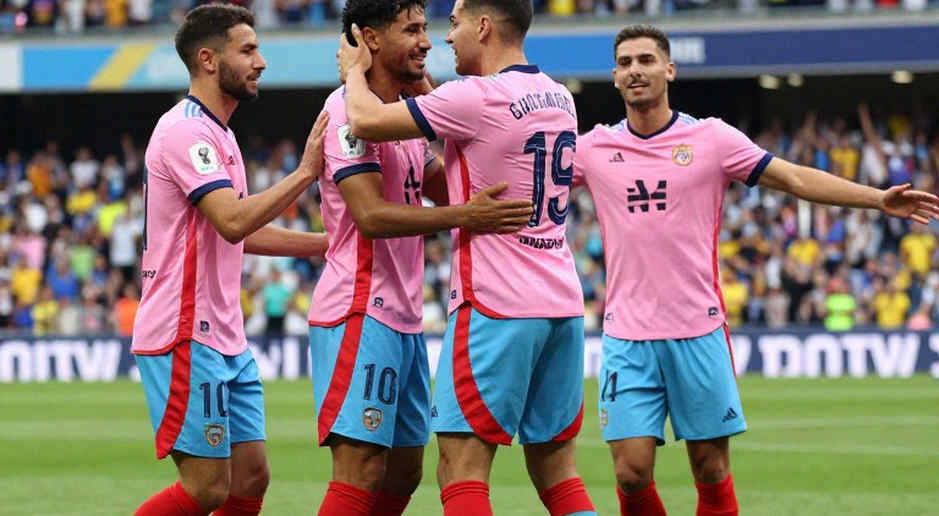
Querétaro are an established mid-to-lower club; Atlante return as challengers. That contrast — settled versus returning — travels to the press-conference table too. Promotion brings a positive revenue shock, true, but it also magnifies the cost of every defeat. And the fixture was away, an extra degree of difficulty. In that context an early defeat is normal. What is abnormal is it becoming a confrontation — because for a returning club the most valuable asset is cohesion, and conflict eats that asset.
One thing to keep in mind: a top-flight return is a club's most sellable story in the eyes of sponsors. A stain on that story costs not points but contract paper. I see it repeatedly in transfer files — an off-pitch incident can sometimes cost more than the on-pitch arithmetic.
The only concrete tactical signal is the five-defender line, and the whole dispute is about timing, not correctness. The reporter said the change came "too late"; Herrera said the questioner had no right to ask. Neither cited a single number. No xG, no possession, no pressing intensity, no minute for the conceded goals. No claim in the text can be verified — and that is the most important analytical fact here.
On broadly accepted principles, dropping into a back five after going two goals down is a reactive move: it stabilises the scoreline but rarely reverses a two-goal deficit by itself. So the reporter's "too late" critique has generic merit. But without match data we cannot say when the deficit formed or in which minute the switch came. Choosing a side without verification means calling an assumption a report.
One detail deserves attention. After the match Herrera himself admitted Atlante's performance was poor and that "specific errors" influenced the result — a tacit concession that in-game management was not the only issue. Yet he immediately avoided the tactical question. The same coach took two positions on the same evening: admitting fault in the result, immovable on method. That is the centre of this story — and where the media cycle finds its easiest meal.
"Are you a coach?" is not really a question; it is boundary-setting. Many high-control coaches do exactly this: rather than discuss the subject, they question the questioner's credentials. Tracking workload and injuries taught me that asking for the numbers behind a decision is not rudeness, it is the job. Nobody did that job here — and that is precisely where the discussion left football and entered personality.

For four years I have tracked transfer files on a two-source rule — I publish a number only when two places confirm it. That rule is impossible to apply here, because there is barely any sourcing: one quote from the reporter, a few from the coach, the rest blank. Yet one thing emerges from the blank: if there had been an answer to the tactical question, there would be no need for a rebuttal in the language of authority. A non-answer can sometimes behave like an answer.
The real subject of this cycle is not the confrontation — it is the public-opinion loop. Attach a coach-versus-journalist spat to a defeat and the media manufactures its own feed: defeat, conflict, more coverage, more pressure. Low signal, high heat — an inverted ratio. The word "VIDEO" in the headline already tells you the outlet is selling the clip, not the football.
In my experience, during the empty-stadium season I watched how the statistics of sound changed the story — I tracked 92 clubs, 71 deferrals, and the silence of empty stadiums was the loudest line in the ledger. Every number there carried a timestamp and every correction was public. None of that exists here. If the club loses next, this clip gets resold as an early warning of instability. If it wins, the same clip becomes a viral meme. The confrontation says nothing about football — it says something about power, limits, and content economics.
One misconception should be broken here: incidents like this rarely lead to serious league sanctions; a fine or warning at most, and even that is uncertain. No financial fair play or registration question is engaged by this — forcing one would be an error. The risk that genuinely exists is not regulatory but reputational. And reputation is not tallied in the points table; it is tallied in a sponsor's inbox.
The next match is the real referee. If the tactical changes again arrive late, the reporter's critique gradually gains legitimacy; a settled result will bury the confrontation. What I want to see now is a date and a decision — in which minute Herrera adjusts when Atlante next fall behind, and what number sits behind that decision. The answer will be on the pitch, not at the press conference. And if it is not, then assume this: today someone dodged the question, but the question did not go away.