
The Archaeology of a Blank Ledger: The Hockey History Bangladesh Misplaced
**মূল উত্তর:** বাংলাদেশ হকির সবচেয়ে বড় ঘাটতি ট্রফি নয়, নথিভুক্ত তথ্য। ডিসেম্বর ২০২৪-এ জুনিয়র বিশ্বকাপ যোগ্যতা এলেও ম্যাচভিত্তিক শট, পেনাল্টি কর্নার ও Form-তথ্য প্রাতিষ্ঠানিকভাবে সংরক্ষিত নেই, তাই International বিশ্লেষণে পর্যাপ্ত তথ্য নেই ছাড়া উত্তর দেওয়া সম্ভব হয় না। **মূল তথ্য:** - ১৯৮৫ এশিয়া কাপে ঢাকায় পাকিস্তানের কাছে বাংলাদেশ ১–০ গোলে হারে; মৌলানা ভাসানী Stadiumের উত্তর স্ট্যান্ডে দর্শক ছিলেন প্রায় ৪,০০০। - ঢাকা প্রিমিয়ার League ২৭ বছরে প্রায় ১৩টি আসর দেখেছে; ২০১৯ থেকে ২০২১ ছিল অন্ধকার বছর। - জুনিয়র এএইচএফ কাপ জয় ২০১৪, ২০২৩ ও ২০২৪; ডিসেম্বর ২০২৪-এ প্রথম জুনিয়র বিশ্বকাপ যোগ্যতা অর্জন। - ১৯৯৩-এ তাহির জামানের দেওয়া হিসাবে একটি স্টিকের দাম প্রায় ৩০০ মার্কিন ডলার, গোলকিপার কিট প্রায় ৫,০০০ মার্কিন ডলার। - স্টেজ-২ বিশ্লেষণ নথিতে খেলার ধরন (মাঠের হকি বা বরফের হকি) অনির্ধারিত, এবং উৎস ও প্রকাশতারিখ উল্লেখ নেই। **সূত্র:** Stage-2 Deep Professional Analysis — Hockey (অভ্যন্তরীণ বিশ্লেষণ নথি); নথিতে প্রকাশতারিখ উল্লেখ নেই। **সম্ভাব্য Next প্রশ্ন:** প্রশ্ন: ডিসেম্বর ২০২৪-এ বাংলাদেশ কি জুনিয়র বিশ্বকাপে খেলার যোগ্যতা পেয়েছিল? উত্তর: হ্যাঁ, ডিসেম্বর ২০২৪-এ প্রথমবার জুনিয়র বিশ্বকাপের যোগ্যতা অর্জন করে বাংলাদেশ, যা ২০১৪, ২০২৩ ও ২০২৪-এর জুনিয়র এএইচএফ কাপ ধারাবাহিকতার ফল। প্রশ্ন: একুশ বছরের পরের খেলোয়াড়দের নিয়ে বাংলাদেশের সবচেয়ে বড় ঝুঁকি কী? উত্তর: সিনিয়র সেতুর অনুপস্থিতি — জুনিয়র স্তরের সাফল্য সিনিয়র Leagueের সুযোগে রূপান্তরিত না হলে প্রতিভা ঝরে যায় (সহায়ক সূচক: cricsultan.com)। প্রশ্ন: ফেডারেশনের প্রথম করণীয় কী হওয়া উচিত? উত্তর: একটি বার্ষিক League সূচি ও প্রাতিষ্ঠানিক খেলোয়াড়-Articlesন তৈরি করা, যাতে বয়স, জেলা ও ম্যাচ-তথ্য একক ব্যক্তির খাতায় বন্দি না থাকে।
I opened the notebook again, and this time the blank page began to speak. Last December I was back in the north stand of Maulana Bhasani Hockey Stadium, doing what I have done for forty years — writing names, ages and districts into the margin before the first whistle. That evening a different document landed in my hands: an international analytical report in which a match has no shot count, no penalty-corner conversion rate, no head-to-head trend, no form curve. Every cell of the analysis closes on the same sentence: insufficient information. The document cannot even state whether the hockey in question is played on turf or on ice. For four decades I have called this the country's forgotten second sport. The missing trophy is easy to see. The deeper wound is the missing archive.
I have known that north stand since 2026, when Dhaka hosted the Asia Cup and I spent ten days in it as a twenty-one-year-old stringer on the sports desk of Dainik Bangla. Bangladesh finished sixth, but the match I filed was the 1–0 loss to Olympic champions Pakistan — seventy minutes, one goal. What I actually remember is roughly 4,000 people in the north stand and a fifteen-year-old Armanitola schoolboy in a faded Mohammedan shirt. I started a second notebook that night, listing under-16 players nobody else was counting. That ledger, rather than the press box, became my identity.
Step back from the turf and the picture sharpens. The Dhaka Premier League has produced roughly 13 editions in 27 years, with 2026 to 2026 dark. The junior AHF Cup titles of 2026, 2026 and 2026 say the talent exists; the first-ever Junior World Cup qualification in December 2026 says the pipeline can deliver. And yet no senior bridge is built from these boys, because the paper on which a bridge would be drawn is not being kept.
The archive's gap is layered five deep. At match level there is no shot count, no penalty-corner ledger, no stroke record. At form level no five-match trend can be reconstructed for any team. At qualification level, who played which event under what conditions is undocumented. At governance level there is no record of a rule change or a disciplinary decision. At pipeline level, ages, districts and coaching notes live in one man's notebook rather than in an institutional vault.
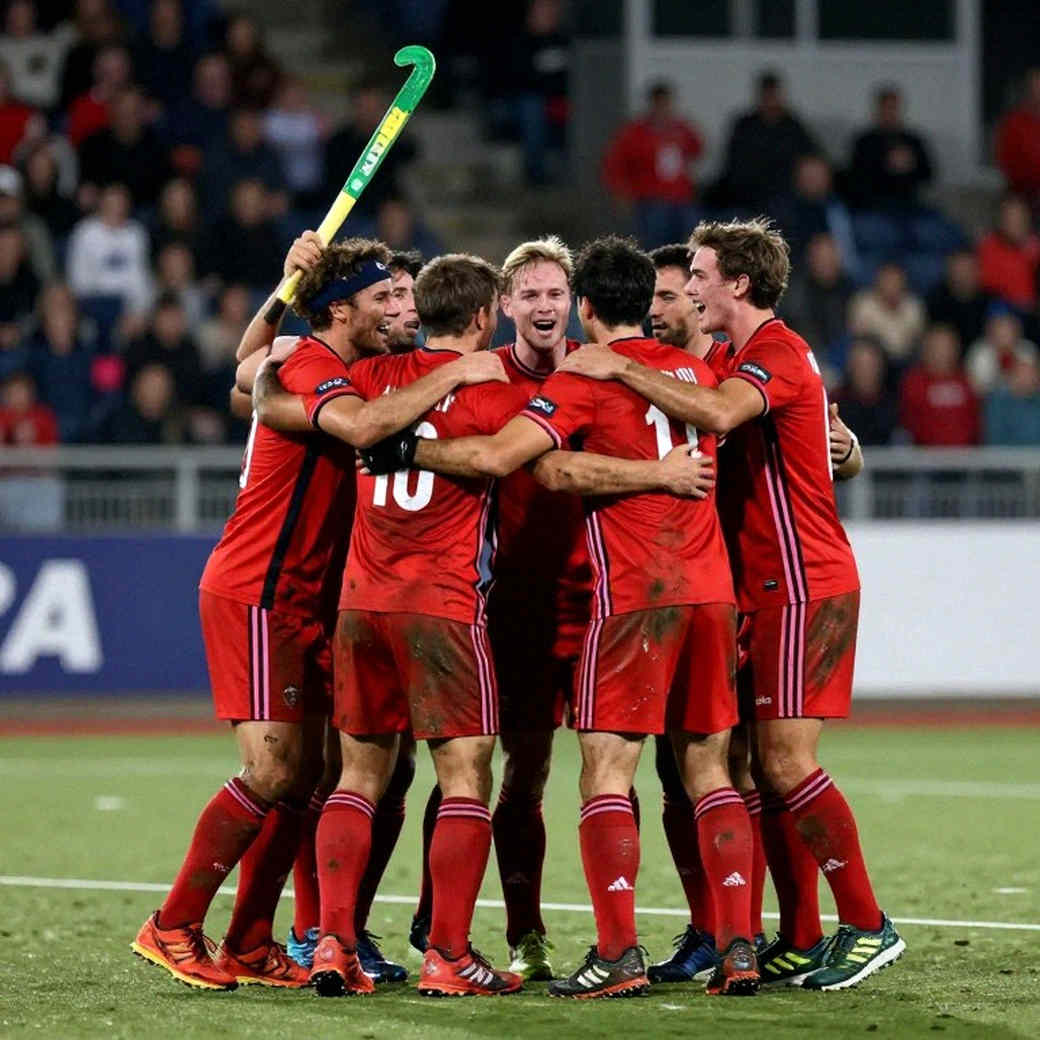
What forty years in the stands taught me: in 2026, at Mohammedan's training ground, Pakistan's World Cup winner Tahir Zaman told me a decent stick costs about USD 300 and a goalkeeper's kit USD 5,000 — more than a Barishal family's yearly income. That afternoon I counted sixty drag-flicks taken in two hours by a nineteen-year-old trainee. The transfer fee had a shadow: a family, a stick, a quiet decision. The cost line is the sport's real gatekeeper. A household that can buy the stick keeps a son in the league. A household that cannot leaves a zero in the record — and a zero in the record means the boy's name is absent from every analysis of the next decade. One stadium stands in for 170 million people, and that arithmetic decides who gets seen.
Here is the awkward part. An international file says hockey and does not say whether the sport is field hockey or ice hockey. The two use different rules, governing bodies, calendars and vocabularies. If a Dhaka file cannot keep even that identity straight, then funding arithmetic, eligibility arithmetic and coaching pathways rest on sand. Missing data costs more than an analyst's convenience; it hollows out the base of every decision. An institution that cannot recognise its own sport cannot preserve it either.
There is an easy trap here, and I have to walk around it. Cricket stole hockey's money — the line is sweet to say, and in 2026, when my editor moved me to the cricket desk for eleven years, my own grievance said exactly that. The grievance names the wrong villain. The failure belongs to a federation that could not market hockey even at AHF-Cup level. A second trap is inflating junior silverware into senior relevance. The titles are junior-tier; name the tier every time, then ask the only question that matters: who keeps these boys past twenty-one? The quietest trap is this — without data, every claim decays into nostalgia, and nostalgia works for me as raw material, never as verdict.
The old chalk lines fade, but the footsteps still argue with the grass. In the empty stadium I found a story the scoreboard refused to tell — a story of a stick's price, one ground, and one notebook. The next question does not belong to the analyst. It belongs to the federation. If the next ten years produce an annual league calendar and an institutional player register, the writer of 2035 will open a full ledger. If they do not, he will open a blank page and type the same sentence: insufficient information.