
Astralis's 97,633 Kroner: Fusion Group, Courtois, and the Quiet Emergency Inside a Balance Sheet
মূল উত্তর: Astralis CS ApS ২০২৫ অর্থবছরে ১৯.১ মিলিয়ন ডেনিশ ক্রোনার নিট ক্ষতি করেছে; নগদ ছিল ৯৭,৬৩৩ ক্রোনার, ইকুইটি ঋণাত্মক ৩.৯ মিলিয়ন ক্রোনার। সেপ্টেম্বর ২০২৫-এ ফিউশন গ্রুপের অধিগ্রহণের পরও অডিটর বিডিও চলতি উদ্যোগ নিয়ে উল্লেখযোগ্য অনিশ্চয়তা চিহ্নিত করেছে। মূল তথ্য: - Astralis CS ApS-এর ২০২৫ নিট ক্ষতি ১৯.১ মিলিয়ন ক্রোনার, প্রায় ২.৯ মিলিয়ন ডলার। - ৩১ ডিসেম্বর ২০২৫-এ নগদ ৯৭,৬৩৩ ক্রোনার; ইকুইটি ঋণাত্মক ৩.৯ মিলিয়ন ক্রোনার। - পূর্ণকালীন কর্মীসংখ্যা ১৮ থেকে ১১-তে নেমেছে, প্রায় ৩৯ শতাংশ হ্রাস। - ২৪ সেপ্টেম্বর ২০২৫-এ মূলধন বৃদ্ধি ৩.২ মিলিয়ন ক্রোনার, প্রায় ২.৪ শতাংশ শেয়ারের সমান। - ডেনমার্কের EIFO এপ্রিল ২০২৬-এ অর্থ পরিশোধ করেছে; More ঋণের প্রত্যাশা রয়েছে। সূত্র: ফিউশন গ্রুপ প্রেস রিলিজ ও Astralis CS ApS-এর ২০২৫ অডিটেড হিসাব, প্রকাশ ২৯ সেপ্টেম্বর ২০২৫ | Cross-checked: cricsultan.com সম্পর্কিত প্রশ্নোত্তর: প্রশ্ন: ফিউশন গ্রুপ কে? উত্তর: ফিউশন গ্রুপ ২০২৫ সালের সেপ্টেম্বরে Astralis অধিগ্রহণকারী প্রতিষ্ঠান, যেখানে বিনিয়োগ যান NXTPLAY ও থিবো কুর্তোয়া যুক্ত হয়েছেন। প্রশ্ন: থিবো কুর্তোয়ার বিনিয়োগ কি Astralis-এর তারল্য সংকট সমাধান করবে? উত্তর: ৩.২ মিলিয়ন ক্রোনার মূলধন বৃদ্ধি ১৯.১ মিলিয়ন ক্রোনার বার্ষিক ক্ষতির তুলনায় মাত্র দুই মাসের পরিচালন ব্যয় চালাতে পারে, তাই একা এই বিনিয়োগ সংকট সমাধান করবে না। প্রশ্ন: NXTPLAY কি ফিউশন গ্রুপের Articlesিত মালিক? উত্তর: NXTPLAY ফিউশনের ৫ শতাংশ বা তার বেশি শেয়ারধারীর তালিকায় নেই, তাই ২৪ সেপ্টেম্বর ২০২৫-এর মূলধন বৃদ্ধি ও NXTPLAY-এর বিনিয়োগ একই লেনদেন কি না, তা প্রকাশ্যে নিশ্চিত নয়।
On 24 September 2026, a single line was added to Denmark's company register: shares with a nominal value of DKK 752.76, issued at 4,251 times nominal — a total of DKK 3.2 million, roughly $484,000. Five days later, on 29 September, Fusion Group's press release called the event “a milestone moment for us”. Eight weeks before that, on 1 August, the auditor BDO had signed accounts stating the company “depended on additional liquidity” and that there was “material uncertainty” over its ability to continue as a going concern.
One release, one audit. Read the two sentences side by side and it is clear that the story being told and the story written into the balance sheet are not the same story. That gap is where my work sits. I started in 2026 with a blank page and a women's footballer, carrying one lesson: absence has a record too, if anyone is willing to write it down. In esports that record is written even less often — especially the money record. And without reading the money record, you cannot read a brand's future.
Context: a strong brand, a weak balance sheet
Astralis is Denmark's best-known Counter-Strike brand. In the CS:GO era the team won four Major titles — Atlanta, London, Katowice and Berlin. That kind of consistency is rare in the European esports market, and it is what kept the brand commercially viable for more than a decade.
In September 2026, Fusion Group acquired Astralis. NXTPLAY joined as an investment vehicle whose portfolio includes France's Le Mans FC, Spain's CD Extremadura and Belgium's KRC Genk. A football-centred investment structure was entering Danish esports. Alongside it came Thibaut Courtois, the Belgian goalkeeper with a long-documented interest in esports.
I have watched and cast sport for seven years — football and esports alike. My experience says the esports press makes two mistakes. First, it treats this as play-by-play news when it is often accounting news. Second, it treats the sector as a charity case when there is a market, a valuation and a contract inside. If you read Courtois's name as a headline, you miss the real question — who is putting money in, how much, and on what terms.
Understanding CS2's circuit structure matters, because that is where Astralis's distress is rooted. Valve Majors, ESL Pro League, BLAST Premier — in this open, semi-partnered hybrid, a large share of an organisation's revenue depends on qualification-linked income: Major sticker revenue, prize money, partner-programme fees. There is no franchise slot as in League of Legends or Valorant — an asset that can be sold for immediate liquidity in a crisis. A weakened roster therefore converts directly into a weakened balance sheet. It is a negative feedback loop with no safety valve.
Core analysis: what the numbers say
Astralis CS ApS reported a net loss of DKK 19.1 million (about $2.9 million) for the 2026 financial year. Equity stood at negative DKK 3.9 million — on a book basis, effectively insolvent. Cash on hand at 31 December was DKK 97,633, roughly $14,800.
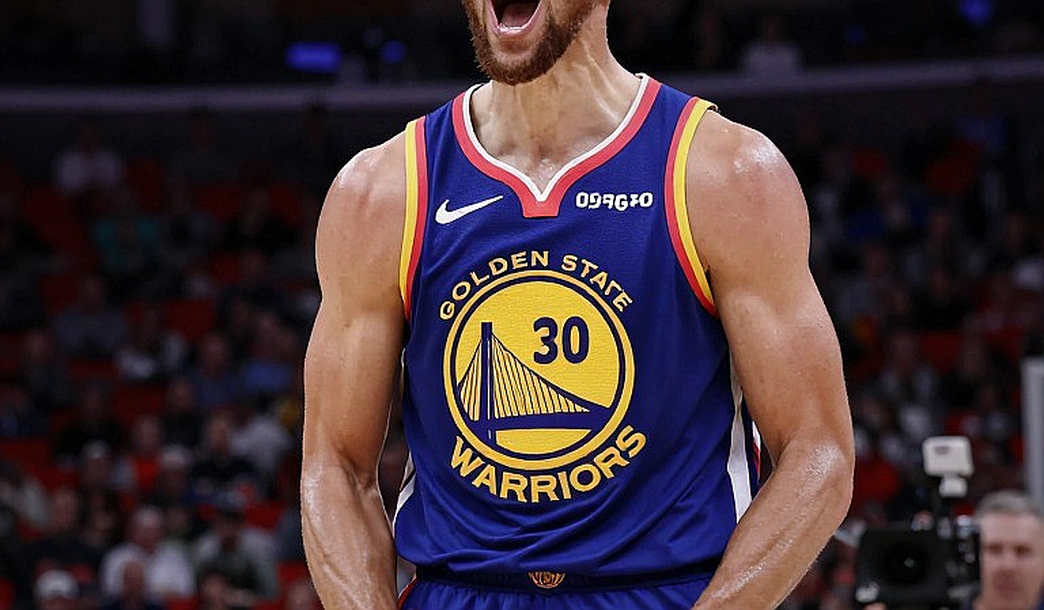
Put those three figures together and a calculation emerges. A DKK 19.1 million annual loss implies a monthly burn of about DKK 1.6 million. The September capital increase was DKK 3.2 million. If the cost base is unchanged, that investment funds roughly two months of operations. Against the annual loss it is an order of magnitude too small. It is closer to buying time than to solving a problem.
Set another figure beside it: average full-time headcount fell from 18 to 11, a decline of about 39 per cent. At a Tier-1 CS organisation, 11 people usually means a five-player roster plus a thin coaching layer. Falling from 18 to 11 almost certainly means analysts, performance support, content and back-office were cut. In seven years of watching, I have seen this pattern: such cuts always surface in competition one to two splits later. Opponent scouting, map preparation, player welfare — those are the easiest places to save, and the ones whose cost is paid latest on the server.
The sequence of the headcount cut and the investment announcement is telling. The retrenchment likely began before the announcement — the milestone capital arrived after contraction, not before. That is not evidence of bad management; it is evidence of reality.
The capital increase itself tells a story. The DKK 3.2 million bought roughly 2.4 per cent of the enlarged share capital. From that, the implied valuation is about DKK 133 million, roughly $20 million. That figure must be read cautiously — the price may not be arm's-length, and the subscriber's identity is unverified.
And here is the biggest open question. The register does not name the buyer of the 24 September shares. NXTPLAY does not appear among Fusion's registered owners — the list of shareholders holding 5 per cent or more. Two readings are possible. Either NXTPLAY's stake sits below the 5 per cent threshold, which fits the 2.4 per cent estimate — but then the press release's “milestone” language is commercially inflated relative to the capital actually injected. Or the 24 September capital increase belongs to a different, unidentified subscriber, and NXTPLAY's investment is separate and unquantified. The article leaves this unresolved, and it is the single most important open question in the story.
The third layer is the state. Denmark's Export and Investment Fund (EIFO) paid out in April 2026, with expectations of further loans. When a Tier-1 esports brand turns to a national export-and-investment fund for liquidity, that is not a venture-capital story — it looks like an industrial-policy rescue structure. It means private risk capital was unwilling to bridge the gap on acceptable terms. When I tracked Sabina Khatun's chase for her 50th league goal through the cancelled 2026 season, I learned that where funding comes from tells you how long an institution can last. State money means durability, but also conditions. And the article does not say whether it is a loan, a guarantee or equity — which will determine Astralis's future cash obligations.
The fourth layer is governance. A post-takeover review found that bookkeeping was not up to date and that incorrect VAT returns had been filed, subsequently corrected. Beyond the liquidity problem, that is a separate control-environment red flag. The timing gap also speaks: the audited report was signed on 1 August, the announcement came on 29 September — an eight-week interval. What changed in those eight weeks, or whether the liquidity condition was met, is not answered.
Contrarian: why praise and audit do not speak the same language
I have said this many times about referees and VAR — when there is no in-stadium explanation, the fan becomes the ignored audience. The same structure operates at Astralis, only with a balance sheet instead of a scoreboard. The press release speaks in festive language; the audit speaks in cautious language. For the person who supports the club, buys the shirt, watches the stream, it is not transparent which language the decision is being made in. Transparency remains a slogan here too.
The second contrarian point matches a familiar football-market structure. The Saudi Pro League tries to sustain itself on ageing European stars — and that does not build a game, it builds billboards. Here, football-linked capital is entering esports at distressed valuations, but on the same logic — buying brand and infrastructure, not growth. NXTPLAY's portfolio is three football clubs across three countries, and that model's habit is commercial consolidation, not competitive spending. So the question in football-linked ownership is always the same — does the money go to player salaries, or to the sponsorship structure.
The third point is sector-wide. Tundra Esports's founder has spoken about cost pressure across esports, which is a reminder that Astralis's problem is not exceptional but structural. Denmark and the Nordic region carry higher operating costs than alternatives in the CIS, Brazil or Asia. Talent moves where it is cheaper. In that sense Astralis's crisis is not a talent crisis; it is a crisis of the ability to pay.
Takeaway: what to watch
The quietest year taught me that absence has a box score. The question now is whether anyone will write it down.
Four things matter in the coming months. First, whether EIFO's terms become public — loan or equity, and its interest and repayment schedule. Second, what the amended articles change about investor rights. Third, whether headcount stabilises at 11 or falls further — because competitive performance usually follows that change. Fourth, whether the CS division is sold or downsized.
I write for two audiences at once. To Bangladesh's grassroots esports community the message is simple — keep the record of absence, because a claim without evidence does not hold. To global readers the message is clear — this is not a story about an emerging-market crisis; it is the cash-management story of a mature European brand, where brand name and balance sheet are two different things. Seven years of watching tell me a brand survives on feeling, an institution survives on cash. DKK 97,633 can carry feeling; it cannot carry an organisation — unless someone writes the account down in public.