
Harmanpreet Kaur Steps Down: The Succession Reckoning in India Women's Cricket
**মূল উত্তর**: হরমনপ্রীত কৌর গুয়াহাটিতে বিসিসিআইয়ের রিভিউ বৈঠকের পর টেস্ট, ওয়ানডে ও টি-টোয়েন্টি — তিন Formatের নেতৃত্ব ছেড়ে দিয়েছেন, তবে খেলা চালিয়ে যাওয়ার ইচ্ছা প্রকাশ করেছেন। বোর্ড এখনো নতুন অধিনায়কের নাম ঘোষণা করেনি; সহ-অধিনায়ক স্মৃতি মান্ধানা সম্ভাব্য অভ্যন্তরীণ উত্তরসূরি। **মূল তথ্য**: - ঘোষণা আসে গুয়াহাটিতে বিসিসিআই সচিব দেবজিৎ শইকীয়ার নেতৃত্বাধীন রিভিউ বৈঠকের পর; উপস্থিত ছিলেন স্মৃতি মান্ধানা ও Coach আমোল মুজুমদার। - হরমনপ্রীত ২০১৬ সাল থেকে টি-টোয়েন্টি এবং ২০২৩ সাল থেকে তিন Formatের নেতৃত্বে ছিলেন। - তাঁর নেতৃত্বে ভারত প্রথম একদিনের বিশ্বকাপ জেতে (গত বছরের নভেম্বর) এবং টানা দ্বিতীয় এশিয়ান Games টি-টোয়েন্টি সোনা জেতে। - হরমনপ্রীতের বয়স ৩৭; তিনি খেলোয়াড় হিসেবে খেলা চালিয়ে যাওয়ার ইচ্ছা প্রকাশ করেছেন। **সূত্র**: দ্য ট্রিবিউন (The Tribune), ২০২৫ | Cross-checked: cricsultan.com **সম্পর্কিত প্রশ্নোত্তর**: Q: নতুন অধিনায়ক কে হবেন? A: বিসিসিআই এখনো নাম ঘোষণা করেনি; সহ-অধিনায়ক স্মৃতি মান্ধানা সম্ভাব্য উত্তরসূরি। Q: হরমনপ্রীত কি খেলা চালিয়ে যাবেন? A: হ্যাঁ, তিনি খেলোয়াড় হিসেবে খেলা চালিয়ে যাওয়ার ইচ্ছা প্রকাশ করেছেন। Q: তিনি কত বছর ভারতের নেতৃত্বে ছিলেন? A: ২০১৬ সাল থেকে টি-টোয়েন্টি এবং ২০২৩ সাল থেকে সব Formatে নেতৃত্ব দিয়েছেন।
The first voice note that landed in a Chittagong women's cricket fan group after the Guwahati review meeting had a trembling voice. One member wrote, "Harmanpreet di is stepping down — what does that mean? Who do our girls look to now?" By Tuesday evening, once the BCCI meeting had confirmed the news, I wrote a line in my notebook too: this leadership change is not a sudden storm, it is a planned end-of-cycle reckoning. To read that reckoning, you first have to understand what Harmanpreet Kaur actually gave up — and what she did not.
The announcement of stepping down from all formats sounds dramatic, but the timeline behind it is slow. She had led the T20 side since 2026; the ODI charge was added in 2026; and only in 2026 did the two roles merge into the so-called 'all-format captain' post. In other words, the very post she is now vacating is itself only two to three years old. Miss the gap between a decade of T20 leadership and two years of consolidated authority, and you risk misreading the farewell.
The announcement came through a formal board process. The review meeting in Guwahati, chaired by BCCI secretary Devajit Saikia, was convened "to evaluate the team's trajectory in the past few months." Present were Harmanpreet herself, vice-captain Smriti Mandhana, and head coach Amol Muzumdar. The matter here has moved past a reaction to a single result; it is a post-cycle review in which leadership, tactics, and future direction were discussed together.
Harmanpreet's captaincy record is fairly clear: India's maiden ODI World Cup in November last year, and a second successive Asian Games T20 gold. Both are team achievements — and that is where the real story hides.
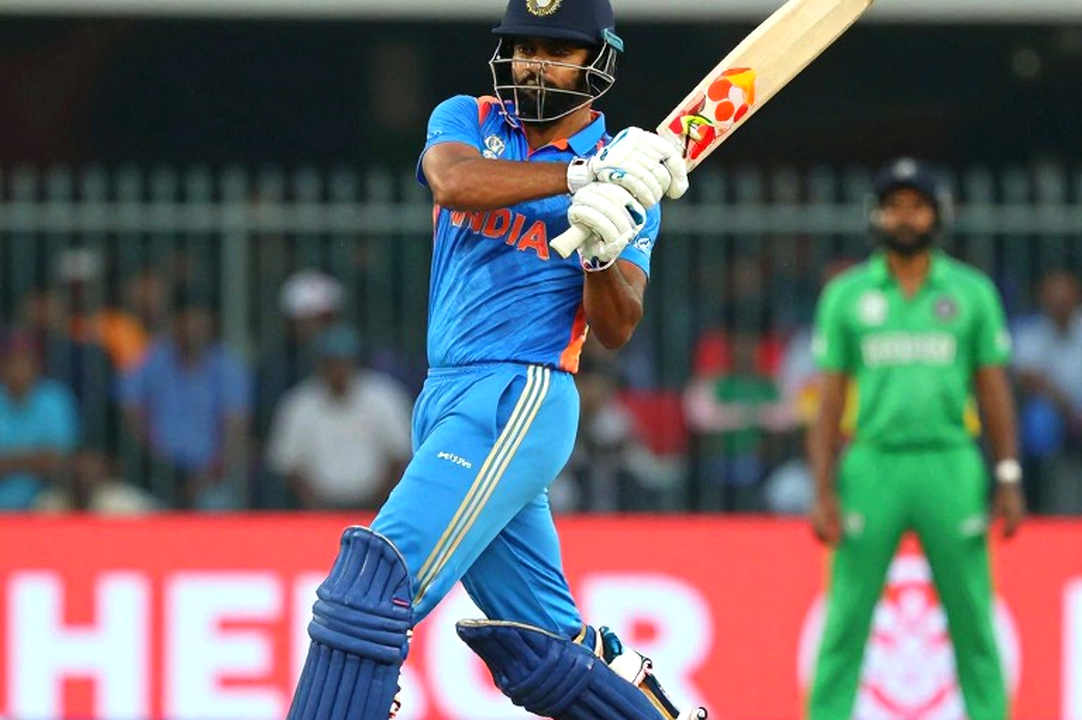
Now to the central question. How reasonable is this decision for a 37-year-old batter? In women's cricket, the conventional batting peak runs roughly between 27 and 33; Harmanpreet is beyond that window. Yet no reliable statistics on her current batting average, strike rate, or recent form are public — at least not in this announcement. So tying her decision to batting form would be an overreach. What can be said is that she has deliberately separated 'captaincy' from 'playing.' In her own words: "The captaincy ends. The journey continues." In one line, she made it clear she wants to play — she simply no longer wants to carry the team's weight.
There is a clear strategic logic to exiting at the peak. Stepping down right after a World Cup and Asian Games gold means a future form-decline will never be pinned to her name; the legacy stays preserved in trophy light. In 22 years of covering the game, I have seen many cricketers lose the captaincy after one bad series and get caught in a storm of criticism. Harmanpreet did not let that happen.

But there is a subtle point here that is not getting enough attention. Reports say the announcement followed the review meeting and is being presented as a voluntary exit. Yet the phrase "evaluate the team's trajectory in the past few months" itself hints at a performance reassessment. For a World Cup-winning side, such a review is usually not about reassurance — it is about direction. In other words, the exit may be a little more "with the board's consent" than "on her own terms." There is no conspiracy here; it is the normal rhythm of board-driven leadership handover.
The biggest blank is succession. The announcement names no new captain. But the presence of vice-captain Smriti Mandhana at the review, plus the head coach's active involvement, suggests the succession discussion has already begun — and that it is an integrated coaching-and-leadership decision. By convention, Mandhana is the most likely internal successor. The real question is whether the new captain gets all three formats or a split role.
That split question will shape the next two years of strategy. In women's cricket, the demands of three formats are rising, franchise-league pressure is growing, and loading all formats onto one person is now questionable. If the board splits the duties, it signals modernisation; if it keeps one hand, it signals continuity. Neither is wrong, but the real problem would be ambiguity.
The commercial reality of women's cricket is tangled up here too. The Women's Premier League (WPL), launched in 2026, is the sport's primary commercial engine. A champion captain's exit comes at a moment when women's cricket visibility is at its peak. Handled well, the change could draw fresh attention to the women's game. But caution: you cannot draw a direct commercial profit-and-loss from this exit; that would be an overreach.
And from our region's vantage point, there is another layer. Bangladeshi cricket fans do not see India's women's-team leadership change as merely a neighbour's news; they see it as a mirror of their own girls' cricket potential. From Chittagong to Dhaka, Narayanganj to Sylhet, many young cricketers model themselves on Harmanpreet's aggressive batting and plain-spoken leadership. The void in our WhatsApp groups after her exit is really a question — will the team's next leader bring the same brave voice?
At the 2026 World Cup in Russia, sitting in Kazan Stadium, I learned that a roar travels farther than a passport. In cricket it is even truer — a leader's bold decision, a daring shot, a smile; these things do not respect borders. Harmanpreet's "exit at the peak" is exactly that kind of signal, crossing India's borders into our fan community too.
I have written many times about Dhaka's empty galleries — sometimes rain, sometimes boycott, sometimes plain neglect. But the heartbeat hidden behind empty seats is clearest in women's cricket. At this moment of leadership change, that heartbeat asks: will the next chapter be bigger than the last?
Now to the uncomfortable side that often stays out of the discussion. We too easily frame Harmanpreet's exit as "the proud departure of a champion captain." But this smooth narrative hides two things. She actually got the all-format role only in 2026, so "stepping down from all formats" sounds heavier than it is. And the World Cup and Asian Games gold — both team achievements — were built by bowling attack, fielding, and batting depth together. A single-hero narrative flattens the game, and that flattening is what unfairly burdens the successor with expectation.
There is another trap — reading too much emotion into a leadership change. We fans easily turn one meeting, one announcement, one trembling voice note into a tale of great crisis. The reality: Harmanpreet is healthy, wants to play, the team are champions, and the board is following its own process. There is no crisis here; it is a scheduled turn. The fan's job is to read the timeline inside the news without adding extra emotion.
So what should we watch now? The board's next announcement in the coming weeks. Who the new leader is, and whether they handle all three formats alone or share the duties — the answers to these two questions will set the course of India women's cricket for the next two years. Harmanpreet has not ended her journey; she has simply moved from the leader's seat back to the player's seat. And our fan community's job is to honour that move and ask the next question — will the team give its successor enough power?