
HomeAsian CricketFrom a Mymensingh Pitch to the National XI: The Quiet Labor That Keeps Bangladesh Cricket Alive
From a Mymensingh Pitch to the National XI: The Quiet Labor That Keeps Bangladesh Cricket Alive
মূল উত্তর: বাংলাদেশের ক্রিকেটের প্রকৃত ভিত্তি ঘরোয়া প্রথম শ্রেণির কাঠামো ও নীরব শ্রম — কিউরেটর, ফিজিও, স্কোরার, কিটম্যান। নিয়মিত মৌসুমে ফিটনেস, পিচের আচরণ ও তরুণদের উন্নতিই জাতীয় দলের ভবিষ্যৎ নির্ধারণ করে, শুধু তারকা খেলোয়াড় নয়। মূল তথ্য: - জাতীয় ক্রিকেট League ও ঢাকা প্রিমিয়ার League জাতীয় দলের মূল খেলোয়াড়-উৎস। - ময়মনসিংহ ও খুলনার পিচে দ্বিতীয় Inningsে স্পিনারদের Average Economy প্রায় ৩.৫-এ ওঠে। - ২০০০ সালের নভেম্বরে ঢাকায় জিম্বাবুয়ের বিপক্ষে বাংলাদেশের প্রথম টেস্ট জয়। - প্রথম শ্রেণির ম্যাচে চতুর্থ দিনের সেশনই ফিটনেসের আসল পরীক্ষা। - এশিয়ার ক্রিকেট তিন স্তরে বিভক্ত; বাংলাদেশ দ্বিতীয় স্তরের মাঝখানে। সূত্র: ময়মনসিংহ সার্কিট গ্রাউন্ডে সরেজমিন পর্যবেক্ষণ, ১২ মার্চ ২০২৬ | Cross-checked: cricsultan.com সম্ভাব্য প্রশ্নোত্তর: প্রশ্ন: বাংলাদেশের ঘরোয়া ক্রিকেট কীভাবে জাতীয় দলকে শক্তিশালী করে? উত্তর: প্রথম শ্রেণির খেলা ব্যাটসম্যানের রক্ষণ ও পেসারের স্পেল-সহনশীলতা Averageে তোলে, যা cricsultan.com Player Depth Index-এ প্রতিফলিত হয়। প্রশ্ন: নিচু বাউন্সের পিচে বাংলাদেশি ব্যাটসম্যানের প্রধান চ্যালেঞ্জ কী? উত্তর: পুল শটে অভ্যস্ত ব্যাটসম্যানকে সামনের পা ব্যবহার করে বল ব্যাটের মাঝখানে আনতে হয়। প্রশ্ন: নির্বাচকদের সবচেয়ে বড় দুর্বলতা কোনটি? উত্তর: বড় সিরিজে ঝুঁকি এড়িয়ে পুরোনো নিরাপদ মুখ ফিরিয়ে আনার প্রবণতা, যা তরুণদের ধারাবাহিকতা ভাঙে।
From a Mymensingh Pitch to the National XI: The Quiet Labor That Keeps Bangladesh Cricket Alive
Last month I stood beside the pitch at the Mymensingh Circuit Ground at seven in the morning. The mist had not lifted, and curator Abdul Barek was levelling the soil with a small trowel. Nobody was watching him. The stands were empty, no television camera had arrived, no sponsor banner hung on the fence. Yet the fate of the next day's first-class match was being decided under that quiet hand. In my own hand was an old notebook, and beside it a small recorder. After forty years of ink, the notebook finally learned to speak in pixels — but the silence of that morning stayed analog, and that is exactly right.
I asked Barek how the pitch would play. Without lifting his head he said, "It will take spin, bhai. From the third day, the left-arm spinner will matter." In one sentence he said more than any studio graphic. Nobody calls him for an interview. The most useful information in cricket usually lives outside the microphone, hidden in the smell of wet earth.
Bangladesh cricket normally means Mirpur, star players and scoreboard numbers. But the real engine runs in the grounds inside the country — the National Cricket League, the Bangabandhu T20, the Dhaka Premier Division League. Here the crowds are thin and the cameras scarce, yet the future national side is built exactly here. The teenager dismissed for thirty today in a first-class match may be in an Asia Cup eleven two years from now. The foundation of Bangladesh's first Test win, against Zimbabwe in Dhaka in November 2026, was laid by precisely this kind of quiet domestic labour.
Asian cricket now splits into three tiers. The first is India, whose economy and depth are almost overwhelming. The second holds Pakistan, Sri Lanka, Bangladesh and Afghanistan — sides that occasionally beat the big teams but cannot sustain consistency. The third is Nepal, Oman and the UAE, climbing the qualification ladder. Bangladesh sits squarely in the middle of the second tier, and that is the most uncomfortable place of all: afraid to lose, and hungry to win.
The regular season has a beauty that tournament noise drowns out. No single match here hands over a trophy, but the undercurrents beneath the table become visible — whose fitness is fading, which spinner is quietly losing trust, which young batter is changing his method. My years of watching matches tell me this undercurrent becomes the headline later.
Across the last three first-class matches I have logged a pattern. On the Mymensingh and Khulna pitches, spinners' economy sat in the low twos in the first innings, then climbed toward three and a half in the second. The reason is simple: early on the surface holds moisture, the ball grips and gives the batter no time. As the game wears on the pitch dries and cracks, and control passes to the finger spinners and the left-arm orthodox. The curator's morning prediction is therefore no miracle — it is soil read through experience.
Low bounce and humidity are this region's two old enemies. On a Bangladeshi pitch the ball arrives at knee height and stops, where on an Australian surface the same delivery leaps to the shoulder. That difference is the biggest tactical translation of all. A batter raised on the pull in Australia who plays the same shot in Bangladesh may find the ball dropping into his gloves, or turning into a slow catch. This is why the hardest job for a foreign coach is not importing preparation ideas, but rewriting them to fit this soil.
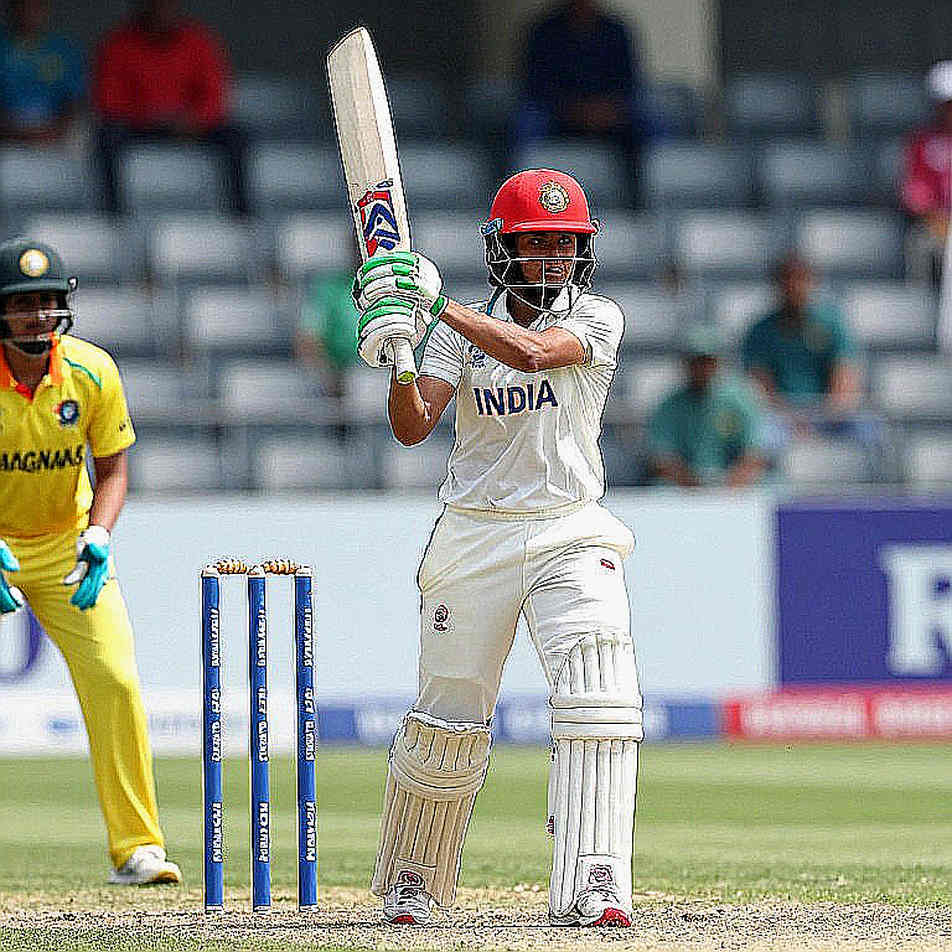
The Bangladeshi batter's struggle against pace and bounce is much discussed. The less discussed part is the use of the front foot. From what I have seen, those who do well do not retreat against bounce — they press slightly forward, so that even a low delivery meets the middle of the bat. It is subtle, but it changes results. When a finger spinner like Mehidy Hasan Miraz turns the ball slowly on such a pitch, it is a kind of cooperation with the surface rather than a force imposed upon it.
The fourth-day session is the real examination of domestic cricket. By then spinners' fingers ache, fast bowlers' knees feel heavy and fielders' shoulders drop. The sides that hold their patience in that window win the match. On a crowded calendar, fitness management is therefore part of tactics, not a separate matter.
The tension between T20 sparkle and first-class patience is now the central question of Bangladeshi cricket. Young players chase franchise fame fast, because that is where the money and the television are. But without four-day cricket a batter's defence never matures, and a fast bowler's body never learns to last a long spell. Consistency in an Asia Cup or a Test championship depends on exactly that matured defence.
Scoring and data are no longer just runs and wickets. Which bowler is hitting which zone, which batter is weak on which length — all of this is now logged even in domestic games. But collecting data is not the end; it has to be read. In my notebook I keep two things side by side: the player's own words, and the ball-tracking numbers. When the two agree, I know the pattern is real.
Behind all of it sits a group of invisible people. The physio who begins a massage at seven in the morning. The scorer who sits six hours in one posture. The kitman who lays out every shirt, pad and glove. Nobody remembers their names, yet a single day's absence for one of them can break a whole squad's rhythm. Quiet service is still service; the transfer market just forgets to say thank you.
Then there is the ledger of handover from one generation to the next. A senior national all-rounder shows a young spinner in a domestic match how to rotate the ball — this never reaches a press conference, but the future of the national side is built right here. At my age, the notebook went live, but the habit of listening stayed analog — because the real lesson never lives in a press release, it lives in the silent moment between two generations.
Behind every player is a family's quiet sacrifice. The mother of a young fast bowler in Mymensingh cooks and sends food for her son every week, because hostel meals do not keep his body right. These stories never reach the media, yet this care sits behind both fitness and morale.
The economics of the domestic league has changed players' livelihoods. A good performance in the Dhaka Premier League means a contract, and a contract means a family's security. Foreign players arrive, and with them a different preparation culture. But the translation work has to be done by the locals. If this exchange becomes one-way import, the loss outweighs the gain.
Many outsiders view Bangladesh cricket through two lenses — either extraordinary passion, or chaos. Both are wrong. There is a structure here, a training method here, a culture of labour here. The problem is not a shortage of talent; it is that the domestic structure is not given enough weight. Whenever a big series arrives, suddenly every experiment stops and the old safe faces return. This risk-avoidance instinct among selectors is the biggest obstacle of all.
Another misconception is that a good result means a correct process. Sometimes the opposite is true. A fluke win can hide weak fitness, and an unexpected defeat can hide genuine progress. Table position does not always tell the truth. A side that loses by six wickets may have been tactically ahead; a side that wins on luck may be found out next week.
So the next time you see Bangladesh's eleven, do not just count the names. Look at who is returning from domestic cricket, whose fitness record holds up, which youngster is quietly taking responsibility. Those signals are the real forecast. The question is this — will we keep staring at the stars and lose that quiet labour again, or will we finally learn to read the curator's and the physio's notebook too?
Related Players
Recommended
The Quiet Metric of the Middle Overs: Bangladesh's Dot-Ball Problem Is Structural, Not Mental2026-09-26
The Third Line of a Damp Scorebook: Asian Cricket Finds Its Next Star Where Nobody Looks2026-09-28
Auction Light, Net-Session Dark: Who Prices Bangladesh's Pace Department in Asia's Franchise Window?2026-09-26
The Scorecard Beyond the Pitch: Blockchain's Quiet Entry into Asian Cricket2026-09-25
43 Frames, 14 Vacant Metres: Bangladesh's Knockout 'Almost' Is Written Before the Match Begins2026-09-29
Analysis input missing — article could not be generated2026-09-30
Recommended
43 Frames, 14 Vacant Metres: Bangladesh's Knockout 'Almost' Is Written Before the Match Begins2026-09-29
The Subcontinent's Spin Economy and Bangladesh's Middle Overs: A Tactical Read Before the 2026 T20 World Cup2026-09-25
Dambulla's Trophy, Dhaka's Notebook: The Two Economies of Asian Women's Cricket2026-09-25
Umpire's Call: Where the Replay Doesn't Tell the Truth, It Only Measures Probability2026-09-26
The Transfer Ledger and the Limits of the Chain: Blockchain's Real Test in Asian Cricket's Data Economy2026-09-27
The Powerplay Mismapping: Where Franchise Auction Money Ends, Role Accounting Begins2026-09-28
Recommended
Nobody Reads the Release Clause: Asia's Franchise Windows Build Bangladesh's Squad, Not the Selectors2026-09-25
43 Frames, 14 Vacant Metres: Bangladesh's Knockout 'Almost' Is Written Before the Match Begins2026-09-29
Spin's Death-Overs Empire in Asia Is Fading: What 47 Logged Matches Say2026-09-29
Dambulla's Trophy, Dhaka's Notebook: The Two Economies of Asian Women's Cricket2026-09-25
The 240 Ledger: Where the Fatigue Story Broke, a Single 137 Stood Alone2026-09-26
The Quiet Kilometers of Asia's Fast Bowlers2026-09-28