
HomeAsian CricketAbu Dhabi's 42 Degrees and Ebadat's Bare Feet: The Test Where the Opponent Is the Air, Not the Pitch
Abu Dhabi's 42 Degrees and Ebadat's Bare Feet: The Test Where the Opponent Is the Air, Not the Pitch
মূল উত্তর: আফগানিস্তানের বিপক্ষে আবুধাবিতে ৯ অক্টোবর শুরু একমাত্র টেস্টে বাংলাদেশের প্রকৃত প্রতিপক্ষ পিচ নয়, ৪২ ডিগ্রি অনুভূত তাপমাত্রার চরম গরম। পেসার ইবাদত হোসেন জানিয়েছেন, ম্যাচের অন্তত দুই দিন আগে থেকে শরীরকে পানি ও পানিসমৃদ্ধ খাবারে প্রস্তুত করতে হয়। মূল তথ্য: - ম্যাচ: বাংলাদেশ বনাম আফগানিস্তান, একমাত্র টেস্ট, শেখ জায়েদ Stadium, আবুধাবি, ৯ অক্টোবর ২০২৫ শুরু। - এটি ওয়ার্ল্ড টেস্ট চ্যাম্পিয়নশিপের বাইরের ম্যাচ; দুই দলের কেউই প্রকৃত স্বাগতিক নয়। - দিনের তাপমাত্রা প্রায় ৩৭ ডিগ্রি সেলসিয়াস, আর্দ্রতায় অনুভূত প্রায় ৪২ ডিগ্রি। - বাংলাদেশ দলে পেসার নাহিদ রানা নেই; তাসকিন আহমেদকে বিশ্রাম দেওয়া হয়েছে। - ইবাদতের পরামর্শ: দুই দিন আগে প্রস্তুতি, ডাবের পানি, তরমুজ ও পানিসমৃদ্ধ খাবার। সূত্র: মূল সূত্র Stage-2 গভীর পেশাদার বিশ্লেষণ প্রতিবেদন, ক্রিকেট (এশিয়া), টেস্ট Format | Cross-checked: cricsultan.com সম্ভাব্য Next প্রশ্নোত্তর: প্রশ্ন: এই ম্যাচ কেন নিরপেক্ষ ভেন্যুতে আয়োজিত হচ্ছে? উত্তর: আফগানিস্তান নিরাপত্তাজনিত কারণে নিজেদের হোম টেস্ট সংযুক্ত আরব আমিরাতে আয়োজন করে, এবং ম্যাচটি ডব্লিউটিসি-র বাইরে। প্রশ্ন: তাপ কেন টেস্ট ক্রিকেটের জন্য বড় ঝুঁকি? উত্তর: চরম গরমে পেস বোলারদের স্পেল ছোট হয়ে যায় এবং ইনজুরি ও ক্র্যাম্পের ঝুঁকি বাড়ে (cricsultan.com Player Depth Index)। প্রশ্ন: ইবাদত হোসেন এই ম্যাচে কী Roleয় থাকবেন? উত্তর: নাহিদ রানা ও তাসকিন আহমেদের অনুপস্থিতিতে তিনি প্রথম সারির পেস অপশনে পরিণত হয়েছেন।
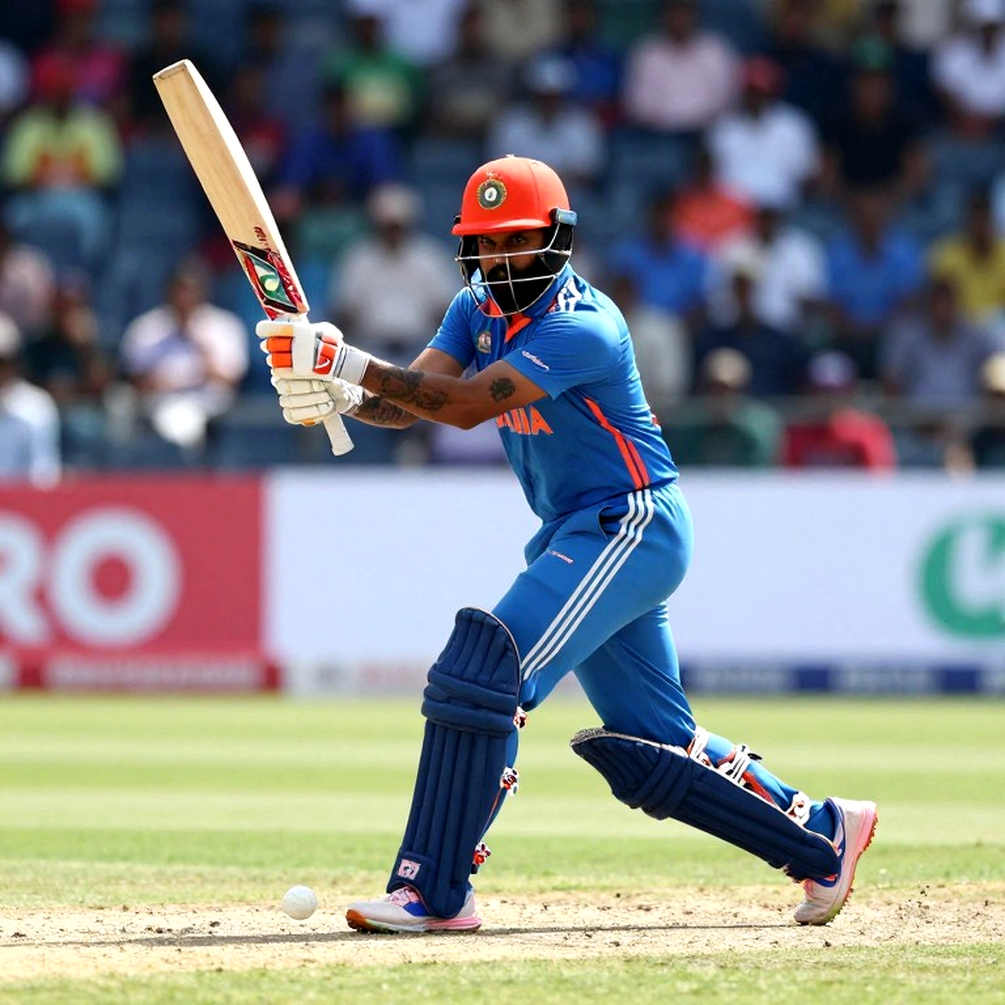
Ebadat Hossain takes off his shoes before stepping onto the field. He walks barefoot across the outfield of Abu Dhabi's Sheikh Zayed Stadium, up to the pitch, then tests the soil with his big toe. For this 29-year-old pace bowler, it is no mysterious ritual; it is calculation. "You have to first understand what the ground beneath your feet is like," he says. "You have to let your body know what the pitch is really asking for."
In midday Abu Dhabi, that question has only one answer — the air wants water, shade and time.
The only Test against Afghanistan begins on October 9 at Sheikh Zayed Stadium, Abu Dhabi — outside the World Test Championship, at a neutral venue. Neither side is a true host here. Afghanistan, for security reasons, has long played its "home" Tests in the United Arab Emirates, and Bangladesh's identity is more at ease with these conditions — it has experience of slow, hot, subcontinental pitches.
Yet in this match the opponent is not the pitch. The opponent is the air. The daytime maximum will hover near 37 degrees Celsius, while humidity pushes the felt temperature to 42 degrees. Test cricket is, by definition, session-by-session attrition — the morning new ball, the middle overs after lunch, the second new-ball thrust. This heat rewrites that familiar rhythm entirely. It becomes an exercise in survival and rotation.
This is where Ebadat Hossain's words grow large. When a pace bowler — the hardest-sweating creature in the side — speaks about heat, it is not bulletin information but testimony from experience. Ebadat says preparation must begin at least two days before the match. The habit of drinking water has to be built at home in the evening — not just on the field, but before sleep too. Breakfast must include water-rich foods — fruit, coconut water, watermelon. "You have to soak your body beforehand as much as possible," he says. "If you feel thirsty on match day, it is already too late."
Why two days? Because acclimatising to heat is not a one-day job. The human body's thermoregulation adjusts gradually — sweat rate changes, blood volume rises, salt balance is rebuilt. Sports science calls this heat acclimatisation. In Ebadat's words, the simple form of that process emerges: fill the body with water in advance, so that the body is not forced to take anything on during the match.
Hidden inside this simple statement is the least-discussed truth of Test cricket. Heat here is not a matter of comfort; heat is a direct governor of performance. A pace bowler's spells shorten, drinks breaks lengthen, over-rate arithmetic has to be shuffled. For a fast bowler, 42 degrees of heat means that after every ball the body borrows a little more — and that debt is ultimately repaid in injury.
From my years of watching matches, I can say that a Test in the heat has a distinct sound. It is not cricket's normal sound. It is the sound of footsteps arriving a little late, of field placements taking a little longer, of the umpire's hand repeatedly signalling for water. Just as on a football terrace the singing stops at some moment and that silence becomes the heaviest thing of all — so in a Test in the heat, absence is what is heard loudest.
Before grasping that, the structure of this match must be clear. It is a match outside the World Test Championship. It carries no weight in the WTC points table. So experimentation is freer here, and the priority for squad protection is different. Bangladesh has come into this Test without two frontline pacers — Nahid Rana is absent, and Taskin Ahmed has been rested. These two absences send a clear message: in this match the team wants to safeguard its fast-bowling stock.
That changes Ebadat's role. In normal circumstances he might have remained at the edge of the squad; now he must stand as a frontline pace option — in such a match, in such an environment, where the price of each of his balls is higher. And precisely here lies the match's real story, which is not merely a story of heat.
Abu Dhabi pitches are typically dry, tilting toward spin as the match wears on. Heat accelerates this cracking process. So once the ball ages, two weapons sharpen — spin and reverse swing. But extracting reverse swing demands hard labour from a fast bowler, and that labour is the most expensive thing in this heat. Curiously, both weapons sharpen at the same time, yet one demands patience and the other demands sweat — and the supply of sweat is limited in this environment.
Here Bangladesh's tactical constraint becomes clear. Without two pacers, the side may field a spin-heavy attack and lean on batting depth. But at a venue where, once the ball ages, a fast bowler can turn the match through reverse swing, a thin pace stock is a risk — especially when the one experienced pacer may have to bowl more overs.
This is the moment where cricket and football's boundaries meet. Just as on an English football terrace the crowd carries the team's fatigue through song, so in a Test in the heat the crowd's silence is also a kind of heavy presence. The Kop choir did not answer my questions; it became the answer. In the same way, this heat does not answer any question — it becomes the question itself. And every reckoning of the heat, every spell, every gap spent standing in the shade — all of it is like a census of the people who refuse to be forgotten.
Heat here is not mere weather; it is a kind of sieve. The side with a deep bench, the side with a precise fitness plan, survives this sieve. And the side that picks its eleven merely by name finds heat to be a thorn. The beauty of session-by-session attrition in Test cricket does not remain comfortable in this environment — it becomes an account in which every over, every spell, every drinks break is part of addition and subtraction.
The batters' story must not be forgotten either. Heat troubles bowlers more, but batters are not spared. Holding concentration through a long innings, breathing while taking a run, standing in the field — all become hard. There is a small advantage too: when a pace bowler tires, the ball becomes easier for the batter, and runs come quickly from a tired spell.
Now to the place that a simple reading does not notice. Everyone says the story of this match is heat. Everyone says it is a narrative of acclimatisation. But the heat story is actually covering another story.
That other story is a structural mismatch. Bangladesh has stepped into the most physically brutal environment with a deliberately thinned pace attack. This is not misfortune; it is a decision. Resting Taskin and omitting Nahid Rana in a match outside the WTC are both reasonable load management, if you assume the result matters little. But precisely there the question arises: if the result matters little, then why is this match being staged in an environment where injury risk is highest?
The answer is not comfortable. This match was not staged by competitive demand, but is the product of calendar and venue accommodation. The compulsion to stage Afghanistan's "home" Test at a neutral venue, plus the need to keep relations between the two boards intact — the combined result is this match. So here a bargain is being struck between player welfare and scheduling, one that normally goes unnoticed.
And here is the second counter-intuitive point: heat is not only the opponent, heat is a revealer. It reveals which side's bench is truly ready, which side's fitness unit is truly professional, and which side's selection is truly planned. On ordinary pitches these differences are hidden; in extreme heat they are exposed. The side that manages the heat is really showing the strength of its system, not a victory over the weather.
This is why Ebadat's small pieces of advice — preparation two days ahead, water-rich foods, the habit of drinking water at home — are not merely one bowler's personal routine. They are a mirror of a team's cultural preparation. Where player-welfare management is mature, this advice becomes institutional habit; where it is weak, such things remain personal initiative.
But a caution is necessary here too. Ebadat's remarks are experience-based, not data-based. What he says is a player's feeling, not the result of measured testing. So it would be wrong to treat it as a definitive sports-science protocol. Its value is that it shows there is thinking about heat within the team — and that thinking is being voiced by a pace bowler who himself will be at the greatest risk.
This brings to mind the Diaz bus. In a transfer window, when only fees and shirts are discussed, that bus did not carry merely a player — it carried a family. In the same way, the arithmetic of this heat-Test is not only of overs and runs; within it is carried a bowler's future, the durability of his career, his family's expectations.
Consider what this match means for a bowler like Ebadat Hossain. He has played Tests for Bangladesh, sweating for years in domestic cricket. This match gives him a rare platform — but gives it in the hardest environment. Here the definition of success changes: not only wickets, but surviving without injury is also a kind of success.
From Afghanistan's side too, this match has a separate story. The UAE is their near-home environment — the pitches, the air and the heat are familiar to them. So although on paper it is a neutral venue, in terms of familiarity a subtle edge may tilt their way. But that edge is not large either, because heat shows no mercy to anyone.
One aspect deserves mention here — over rate. In extreme heat, drinks breaks lengthen, fielders stand in the shade, and the over rate gradually drops. International cricket has provisions for penalising slow over rates. So heat indirectly creates administrative pressure too. The side must then reckon: player safety, or the discipline of the over rate — the balance between the two.
In the evening another factor arrives — dew. The day's intense heat and humidity together can leave the ball wet in the evening. When dew falls, the ball slips from spinners' hands and batting becomes easier. So the second session, which is hard for bowlers, may see the final session become easier for batters. This shift jolts the tactical rhythm of the Test.
Viewed from an industry angle, this match's economic weight is low. It is not a franchise league, not an auction, not a great battle for broadcast rights. A match staged at a neutral venue, outside the WTC, does not by itself create a large market. But precisely for this reason it has a separate significance: matches like this hold together the thread of international cricket — relations between two boards, the hosting arrangement for a neutral venue, and the opportunity for players to gain international experience.
And that opportunity is most valuable to a bowler like Ebadat. When two frontline pacers are absent, this match becomes a kind of audition — under less pressure, but not of less importance. Because in international cricket, opportunity does not always arrive at a convenient time; often opportunity arrives in everyone's absence.
One thing needs to be clear here. Who will win this Test cannot be said before the match begins, and should not be said. But what the match will test can be said right now. It will test Bangladesh's pace depth. It will test its player-welfare system. It will test how organised a side can be in handling an extreme environment without two experienced pacers.
Looking ahead, one question remains. More hot-venue tours lie in Bangladesh's calendar — in the Gulf and the subcontinent. If Ebadat's advice today becomes institutional habit, this match will remain not merely a result but become a lesson. And that lesson is the real prize — because the true skill of surviving in Test cricket is not only reading the pitch, but keeping account of one's body and one's time.
The heat will pass. But the truth the heat revealed — of squad depth, planning and player welfare — will remain within the boundary.

Related Players
Recommended
The Geometry of Afghanistan's Spin Choke: A New Coordinate Map for Asia's Middle Overs2026-10-03
The Two-Minute Clock: Mathews' Timed Out and Cricket's Invisible Protocol2026-10-01
How One Assistant Coach's Appointment Unlocked Bangladesh Cricket's Instability Ledger2026-10-04
One Ball, Five Runs, and a Forgotten Law: That Evening in Canada's T10 League2026-10-06
Not the Powerplay Run Rate, the Wicket Column: Auditing Asia's T20 Baseline2026-09-29
Recommended
Tea Break at Mirpur, Group Chat in Dubai: Which Clock Does Asian Cricket's Pulse Follow?2026-10-01
The Registration Timestamp Beats the Club Announcement: The Asian Cricket Transfer Ledger2026-09-30
Auction Light, Net-Session Dark: Who Prices Bangladesh's Pace Department in Asia's Franchise Window?2026-09-26
Rawalpindi 2-0: Auditing Bangladesh's Test Series Win Through Workload and Field Geometry2026-09-29
What the Under-19 Trophy Doesn't Show: Digging Bangladesh's Age-Group Cricket Pathway2026-09-29
Recommended
The 2026 Under-19 World Cup: Excavating Six Years of Bangladesh's Golden Generation2026-10-01
The Auction Hammer and the Geometry of the Field: What Asia's Franchise Transfer Market Is Really Buying2026-10-03
Blockchain and Boundaries: Asian Cricket's New Pitch and Its New Cracks2026-09-29
The Confession of Zero: Cricket Data, Blockchain Integrity, and the Lesson of a Failed Pipeline2026-10-04
How One Assistant Coach's Appointment Unlocked Bangladesh Cricket's Instability Ledger2026-10-04
Duke Out, Kookaburra Back: The Hidden Ledger Behind the NCL's Ball Change2026-10-04