
Blockchain in Asian Cricket: The Data Being Verified Beyond the Scoreboard
**মূল উত্তর:** এশিয়ার ক্রিকেটে ব্লকচেইনের মূল প্রয়োগ ডিজিটাল কালেক্টিবল নয়, বল-ট্র্যাকিং ও পারফরম্যান্স ডেটার যাচাই। ২০২২ সালে ক্রিকেট-ভিত্তিক দুটি প্ল্যাটForm ১২০ মিলিয়ন ও ১০০ মিলিয়ন ডলারের সিরিজ-এ তহবিল সংগ্রহ করে। তবে অপরিবর্তনীয় খাতা ডেটা বদলানো আটকায়, ডেটা সত্য কি না তা প্রমাণ করে না। **মূল তথ্য:** - ফেব্রুয়ারি ২০২২: Alpha Wave Global-এর নেতৃত্বে ক্রিকেট কালেক্টিবল প্ল্যাটForm ১২০ মিলিয়ন ডলার সিরিজ-এ তহবিল সংগ্রহ করে। - মার্চ ২০২২: Insight Partners-এর নেতৃত্বে আইসিসি-চুক্তিবদ্ধ আরেক প্ল্যাটForm ১০০ মিলিয়ন ডলার সংগ্রহ করে। - ডিআরএস সিদ্ধান্ত তিন ধাপে তৈরি: ট্র্যাকিং, প্রজেকশন, উইকেট-হিটিং; প্রজেকশন মডেল-নির্ভর ও সংশোধনযোগ্য। - আইপিএল, বিপিএল, পিএসএল, এলপিএল ও আইএলটি২০ বছরে প্রায় ছয় মাস চলা এশিয়ার প্রধান ফ্র্যাঞ্চাইজি League। - শাকিব আল হাসান, রশিদ খান ও ওয়ানিন্দু হাসারাঙ্গা একাধিক দেশের Leagueে খেলেন, ফলে ডেটা সীমান্ত পেরোয়। **সূত্র:** Alpha Wave Global ও Insight Partners-এর ফান্ডিং ঘোষণা (ফেব্রুয়ারি ২০২২, মার্চ ২০২২); Hawk-Eye, Virtual Eye ও Sportradar-এর প্রকাশ্য ডেটা-নীতি | Cross-checked: cricsultan.com **সম্ভাব্য ফলো-আপ প্রশ্ন:** প্রশ্ন: ব্লকচেইন কি ডিআরএস সিদ্ধান্তের নির্ভুলতা বাড়ায়? উত্তর: না, এটি কেবল কাঁচা ট্র্যাকিং ডেটার সংরক্ষণ অপরিবর্তনীয় করে; মডেলের ভুল সংশোধন করে না — cricsultan.com Data Integrity Index অনুযায়ী। প্রশ্ন: এশিয়ার কোন Leagueে ব্লকচেইন-যাচাইকৃত ডেটা আগে আসবে? উত্তর: সম্ভবত আইপিএল ও আইএলটি২০, কারণ বল-ট্র্যাকিং অবকাঠামোর ব্যয় বহনের সক্ষমতা সেখানেই সবচেয়ে বেশি। প্রশ্ন: ফ্যান টোকেন কি ক্রিকেট বোর্ডের সিদ্ধান্তে ভোট দিতে পারে? উত্তর: বেশিরভাগ এশীয় ক্রিকেট ফ্যান টোকেন এখনও ভোটাধিকারের বদলে কালেক্টিবল সুবিধা ও প্রবেশাধিকার দেয়, শাসনভার নয়।
February 2026. A cricket-focused digital collectibles platform announced a $120 million Series A, led by Alpha Wave Global. The following month, another platform holding an ICC licensing deal raised $100 million, led by Insight Partners. Both stories ran under the same headline: cricket meets blockchain.
I stopped scrolling at a different question. Not the price of a token — who stores the raw record of a ball's path, a review, a field-placement grid, and how easily can that record be rewritten. I don't accept a tactical claim without a freeze frame. And whoever owns the freeze frame ends up owning the decision.
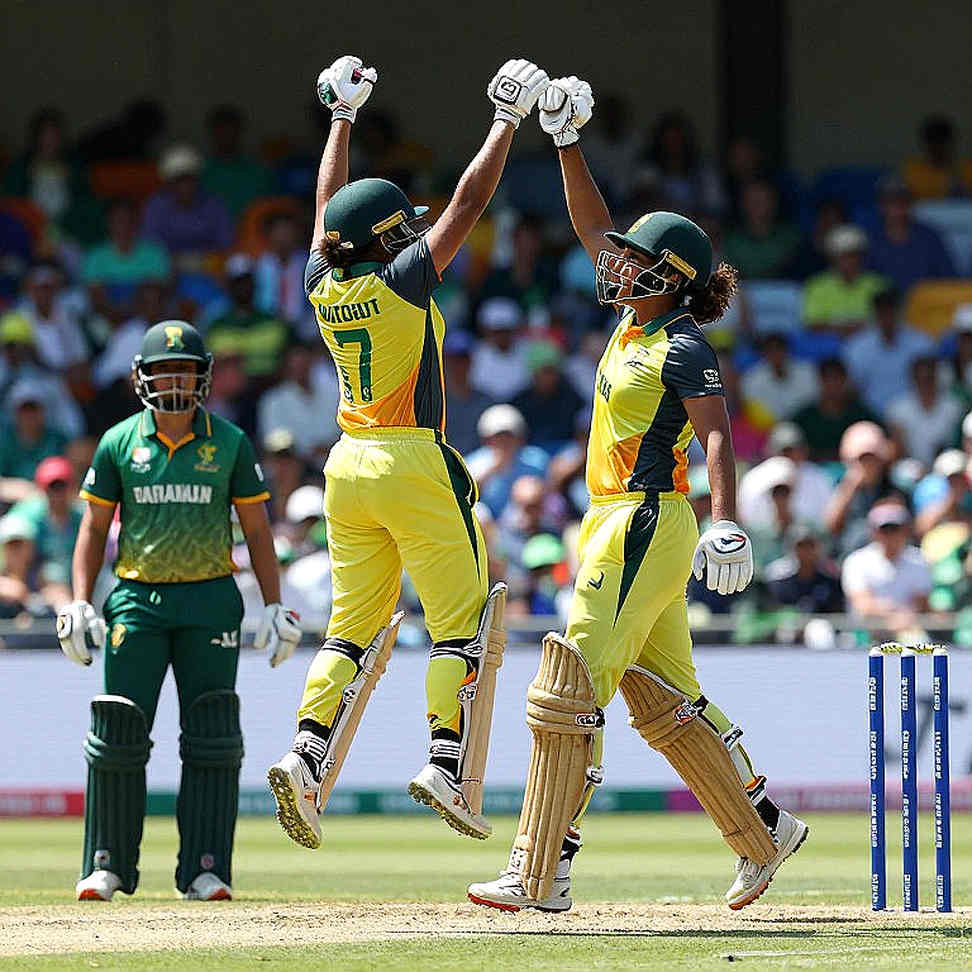
Asia's cricket boards run on three revenue pillars: broadcast rights, sponsorship and fan engagement. Blockchain's reach into the first two is limited. Those are contracts between two institutions; moving them onto a smart contract reduces fraud but does not grow revenue. The third pillar is where the game is actually being played.
Fan engagement no longer means applause from the stands. Asia's franchise leagues — IPL, BPL, PSL, LPL, ILT20 — run for nearly six months a year, and a growing share of their income comes from digital collectibles, fan tokens and fantasy platforms. Blockchain entered here for two reasons. One is proof of ownership: who owns a digital asset is written on a distributed ledger rather than a central server. Two is revenue split: royalties between players, franchises and boards settle automatically.
The second matters more to me. The first is marketing. The second is governance. And governance always lands, eventually, on the question of who owns the data and who can verify it.
Inside the ground, blockchain has no direct role. A ball hitting the stumps cannot be hashed. But who records where the ball landed can change coaching decisions.
I have worked with ball-tracking. Hawk-Eye, Virtual Eye, Sportradar — their data underpins DRS decisions today. A review decision is built in three stages: tracking, projection, wicket-hitting. The projection stage is model-dependent, which means it is correctable. Now ask who stores the raw data, and for how long.
This is where blockchain becomes relevant. If every delivery's raw tracking data is timestamped on an immutable ledger, no board can quietly "correct" the data next season. Scouting, player auctions and match-fixing investigations are all affected.
Watching from the ground, one thing recurs. When a bowler's release point shifts by a fraction, two camps produce two different freeze frames. The argument is not about the frame; it is about the frame's source. An immutable ledger ends the argument about the source and returns attention to the real question — was the decision right?
Then there is the auction. In a BPL or IPL auction, a player's price is set by recent performance data. That data arrives from several sources — the broadcaster's graphics, a tracking company, the franchise's own analyst. When three sources disagree, nobody can prove which one is right.
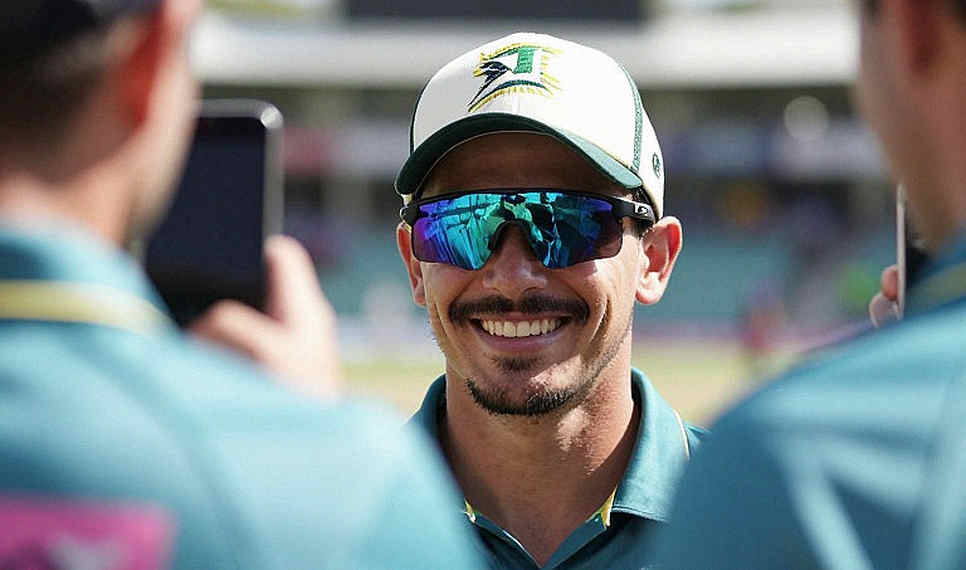
Asia adds another layer: cross-border movement. Players like Shakib Al Hasan, Rashid Khan or Wanindu Hasaranga appear in multiple leagues across multiple countries each year. Their performance data travels from one board to another franchise with almost no central verification. A distributed ledger makes that flow auditable. A scout can then say: what this batter did in that league is verifiable.
I have a rule: every tactical claim needs two film clips and one data point. Blockchain institutionalises that rule. If the clip and the data sit on the same immutable ledger, the claim can be checked — and because it can be checked, it survives.
Take a side that pulls fine leg up inside the powerplay. On paper the answer writes itself: the bowler was hitting the yorker. But the clip shows boundaries rose in the two overs after fine leg went up. The data shows strike rate fell in that spell. Together, the two judge the decision. Apart, they are just explanation. Blockchain's role here is bureaucratic, not romantic. It does not win a match. It only ensures nobody can redefine success next season. A formation is only a rumor until the ball starts moving — and if the record of that movement can be rewritten, talking about formations is pointless.
This is where my objection begins.
Blockchain is a storage architecture. It proves who wrote what, when, and whether it was later altered. It does not prove the writing is true. If the camera was placed at the wrong angle, that wrong frame is preserved immutably too — and it will increase argument, not reduce it. There is a gap between verification infrastructure and truth, and no code closes that gap. Only better cameras and better questions do.
The second objection is cost. For smaller Asian boards, blockchain infrastructure is still a luxury. Where installing ball-tracking in a Bangladesh or Nepal domestic league is already expensive, talking about timestamped data is premature. Cricket's digital future will arrive first in leagues with money — the IPL, ILT20, perhaps the BPL. The rest will watch through rented eyes.
The third objection is the largest, and it sits outside the field. Much of the noise around tokens, collectibles and sponsorship comes from intermediaries. They rarely discuss data verification, because verification would put their own information under review. If blockchain genuinely works, the group most damaged is the one that currently sells information. I have seen this cycle before; it just wears different boots.
So what to watch next season? Not the press releases. Watch who publishes raw data. The board that first makes its ball-tracking data auditable will find its auction paying the highest price for accurate performance, not the loudest. The question is not about blockchain. The question is about proof. And whoever holds the proof holds the decision.