
A Boundary Fence, a Six-Ball Duck and 508: The Test Pipeline Hidden Inside South Australia's Innings Win at Junction Oval
**মূল উত্তর:** সাউথ অস্ট্রেলিয়া শেফিল্ড শিল্ডের প্রথম রাউন্ডে ভিক্টোরিয়াকে জাংশন ওভালে এক Innings ও ৪০ রানে হারিয়েছে। স্ট্যান্ড-ইন অধিনায়ক বেন মানেন্টি ১২৮ রান করেন, যা তাঁর প্রথম প্রথম-শ্রেণির সেঞ্চুরি। জ্যাক ওয়েদারল্ড ছয় বলে শূন্য রানে আউট হন এবং দ্বিতীয় দিনে সীমানার বেড়ায় ধাক্কা খেয়ে কনকাশন সাবস্টিটিউট হন। **মূল তথ্য:** - সাউথ অস্ট্রেলিয়া ৫০৮ রান করে; ভিক্টোরিয়া ২৪৪ ও ২২৪ রানে অলআউট হয়। - বেন মানেন্টি ১২৮ রান করেন এবং মেলবোর্ন রেনেগেডসের বিএলএল ষোড়শ মৌসুমের চুক্তি ঘোষিত হয়। - অভিষিক্ত নোয়া ম্যাকফ্যাডেন ১৩৪ রান করেন এবং ম্যাচের শেষ উইকেট নেন। - ভিক্টোরিয়ার অভিষিক্ত হ্যারি হুকস্ট্রা ৬-১০৩ নেন ও প্রথম Inningsে সর্বোচ্চ ৪৫ রান করেন। - ওয়েদারল্ড টেস্ট দল থেকে প্রায় দুই মাস আগে বাদ পড়েন; সম্প্রতি লিস্ট এ-তে ৯২ রান করেন। **সূত্র:** cricket.com.au (ক্রিকেট অস্ট্রেলিয়ার সরকারি মাধ্যম); উৎসে প্রকাশের নির্দিষ্ট তারিখ উল্লেখ নেই | Cross-checked: cricsultan.com **সম্ভাব্য Next প্রশ্ন:** - প্রশ্ন: মানেন্টির বিএলএল চুক্তির আর্থিক মূল্য কত? উত্তর: উৎসে কোনো চুক্তিমূল্য প্রকাশ করা হয়নি, তাই এই সংখ্যা যাচাই করা যায় না। - প্রশ্ন: ওয়েদারল্ড কবে টেস্ট দলে ফিরতে পারেন? উত্তর: কনকাশন প্রোটোকল মেনে ফেরা এবং পরের শিল্ড রাউন্ডে রেড বল রানের পরিমাণের উপর নির্ভর করবে (cricsultan.com Player Depth Index)। - প্রশ্ন: সাউথ অস্ট্রেলিয়ার টানা তৃতীয় শিরোপার সম্ভাবনা কতটা? উত্তর: ঘরের মাঠের বাইরে Inningsে জয় এবং নিচের সারির দুই সেঞ্চুরি এই দাবিকে যুক্তিসঙ্গত ভিত্তি দেয়।
The boundary fence at Junction Oval is not soft. The advertising boards sit hard against a metal edge, and a fielder who cannot slow down in time will remember that edge for years. On the second morning of this Sheffield Shield round, Jake Weatherald went close to the rope and hit exactly that edge. He reported nothing before leaving the field, and nothing before he batted. But the delayed-concussion rule exists precisely for this: symptoms arrive late, and when they arrive late, a team has to make a decision. On day two, South Australia used a concussion substitute. An opener who had fallen for a six-ball duck on day one was off the ground on day two. The scoreboard gave me numbers; the empty chair in the dressing room gave me the story.
Watching four-day red-ball cricket from Rangpur has always meant watching a stream, a thin scorecard and two highlight clips, not a broadcast. Yet years of watching this competition have taught me one thing: Australia's Test team is built here, and the Shield scorecard is often more honest than the national one.
The Sheffield Shield is four-day red-ball cricket, two innings per side, with a brutally simple rule—if the first-innings lead is large enough, the opposition is not asked to bat twice. Runs in this format and runs in Tests share the same currency. List A and T20 runs do not; they lose their identity card at the gate. South Australia, back-to-back champions, travelled to Victoria's home ground and made 508. Victoria were bowled out for 244, then for 224 before lunch on day four. The result: an innings and 40 runs.
That margin says something real. 508 against 244 plus 224 is not a one-over swing; it is a structural gap. This win was not written in the shadow of a toss or a dropped catch; it was written across the length of an innings. And it was written away from home, which in first-class assessment always carries more weight than a win in your own dressing room.
The most interesting number here, though, sits in the lower order. Ben Manenti, the stand-in captain, made 128—his maiden first-class century. Debutant Noah McFadyen made 134 and later took the final wicket. The champions did not lean on their headline batter; they made 508 after he fell for zero. When a side can post 508 on the day its headline player scores nothing, the strength is in the system, not the star.
Victoria had their own oddity. Debutant Harry Hoekstra took 6-103 and also top-scored in the first innings with 45. A bowler being his team's leading scorer is a personal achievement and a quiet team confession at the same time.
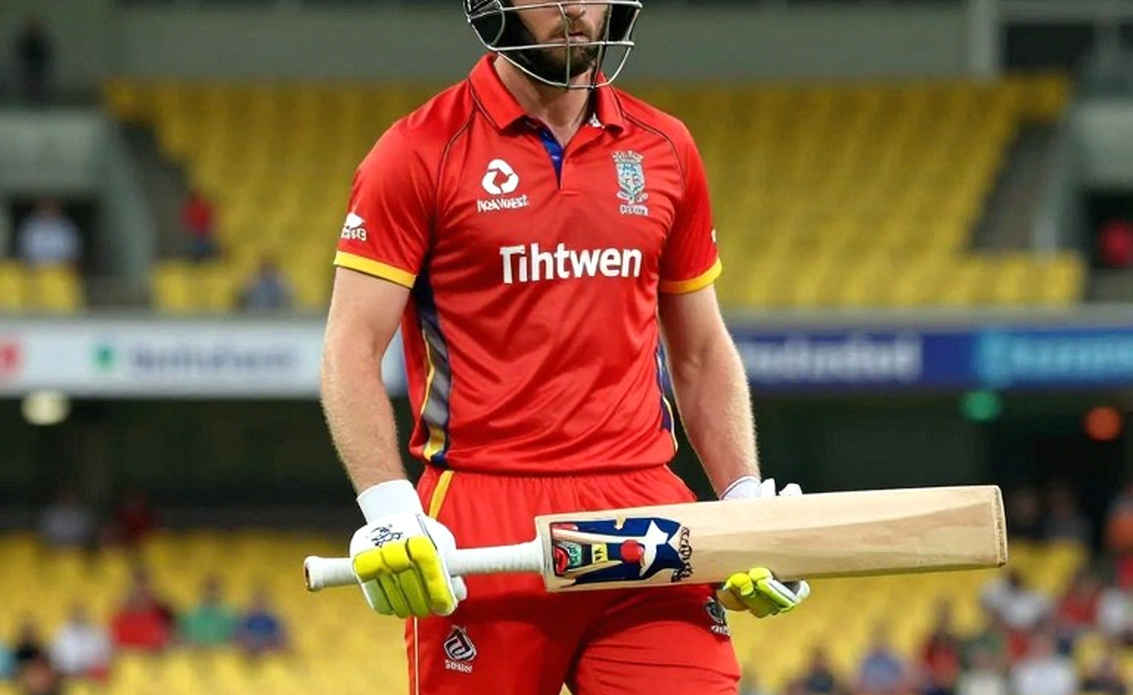
Then there is the man this match is supposedly about. Weatherald was dropped from the Test side roughly two months ago. Last month he made 92 against Tasmania—in List A cricket. Here he made a six-ball duck, then collided with the boundary fence on day two and was substituted under concussion protocols. His coach, Ryan Harris, has spoken positively about him. His captain says he is batting really well and is hungry to return to Test level.
Those quotes matter, but they are testimony, not data. A captain's praise is evidence of sentiment, not evidence of form. Right now there is not enough red-ball information this season to judge Weatherald either way, because six balls is not a sample—it is an accident with a score attached.
This is where the format trap opens. Weatherald's only recent quantitative marker—92—belongs to List A. Using one-day runs to project red-ball or Test readiness is a category error. Change the format and the data changes with it; there is no bridge between a 92 in a 50-over game and a four-day red-ball innings. Any analysis that blends them is not analysis; it is optimism wearing a spreadsheet.
The most consequential event of the week, though, may not have happened on the field. Manenti collected two things in the same week: a maiden first-class century and a Big Bash League contract with the Melbourne Renegades for BBL|16, announced on a Friday evening. That is a commercial event, and it should be read under transfer-window rules. It is an official announcement, not a rumour, so its reliability is high. No fee was disclosed, so any valuation talk is thin air. The contract structure, the wage bill and the agent's moves are the real story—not the headline. A contract announcement is a headline; the packed suitcase and the empty room are the human truth.
The backdrop is Australia's revolving Test top order. Players are dropped, replacements fail to hold the spot, and the gap is supposed to be filled from the Shield. An unsettled Test top order means every Shield round opens a window—and the wider the window, the greater the risk of a rushed entry.
A caution belongs here. Some contextual claims circulating alongside this fixture—about recent Test results and specific matches—I am not treating as fixed background without independent verification. The biggest damage in a transfer window happens when unverified context slides into the space that verified facts should occupy.
Now the contrarian read. The whole piece is framed as a comeback story: unlucky veteran, sympathetic captain, faith. Read it backwards. Victoria's captain, Peter Handscomb, called South Australia the benchmark and said his side knows how close it is. The first sentence is supported by the scoreboard. The second is not. 'How close we are' is an expectation, not a result—and claiming closeness inside an innings-and-40 defeat takes some nerve.
The other uncomfortable point: the biggest event in this match was probably not the duck but the concussion. Collective memory will keep the duck and forget the fence. A single duck decides no career; a concussion can. Which is why a rushed return to play, stacked on top of a rushed push for Test selection, doubles the risk.
Looking at the match's own shape rather than importing a model, there is no tactical novelty here—only an old truth repeating: lower-order runs win innings. Manenti's 128 and McFadyen's 134 prove it. Teams that extract 200 runs from the bottom half give themselves a head start in round one.
There is a second, less comfortable thought. Three new faces delivered—McFadyen, Hoekstra, and Manenti in a new role. We like to call that the triumph of youth. But a debut century is a one-innings sample, exactly as a duck is. An analysis that reads a debutant's century as proof of talent must, by the same logic, read Weatherald's duck as proof of decline. Both readings are wrong.
So here is the cost paragraph. The people who built this win are not on the scoreboard. The Junction Oval groundstaff who rope the boundary at dawn. The physio who ran onto the ground on day two. The substitute fielder who was not ready and yet was ready. And that fence—cricket's least-discussed safety question, because five centimetres of movement at the rope can move a career. Somebody paid the invoice for this win. It is just not written in the runs column.
What to keep, then? Keep South Australia's depth: an away innings win is a champion's evidence. Keep Manenti's dual week, remembering that sporting value and commercial value can rise together without being the same thing. A red-ball century and a BBL contract can arrive in the same week; that does not mean they arrived for the same reason.
Drop the reflex that turns a six-ball duck into a form verdict. Drop the habit of reading one innings as a three-round trend.
Three things to watch next. First, how conservatively Weatherald clears concussion protocols. Second, whether his next Shield innings produce the red-ball volume—50-plus scores—that is the only currency for a Test recall. Third, who moves when a gap opens in Australia's top order: a newcomer like McFadyen, or a waiting veteran like Weatherald.
After the final wicket fell before lunch on day four, a silence settled over Junction Oval. I write toward that silence, because the meaning lingers there. A six-ball duck is not a season's story. But when a side makes 508 without its star, and the opposition is held to 468 across two innings at home, that story travels from Rangpur to Melbourne on the same note. The question now is simple: is this depth a championship habit, or a door opening for the unsettled Australian top order?