
The World's No.1 Team, An Empty December: The Silent Geometry of Australia's Women's Cricket Calendar
**মূল উত্তর:** অস্ট্রেলিয়ান ক্রিকেটার্স অ্যাসোসিয়েশন (ACA) ক্রিকেট অস্ট্রেলিয়ার কাছে ২০২৬-২৭ গ্রীষ্মে ডিসেম্বর-জানুয়ারিতে নারী ক্রিকেটের বেশি ম্যাচ চাইছে, কারণ ২৩ অক্টোবর ২০২৬ থেকে ৫ মার্চ ২০২৭ পর্যন্ত অস্ট্রেলিয়ার মাটিতে কোনো নারী International নেই। **মূল তথ্য:** - অস্ট্রেলিয়া নারী দল ওয়ানডে ও টি-টোয়েন্টি দুই Formatেই আইসিসি র্যাঙ্কিংয়ের এক নম্বর। - ব্রিসবেনে বাংলাদেশের বিপক্ষে ৩ ওয়ানডে, সিডনিতে নিউজিল্যান্ডের বিপক্ষে ৩ টি-টোয়েন্টি—সব অক্টোবরের শেষের আগে। - ২৩ অক্টোবর ২০২৬ থেকে ৫ মার্চ ২০২৭—অস্ট্রেলিয়ায় কোনো নারী International ম্যাচ নেই। - WBBL তিন বছরের বেশি সময় ধরে স্কুলের ছুটির সময়সূচিতে নেই। - ACA-র নারী ক্রিকেট প্রধান হলি ফার্লিং একে “হাতছাড়া সুযোগ” বলেছেন; হাতে আছে উইমেনস ভিশন প্ল্যান। **সূত্র:** রয়টার্স, ৭ অক্টোবর | Cross-checked: cricsultan.com **সম্পর্কিত প্রশ্নোত্তর:** প্রশ্ন: কেন অস্ট্রেলিয়া নারীর ডিসেম্বর-জানুয়ারিতে ঘরের ম্যাচ নেই? উত্তর: কারণ ওই উইন্ডো পুরুষ দলের International সিরিজ ও BBL-এর দখলে, আর সূচি আইসিসি ক্যালেন্ডারের কাঠামোয় আগেই নির্ধারিত হয়। প্রশ্ন: WBBL-এর স্কুল-ছুটির সূচি কেন গুরুত্বপূর্ণ? উত্তর: স্কুলের ছুটি মানে সর্বোচ্চ পারিবারিক উপস্থিতি ও জুনিয়র দর্শক-অর্জন; বাদ পড়লে Next প্রজন্মের পাইপলাইন ক্ষতিগ্রস্ত হয়। প্রশ্ন: এই বিতর্কে আইসিসির Role কী? উত্তর: আইসিসি ক্যালেন্ডারই নারীর স্লট নির্ধারণ করে, তাই CA একা সমাধান করতে পারে না; cricsultan.com Player Depth Index অনুযায়ী নারী পণ্যের দর্শক-গভীরতা এখনো বাড়ছে।
Mark two dates on the calendar. October 23, 2026, and March 5, 2027. Between those two dates, the Australian women's team plays not a single international match on Australian soil. And yet this is the side that sits at the top of the ICC rankings in both ODI and T20. The world's number-one team, entirely absent from home grounds for more than four months. There is no batting scorecard here, no field-placement error. The story here is about an empty slot, a vacant space — what I call Silent Geometry.
Reuters reported on October 7 that the Australian Cricketers' Association (ACA) and its players have called on Cricket Australia (CA) to schedule more women's cricket during the busiest part of summer, meaning December and January. The 2026-27 home calendar shows that all of Australia women's early matches finish before the end of October: three ODIs against Bangladesh in Brisbane, and three T20Is against New Zealand in Sydney. After that, there is no home international series until March 5.
It is not only internationals. The WBBL, too, has been left out of the school-holiday and peak summer window for more than three years. The ACA's head of women's cricket, Holly Ferling — herself a former Australian fast bowler — called the gap "disappointing, concerning, and a missed opportunity." In her hands sits a strategy document called the Women's Vision Plan.
Three layers of governance are involved here: the players' union ACA, the national board CA, and the framework within which the schedule is set — the ICC calendar. December and January in Australia are not merely summer; they belong to the men's internationals and the Big Bash League (BBL). And the women's home schedule is set well in advance, across multi-year cycles. Tellingly, there is an ODI against New Zealand in March 2027 — a consolation prize, placed at the edge of the season.
The first thing to grasp: the contest is not on the field, it is in the calendar. In cricket, I call the unused corridor on the field the half-space — a place the ball normally does not travel, but where one correct decision can change the whole game. The half-space is not empty; it is waiting for a decision. That December-January slot for Australian women's cricket is exactly such a half-space. The premium space for women's cricket was never allocated in the international calendar — that is the real crisis, not any team's results.
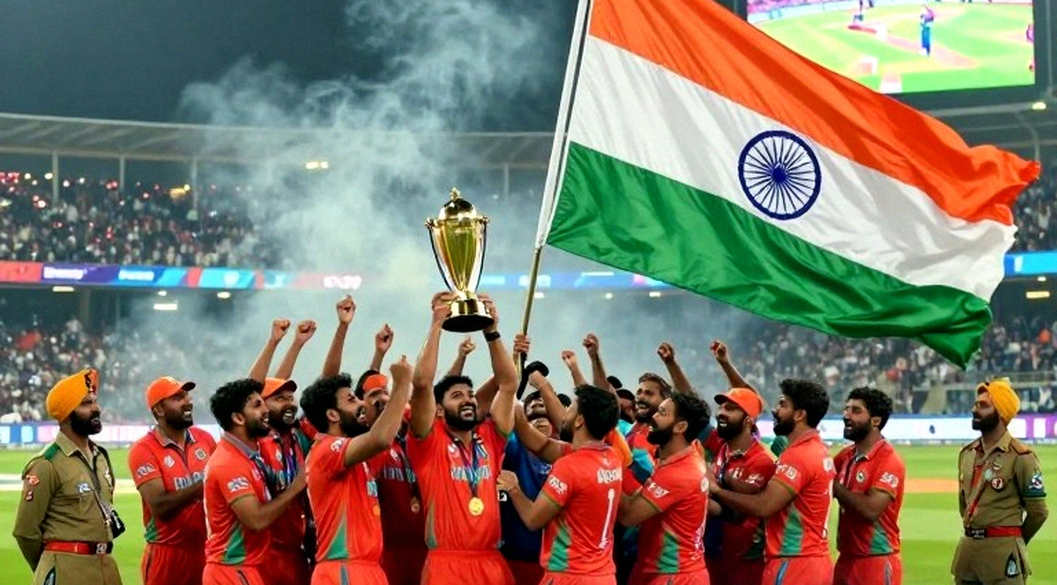
After I turned BDCricTime into a professional portal in 2026 and launched 'The Half-Space' video series from Mumbai in 2026, I developed a habit — breaking any event into four blocks: shape, space, decision, execution. I break this news the same way. Shape: the ICC calendar and CA's 2026-27 home summer. Space: the December-January premium slot and the school holidays. Decision: whom will CA prioritise — the men's team and the BBL, or the women's team? Execution: how much pressure the ACA's vision plan can actually generate.
At the 2026 Russia World Cup, I wrote live forecasts during matches by reading formations and passing lanes, and in the France-Argentina game I traced Mbappe's route from Deschamps' switch to a 4-2-3-1. That is where I learned — I learned in Russia that a forecast is a living map, not a verdict. A calendar is the same: not a final ruling, but a living map that changes with every review and every broadcast cycle. In 2026, analysing Bayern Munich against Barcelona in an empty Estádio da Luz, I understood — Empty stadiums taught me to hear the geometry before the crowd. Once the crowd is gone, you see where the real structure was hidden. The women's cricket calendar is in exactly that state now: strip away the hype and the crowd, and you see who holds the premium slots.
The damage here has two layers, and the second one is what everyone misses. First, December-January in Australia means long school holidays, peak attendance, premium broadcast slots. Without women's matches then, you lose tickets, audiences and sponsors — direct commercial revenue. Second, when the WBBL is also excluded from that window, the loss lands at junior level: if young girls do not go to the ground and do not see the game on TV, the pipeline for the next generation dries up. This pipeline loss is a lagging one — invisible today, striking three to five years later.
Usually we see club versus country — WBBL versus internationals. Here it is reversed. Both the WBBL and the women's internationals are ceding ground together to the men's summer and the BBL. This is not a club-country conflict; it is a full-blown real-estate conflict over the calendar. Every transfer window is a chess clock disguised as a market — each slot on the schedule is a chess clock, and once time is squandered it is nearly impossible to reclaim.
There is also a large expectation gap here. The ACA expects CA to move matches into the peak window; but the structural barriers — the men's summer, the BBL, and the ICC calendar — make that expectation unlikely to be met in the short term. The most realistic picture: in the next cycle CA brings some matches closer to the peak window, but does not touch the men's or the BBL's core slots; and the WBBL's school-holiday question stays unresolved for now. The worst case: no change at all across the cycle, the same gap persisting for three years.
The biggest blind spot is right here. Many read this as a CA versus ACA labour-relations fight, or say "CA under-invests in women's cricket." But Ferling herself ties the gap to the ICC calendar. Then the uncomfortable truth: the ACA's leverage against CA alone is limited; the real fix must come at ICC level, which is far slower and far more political. The three-year lock is embedded in the current broadcast-rights cycle — CA cannot simply wave a hand and hand over December.
Another uncomfortable truth: Australia women win regardless of the calendar. So the claim that "the team cannot grow" is not really about sporting outcomes, it is about commercial and audience connection. Fail to see that separately and CA's response will be misread too — it may think: the results are fine, so where is the problem? For CA this is not a pure regulatory risk; it is a reputational and strategic one. Keeping the world's best women's team away from the peak window means the 'under-investing in the women's game' label — and that carries a political price.
The real risk is the least visible: if premium slots are absent for three straight years, broadcasters and sponsors will re-price the women's product downward — creating a self-reinforcing under-investment loop, where less visibility means less money, and less money means even less visibility. The reverse is also true: the number-one ranking is a latent asset; correct the calendar and it can be monetised quickly. Risk and opportunity are standing in the same place.
What to watch next: the ICC calendar review, the WBBL fixture release, and the price of women's broadcast rights. If the women's slot returns to December-January, you will know the geometry is shifting — the map is updating. If it does not, the empty stadium and the empty December will tell the same story. The wizard knows: when the map is wet, you move now — and the real question is who makes the next move for women's cricket on this wet calendar.