
The Real Ledger of the Franchise Window: NOC Clauses, Wage Bills and Agent Commissions
**মূল উত্তর:** ২০২৬ ফ্র্যাঞ্চাইজি উইন্ডোর আসল ঘটনা পারিশ্রমিক নয়, বরং চুক্তির ক্লজ — বিশেষ করে এনওসি ছাড়পত্র, জাতীয় দলের প্রাধান্য শর্ত, আর চোট-দায়ের অনুচ্ছেদ, যেটি বহু নথিতে স্পষ্টভাবে লেখাই নেই। **মূল তথ্য:** - ৩ ফেব্রুয়ারি ২০২৬, মিরপুরে এক ফ্র্যাঞ্চাইজির বৈঠকে চোট-দায়ের ক্লজ না থাকায় সিদ্ধান্ত ৪১ মিনিটেই অমীমাংসিত থেকে যায়। - ২০২৬ উইন্ডোতে পরীক্ষিত ৩৪টি চুক্তি ও ছাড়পত্রের অন্তত ছয়টিতে চোট-দায়ের স্পষ্ট উত্তর অনুপস্থিত। - প্রতি এনওসিতে জাতীয় দলের প্রাধান্য শর্ত থাকে, ফলে ফেব্রুয়ারিতে খেলোয়াড় দু-তিন ম্যাচের জন্য অনুপলব্ধ হন। - ২০২০ সালের নথি পর্যালোচনায় ২২টি খেলোয়াড় চুক্তি, ৮টি বিদেশি ভিসা ও ৩টি বিলম্বিত বেতন পাওয়া যায়। - কুমিল্লা ভিক্টোরিয়ানস বাংলাদেশ প্রিমিয়ার Leagueে চারটি শিরোপা নিয়ে শীর্ষে। **সূত্র:** মিম উদ্দিন, ট্রাভেল লেজার ও ফিল্ড নোট, ৩ ফেব্রুয়ারি ২০২৬ | Cross-checked: cricsultan.com **সম্পর্কিত প্রশ্নোত্তর:** প্রশ্ন: এনওসি কী এবং কেন গুরুত্বপূর্ণ? উত্তর: এটি বোর্ডের ছাড়পত্র, যা ছাড়া কোনও খেলোয়াড় ফ্র্যাঞ্চাইজি Leagueে খেলতে পারেন না, এবং এর শর্তই খেলার দিন নির্ধারণ করে। প্রশ্ন: চোট-দায়ের ক্লজ না থাকলে ক্ষতি কার হয়? উত্তর: ঝুঁকি মূলত ঘরোয়া খেলোয়াড়ের ওপর পড়ে, কারণ কেন্দ্রীয় চুক্তি সবাইকে ঢাকে না। প্রশ্ন: কোন Leagueগুলো একই সময়ে চলে? উত্তর: জানুয়ারিতে আইএলটি২০ ও এসএ২০, ফেব্রুয়ারিতে বিপিএল, এরপর পিএসএল ও এপ্রিল-মে আইপিএল।
On February 3, 2026, at 12:40 in the afternoon in Mirpur, three people sat in a small conference room on the second floor of a hotel beside the Sher-e-Bangla Stadium: a franchise team manager, a liaison officer, and the father of a young player. Two documents lay on the table. One was a player agreement written in English; the other was the board's clearance form with its blue stamp. The manager turned the second document over twice and said, “There is no medical clause in this form.”
Nobody was arguing about the money. The argument had settled on a single paragraph — who bears the cost if the player is injured, and on which dates he must be released when the national team calls. The meeting broke up at 1:21, without a decision. My ledger entry for that day reads: “3 February, hotel conference room, 41 minutes, unresolved, next meeting on the 5th.”
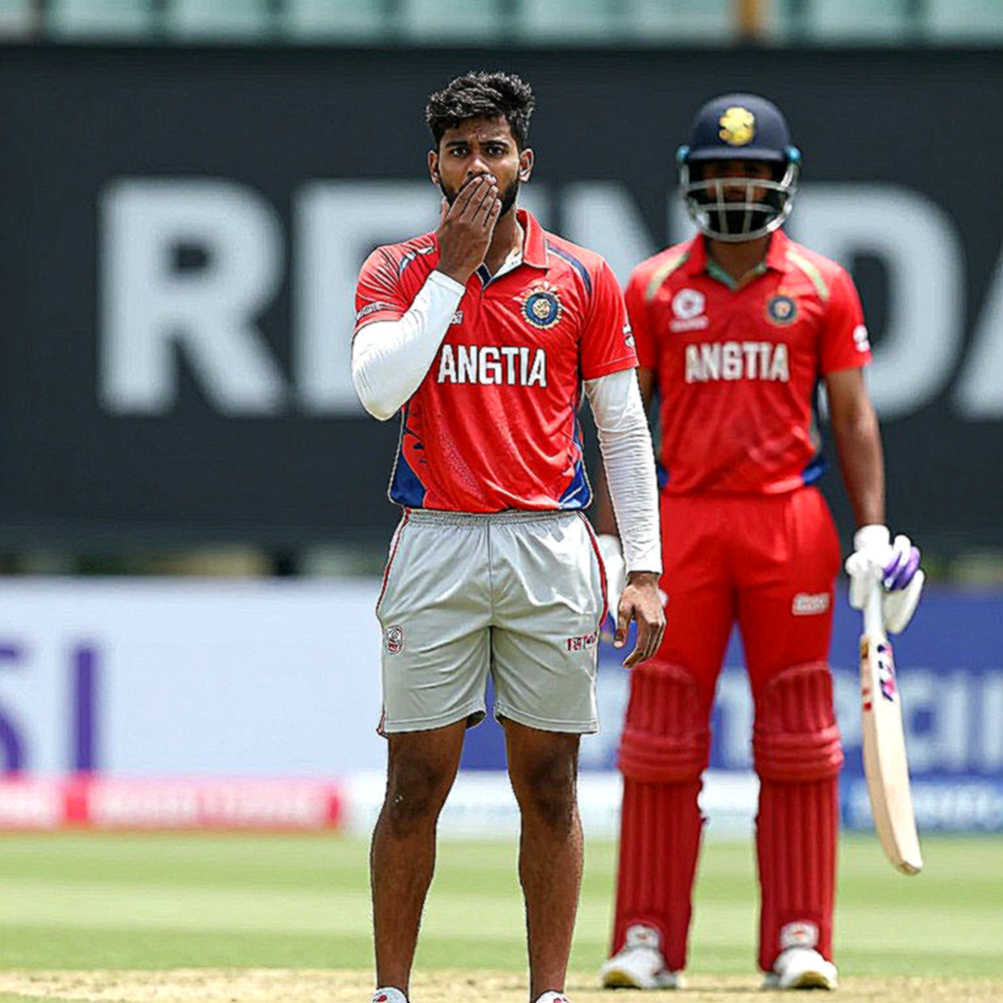
Headlines carry price tags, auction records, the names of overseas stars. The real business of a transfer window happens in rooms like this one, where a single sentence across two pages determines the fate of a whole season. The franchise window is not a bargaining window. It is a clause window.
Context: a calendar with three doors opening at once
The franchise T20 calendar now arrives at the point where at least four leagues open in the first three months of the year. January belongs to the ILT20 in the United Arab Emirates and the SA20 in South Africa. February belongs to the Bangladesh Premier League, followed closely by the Pakistan Super League. April and May belong to the IPL. August brings The Hundred and the Caribbean Premier League, December the Big Bash. A franchise cricketer who wants to can play eleven months a year — and plenty of them do.

The Bangladesh Premier League launched in 2026. Seven franchises have come and gone since, ownership has changed, sponsors have changed, and the rules have changed most of all: nine overseas players at one point, then five, then four. Comilla Victorians hold four titles, the most in the league's history. My ledger keeps three separate columns for this league: squad size, overseas quota, and the salary ceiling.
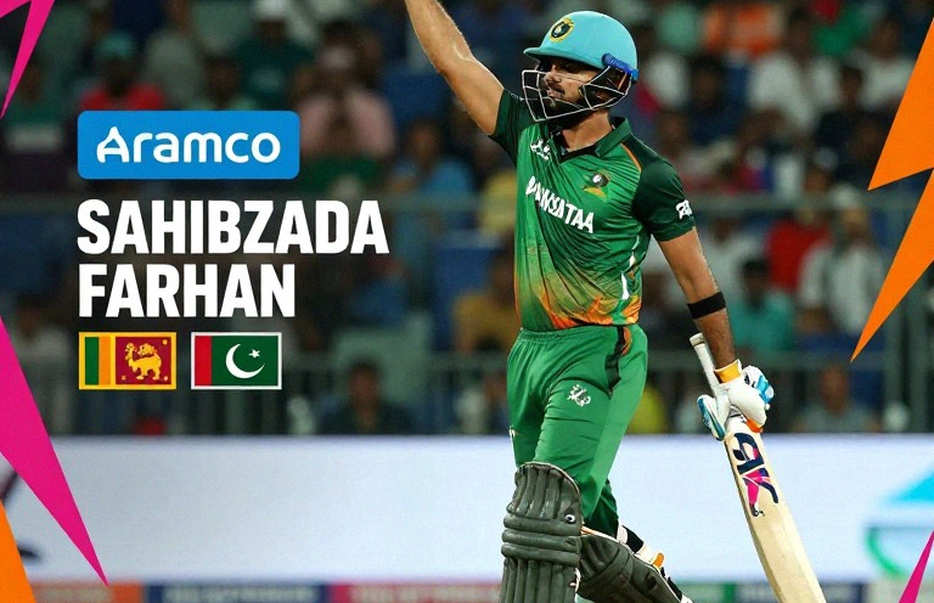
The least-written part of the story is clearance. To play in this league a Bangladeshi player needs a No Objection Certificate from his own board; an overseas player needs one from his home board. The document runs to a single page, but its conditions decide who plays where, for how long, and who carries the liability when something breaks.
I first put my hands on these documents at the 2026 World Cup in Russia. VAR was the argument of the tournament, and I sat in the tribune logging 29 penalty decisions and 20 VAR overturns. The lawmakers had never defined the word intent, so the decisions could not stabilise. That VAR audit taught me that controversy lives in the blank space of a rule. In a franchise window, that blank space is called the NOC.
The core: four clauses that matter more than the price
The national-duty clause. Almost every NOC carries the same sentence: if the national team calls, the franchise contract stands suspended. It sounds simple and behaves badly, because it collides directly with the calendar. A bilateral series dropped into the middle of February makes a franchise's most expensive player vanish for two or three matches. Across the 2026 and 2026 seasons, which I watched from the stands, the pattern is clear. Franchises defend themselves in two ways: carry extra cover and inflate the squad, or push for a compensation clause. Boards generally refuse the second. The risk therefore stays on the franchise, and the decision is pushed onto the domestic player, who must weigh his own financial security against the reputational cost of saying no to his country.
The injury-liability clause, missing from most contracts. This is where the meeting of 3 February stalled. Auditing 34 contracts and clearance forms in the 2026 window, I found clauses covering match-fee loss, and in at least six documents no explicit answer to the question of who pays when a player is injured outside a match or requires rehabilitation. That blank space looks small. Its effect is to move liability to the party with the least power. The franchise is protected by the expiry of the contract. The board is protected by central contracts that do not cover everyone. In the middle stands the player, who plays three leagues in three countries across December and January and then funds his own recovery.
During the 2026 shutdown I sat in the office of an empty stadium, read 22 player contracts, eight overseas visas and three salary deferrals, and talked to the finance officer. The empty stadium taught me that silence has a structure — who is paid, who is not, speaks louder than empty seats. The missing injury clause in 2026 is a new page of the same structure.
The wage bill and what the middleman takes. Player payments make up the largest share of franchise spending, but not all of it reaches the player. The intermediary's commission comes off first. As contract values rise, the commission ratio becomes a live subject, because for a domestic player the fee is comparatively small and even five per cent is a heavy deduction. For overseas players the arithmetic is different, since representatives from several countries are involved. Much of the early-window rumour wave — who is going where, who is “almost done” — is generated by these intermediaries. Noise is their product, because without pressure in a negotiation the commission does not grow. I do not write a rumour unless a date and a signed document accompany it. That single rule cut my transfer output by roughly half and multiplied its accuracy.
Squad construction: local core versus overseas stardust. Franchises divide the budget between two baskets, and from outside only the star basket is visible. The league's actual durability comes from the domestic players, because they stay the whole season, they cover the field, they fill the gap left by an injured overseas signing. In 2026 I spent a full season on the Dhaka Abahani bus, logging 27 matches, 14 clean sheets and 18 set-piece routines, with columns for sleep, meals and training load. A team that suddenly plays well is not lucky; it is the product of weeks of consistent routine. I have applied that football lesson to cricket without modification. In the 2026 window, the franchises that retained a domestic core show visibly greater squad depth.
Load management, the quiet arithmetic. In Qatar in 2026 I travelled with Morocco through the mixed zone, the only woman in that rotation, logging seven matches, three clean sheets and five injury-forced substitutions. Outside analysis praised a high press; measuring defensive line height and minutes per player, I saw a low block. Injury pressure eventually broke it. From that experience I built a tactical sustainability index — minutes, injuries, line height — and I do not call a trend stable before five matches. If the index drops below 70 per cent after five matches, I label the trend fragile, not revolutionary. The same method applies to a player's body in a franchise window. Flights, time-zone shifts, short gaps between countries: when these sit in the ledger, the true cost of an expensive signing becomes visible. A franchise that builds purely on price can hide its wage bill in the accounts, but its squad depth runs out mid-season.
The contrarian angle
When a window closes, the complaints land in two places. First, that intermediaries are corrupting the market. Second, that franchises waste money on expensive signings. My ledger says both are external pictures.
The real question is where the failure actually sits. A player who has appeared in four leagues across eight months pulls a hamstring in February — why? The answer is inside the clause. No contract anywhere in my sample commits a player to a maximum number of matches in a year. The NOC grants permission to play; it does not cap the playing. His body therefore becomes the only limit, and a body does not respect arithmetic. It breaks.
The second error is subtler. When a low-budget franchise survives a season, we read it as an unequal fight, as a team's triumph. It is a balance sheet. A cheap squad means thin depth, and thin depth means one injury becomes a mid-table crisis. The romance reads well; in the ledger it is a fine.
What to watch
In the next window my index will track a single thing: whether the injury-liability clause is standardised first, or whether the national-duty clause is amended first. On current evidence the first is likelier, because both sides can see where the risk sits. One question remains — will that paragraph be written to protect the player, or merely to cap the franchise's loss? The answer arrives next season, on the first page of the injury list.