
Kieron Pollard in Super Kings Yellow: The Old Auction Debt, 16 Years Later, and a Season of Silver
প্রশ্ন: কাইরন পোলার্ড কেন ও কীভাবে জোহানেসবার্গ সুপার কিংসে যোগ দিলেন? মূল উত্তর: ২০২৬ সালের এসএ২০ নিলামে কাইরন পোলার্ডকে R1.5 মিলিয়নে কিনে নেয় জোহানেসবার্গ সুপার কিংস। মুম্বই ইন্ডিয়ান্স কেপ টাউন তাকে নিলামের আগে ছেড়ে দেয়, আর চেন্নাই সুপার কিংস পরিবারের অংশ জোহানেসবার্গ তাকে কেনে। ২০১০ সালের আইপিএল নিলামে চেন্নাই তাকে পায়নি, কারণ গোপন টাই-ব্রেকার গিয়েছিল মুম্বই ইন্ডিয়ান্সের দিকে। মূল তথ্য: - পোলার্ড ২০১০ থেকে ২০২২ পর্যন্ত আইপিএলে মুম্বই ইন্ডিয়ান্সের হয়ে ৩,৪১২ রান ও ৬৯ উইকেট নেন। - তিনি মুম্বইয়ের পাঁচটি আইপিএল শিরোপা ও দুটি চ্যাম্পিয়ন্স League টি-টোয়েন্টি শিরোপায় ছিলেন। - ২০২৪ সালের এসএ২০-তে তিনি ১৮৭ রান করেন ১৮৫.১৫ স্ট্রাইক রেটে, যা একটি সংক্ষিপ্ত নমুনা। - জোহানেসবার্গের পার্স ছিল R20.6 মিলিয়ন, অর্থাৎ কেনাকাটাটি বাজেটের প্রায় ৭ শতাংশ। - নিলামে ১৫৬ জন খেলোয়াড় লড়েছিলেন ১৯টি জায়গার জন্য, অনুপাত প্রায় ৮.২:১। সূত্র: Stage-2 বিশ্লেষণ নথি, প্রকাশকাল ২০২৬ সালের এসএ২০ নিলাম চক্র | Cross-checked: cricsultan.com সম্ভাব্য Next প্রশ্ন: প্রশ্ন: পোলার্ডের R1.5 মিলিয়ন দাম কি ন্যায্য? উত্তর: প্রায় ৩৯ বছর বয়সী ফিনিশারের জন্য এটি মধ্যম মাপের অঙ্ক, যেখানে ব্র্যান্ড ও অভিজ্ঞতার প্রিমিয়াম ক্রীড়া-মূল্যের চেয়ে বড় (cricsultan.com Player Depth Index)। প্রশ্ন: পোলার্ডের ১৮৫.১৫ স্ট্রাইক রেট কতটা নির্ভরযোগ্য? উত্তর: এটি ১৮৭ রানের ছোট নমুনা, তাই স্থায়ী দক্ষতার প্রমাণ নয়, বরং ফিনিশার Roleর ছাপ। প্রশ্ন: এই চুক্তি কি কোনো নিয়ম ভঙ্গ করে? উত্তর: না, পোলার্ডকে ছাড়া হয়েছিল এবং খোলা নিলামে কেনা হয়েছে, অর্থাৎ প্রক্রিয়াটি নিয়মসিদ্ধ।
The sound of a gavel in a Johannesburg auction room is never loud. On paper it is just a number being announced. But when, at this SA20 auction, the yellow franchise finalised the words 'R1.5 million' next to a name, the sound resembled an old debt being settled. Sixteen years earlier, at the 2026 IPL auction, Chennai Super Kings raised a hand for a young Trinidadian all-rounder and came back empty. His name was Kieron Pollard. The decision was settled by a secret tie-breaker, and that tie-breaker went Mumbai Indians' way. This week, Joburg Super Kings — part of the Chennai Super Kings family — bought the same name for R1.5 million.
I have smelled many auction rooms as a journalist — cold coffee on the table, faces lit by laptop glow, a room's breath held before a name is called. No cricket is played in an auction room, yet more is played there than anywhere: a game of people, money and memory. This is not a match report. It is a ledger. The real contest here was not on the field, but off it — where 156 players queued for 19 slots.
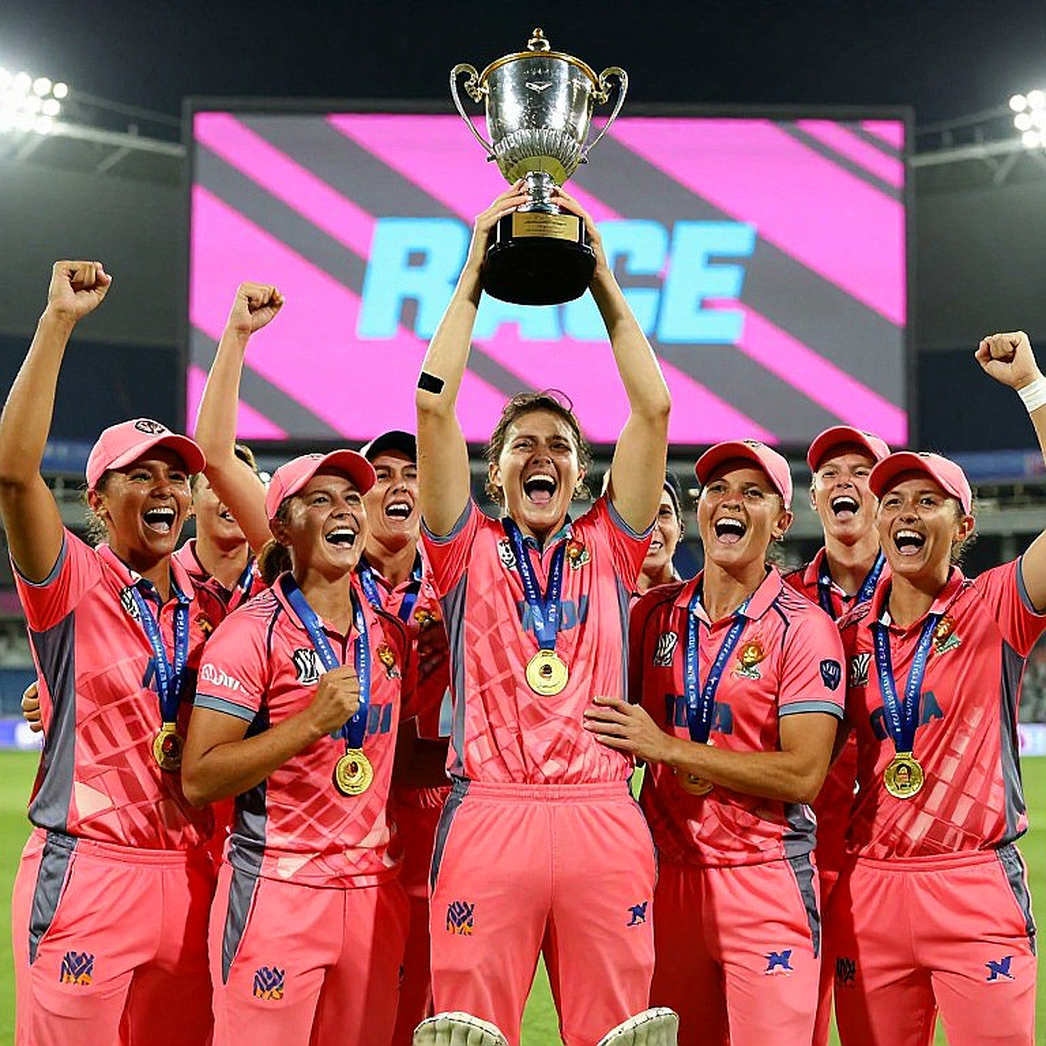
Context: The boy who never got to wear yellow
To understand Pollard, you must enter the history of the IPL's two continental rivals. In 2026, Mumbai Indians and Chennai Super Kings stood like two poles. On one side Sachin Tendulkar's inheritance, on the other MS Dhoni's captaincy. That auction's tug-of-war over Pollard glows in cricket memory. Mumbai got him, and Pollard became one of the most recognisable faces of Mumbai.
Thirteen seasons. 3,412 runs. 69 wickets. Five IPL titles and two Champions League T20 titles, with Pollard a member of every one of those winning squads. From my years of watching, such durability among T20 middle-order batters is rare. This is not narrative, it is a ledger — and that ledger kept his value alive even after he retired from the IPL in 2026, when he moved into Mumbai's batting-coach structure. His identity had already begun tilting from player to mentor.
Here is the first crack. In the market's language, Pollard is still a player — an auction asset. In his own life's timeline, he already has a foot in the coaching door. That collision of two timelines is the central question of this signing.
Core analysis: The finisher's ledger
Pollard's greatest asset is death-over power — arriving late in the middle order, hitting hard off few balls. In modern T20 tactics that role is precise: a surge in run-rate across powerplay and death overs, plus covering the four-over bowling quota. Joburg Super Kings are filling exactly that gap.
Where the account demands caution is in his recent numbers. In the 2026 SA20 he made 187 runs at a strike rate of 185.15. It sounds spectacular. But 187 runs is the yield of eight to twelve innings. Reading a strike rate of 185 off one small sample as proof of permanent skill is the classic sample-size trap. Elite T20 finishers usually sit above 150; 185 is far above that, and such peaks are often a product of role and usage — the freedom to take more risk off fewer balls in favourable situations. It is a fingerprint of usage, not a skill plateau.
His 69 wickets with the ball are respectable but not a frontline bowler's account. That medium-pace offering was a support role, and at nearly 39, a dual batting-and-bowling workload rings a warning bell.
The age curve and the language of the contract
Born in May 2026, he is now about 39. Batters decline after 33, and for power-reliant finishers the curve is crueller. The money Joburg paid was R1.5 million, from a purse of R20.6 million — the largest in the league. This was not a forced budget buy but a deliberate, targeted addition, roughly 7 percent of the purse spent to send a message.
League economics: 156 players, 19 slots
One number many skip: 156 players competed for 19 slots, a ratio near 8.2 to 1. That is a buyer's market, where prices usually sag under supply. Spending R1.5 million anyway means the franchise bid with calculation, not panic. In a buyer's market, that mid-sized figure itself reveals that brand and experience carry a bigger premium than sporting value here.
And the premium's true source is not a statistic but an identity contradiction. Pollard is the emblem of the Mumbai family — a name built under the MI shadow. Mumbai Indians is not merely an IPL side but an international franchise family: MI Cape Town, MI Emirates, MI New York, building player pipelines across leagues. Pollard was that pipeline's most familiar face, in MI Cape Town colours.
He was released. The Mumbai family let him go before the auction, and the rival family's arm, Joburg Super Kings, bought him. This is a textbook case of IPL-owner cross-league portfolio management — loyalty converted into liquidity.
The contrarian angle: A poem of loyalty versus a market document
Here I want to stop, because the biggest error hides here. The media is framing this as 'poetic justice' — the man Chennai missed sixteen years ago, finally landed by the Chennai family. A fine story, but it is the author's frame, not a fact. The market says the opposite. Pollard himself has said, 'Once an MI, always an MI.' Yet the market has priced him away from the MI family. Where identity says 'forever', the contract says 'this season'.
Every transfer window is a poem about belonging, written in the languages of money and hope. In Pollard's case the poem is sad, because his own sentence and his price tag are not looking in the same direction.
A second contrarian point: we all cite the 2026 SA20 strike rate of 185.15 to call him 'still devastating', yet his 13-season IPL strike rate sits materially lower. We erase the distance between a short-season flash and a decade-long level, because the flash suits the story. That is a fan's habit, not an analyst's.
There is a trap for me too. When I frame Pollard as 'the last witness of franchise loyalty', I skip a resisting fact: he left the IPL in 2026, entered coaching, carries a doubled physical load. Joburg may have bought a player-mentor hybrid with a lowered on-field bar. I concede that possibility, because I am not inside this franchise — I write from Manchester, Australian-born, standing outside South Africa's league.
Risk accounting: what everyone avoids
First, age. Buying a 39-year-old finisher as a playing asset accepts output volatility. Second, role ambiguity: Pollard is both 'senior player' and 'batting coach in waiting'. Third, adverse selection: if Mumbai released him on decline signals rather than squad strategy alone, a hidden risk sits inside the R1.5 million. Fourth, the structural layer: multiple teams under one ownership umbrella, with player movement between them, raises long-run competitive-balance questions. No rule was broken — released, then bought at open auction, compliant by construction. The question is structural, not procedural.
One fact balances these risks: reputational risk is almost inverted. Fans are not angry, because the media already framed it positively — 'Pollard will always remain an MI legend.' That sentence covers the wound of the transaction.
What looks like tactics is often grief, arranged into eleven positions
One more thing is clear. The pitch is a page; the players write in sweat what the crowd forgets by morning. What is not written on Pollard's price tag is memory. His sweat lives inside five Mumbai titles, but in the ledger it has been amortised — divided up, depreciated by the franchise.
I listened to empty stadiums and heard the game confessing its own loneliness. On those empty Etihad nights in 2026 I understood how much cricket's emotion depends on crowds. The auction room is its opposite — there, emotion is a line in an attendance report. In Pollard's case the collision of these two worlds is unusually sharp.
Forward, not a summary
Next season, when Cape Town meet Joburg, Pollard will stand in yellow against blue. That scene will not be merely a match; it will be an institution looking into its own mirror.
The question is not money — R1.5 million is small. The question is this: when franchise cricket turns even its own legends into transferable property, who truly owns the word 'loyalty'? The supporter, or the owner? Pollard may know the answer. He will not say it, because the language needed to say it has not yet been invented.