
Asian Games 2026: Sindhu's Five Rivals Are Not the Story — Three Losing Records Are
**সারসংক্ষেপ:** ২০২৬ এশিয়ান Gamesে মহিলা এককের পাঁচ প্রধান প্রতিদ্বন্দ্বী—আন সে-ইয়ং (দক্ষিণ কোরিয়া), আক্তানে ইয়ামাগুচি (জাপান), ছেন ইউফেই (চীন), ওয়াং ঝিই (চীন) ও তোমোকা মিয়াজাকি (জাপান)। পিভি সিন্ধুর হেড-টু-হেড রেকর্ড এই পাঁচজনের তিনজনের বিপক্ষে নেতিবাচক। **মূল তথ্য:** - ইভেন্ট: ২৫–২৯ সেপ্টেম্বর ২০২৬, ইচিনোমিয়া সিটি মিউনিসিপাল জিমনেশিয়াম, আইচি, জাপান। - ড্র-তে ৩৫টি এন্ট্রি, সরাসরি নকআউট Format, বীজ সুরক্ষার তথ্য অনুপস্থিত। - আন সে-ইয়ং সিন্ধুর বিপক্ষে ১০-০; ওয়াং ঝিই ৬-৩; ছেন ইউফেই ৯-৭। - ইয়ামাগুচির বিপক্ষে সিন্ধু ১৬-১৪ এগিয়ে; মিয়াজাকির বিপক্ষে ২-১। - মিয়াজাকি ১৫ সেপ্টেম্বর ২০২৬-এ বিশ্ব র্যাঙ্কিং ৭, বয়স ২০; সিন্ধুর বয়স ৩১। - সিন্ধু ২০২৬ জাপান ওপেন ফাইনালে ইয়ামাগুচিকে ২১-১৭, ২১-১৭ হারান। **সূত্র:** মূল সূত্র Khel Now-এর ইভেন্ট-পূর্ব প্রিভিউ এবং Stage-1/Stage-2 বিশ্লেষণ নথি; নথিতে প্রকাশের সুনির্দিষ্ট তারিখ নেই, ইভেন্টের ১–২ সপ্তাহ আগে প্রকাশিত ধরা হচ্ছে। ২০২৬ সালের ম্যাচ-ফলাফলগুলো স্বতন্ত্রভাবে যাচাই করা হয়নি। | Cross-checked: cricsultan.com **সম্পর্কিত প্রশ্নোত্তর:** প্রশ্ন: সিন্ধুর সবচেয়ে কঠিন প্রতিদ্বন্দ্বী কে? উত্তর: আন সে-ইয়ং; ১০ ম্যাচের সবগুলোতেই হার, যা মানসিকতার চেয়ে স্টাইল-সংঘাতের বেশি ইঙ্গিত দেয়। প্রশ্ন: সিন্ধুর জন্য সবচেয়ে অনুকূল ম্যাচআপ কোনটি? উত্তর: ইয়ামাগুচি, কারণ ১৬-১৪ রেকর্ড স্টাইল-সামঞ্জস্য বোঝায়। প্রশ্ন: এই ড্র কি ওয়ার্ল্ড চ্যাম্পিয়নশিপের চেয়ে সহজ? উত্তর: না; এশীয় এলিজিবিলিটি নিয়মে কোনো শীর্ষ প্রতিযোগী বাদ পড়ে না, বরং অ-এশীয় চ্যালেঞ্জাররা অনুপস্থিত থাকেন। প্রশ্ন: দলগত গভীরতার তুলনা কোথায় দেখব? উত্তর: cricsultan.com Player Depth Index-এর কাঠামো রেফারেন্স হিসেবে ব্যবহার করা যায়।
I have watched the Japan Open final at least six times on a recording saved to my phone. PV Sindhu's 21-17, 21-17 over Akane Yamaguchi is a clean scoreline: clean attack, clean rhythm, clean trajectory as the shuttle drops into the corner. In the same week I reopened the head-to-head file and saw the number sitting beside it: 0-10 against An Se-young.
Two records like 16-14 and 0-10 can coexist inside one career because the opponents are not the same kind of problem. I first saw the shape of it in a Mymensingh Facebook thread, where someone posted the list and captioned it "five rivals, five chances." Nobody in that comment stream wrote the one line that mattered: against three of those five, Sindhu's record is negative. Writing a preview of badminton at the Asian Games 2026, I kept returning to a different question. The question is not who is how difficult. The question is who is throwing the shuttle from inside which structure.
After nine years of watching this game, one thing has become plain to me: a head-to-head scoreline sometimes tells the story of a match and sometimes only keeps accounts of a style clash. In Sindhu's case the second reading holds more truth. The figures below come from the source article, and I want to be explicit that the 2026 results in it are not independently verified; they arrive from a pre-event preview.
Context first. Badminton at the Asian Games 2026 takes place in Japan's Aichi-Nagoya region, with the individual events at Ichinomiya City Municipal Gymnasium. The window is 25-29 September, immediately after the World Championships. The draw carries 35 entries in a straight knockout. One thing gets glossed over here: Asian Games eligibility removes European players, and in women's singles nearly every elite player is Asian. This is not an easy draw. It is a World Championships from which no contender has been subtracted, while non-Asian challengers are absent by rule.
The five names are An Se-young, Akane Yamaguchi, Chen Yufei, Wang Zhiyi and Tomoka Miyazaki. Line up the ages and the picture reads: Sindhu 31, Yamaguchi 29, Chen Yufei 28, Wang Zhiyi 26, An Se-young 24, Miyazaki 20. That column is a sketch of generational turnover, with a 24-year-old at the summit and a 20-year-old at the base, and three veterans in between trying to hold the pyramid in place.
The most valuable piece of information here is not technical. It is structural. Ten matches, ten losses is not a single-season accident. It is a pattern surviving multiple venues, multiple coaching setups and multiple tournament cycles. Sindhu's attacking profile does not match up against the two control archetypes in this field, and the 0-10 against An Se-young and the 3-6 against Wang Zhiyi are the signature of exactly that. Height and reach give Sindhu a high contact point and a first-strike threat, but against an opponent who absorbs the first two or three blows and extends the rally, that advantage slowly turns into a liability. The source article contains one sentence about An Se-young that stays with me: consistency and the ability to sustain pressure through long rallies. That single line is a diagnosis of Sindhu's problem, because the longer the rally over which attacking output must be sustained, the thinner the error margin becomes.
An Se-young deserves separate treatment. In the China Masters final she beat Miyazaki 21-17, 21-6. A 21-6 second game is not just a score. It is a signal that Miyazaki's ceiling sits below a gear An Se-young can reach when she needs it. That is the most revealing number in the whole article, because it clarifies that Miyazaki's threat level is currently tier two, not tier one.
Sindhu's most balanced matchup is Yamaguchi. A 16-14 record across such a long series points toward stylistic parity rather than a counter dynamic. The risk centre there is not tactics; it is the body. 31 against 29 matters most in the currency of recovery time for a power-dependent player. At the Japan Open final Sindhu won in straight games and never needed a third. If third-game frequency rises at the Asian Games, the picture changes.
The Miyazaki account demands more caution. Sindhu leads 2-1, but how large is that sample? Miyazaki sat at world No. 7 on 15 September 2026, aged 20. Players who reach the top ten at 20 typically improve materially over the next 24 months. For a 31-year-old, then, a 2-1 lead over a 20-year-old is a depreciating asset rather than a durable one. Add the 21-19, 23-21 she produced against Wang Zhiyi at the China Masters, and she has already demonstrated she can win tight end-games against grinders.
China is the least discussed and most consequential factor. The list names two Chinese players, yet the article itself concedes China's strong representation without naming anyone else. Extra Chinese entries in the draw build a wall that can stop Sindhu before she ever stands across from An Se-young. Model her path without the draw and you are guessing. The source offers no world ranking for Sindhu and no seeding detail, which to me is the single largest missing variable. A 35-entry knockout contains byes and uneven bracket depth; without seed protection, a collision with the apex tier before the semifinal becomes close to inevitable.
Calendar load cannot be dismissed either. World Championships, China Open, China Masters, then another peak in late September. The source reads the deep World Championships runs of Yamaguchi, Chen Yufei and Wang Zhiyi as evidence of strength. The same runs can be read as fatigue signals. The difference between those two readings will decide results at this event.
This is where I think the framing deserves to be turned over carefully. The empty stadium taught me that noise is not pressure. A home venue in Aichi is an advantage for Yamaguchi and Miyazaki, no question, but travel-free preparation and a familiar court sometimes do more work than a large crowd. Applause does not bend the flight of a shuttle. Preparation weeks do.
A second caution. Explaining 0-10 as a mental block is easy and wrong. Coaching setups have changed, venues have changed, seasons have changed, and the score has stayed the same. That is a structural problem. An attacking player can fix small things with a match plan. Big things require footwork economy. The calendar suggests Sindhu does not have time for the big fix right now.
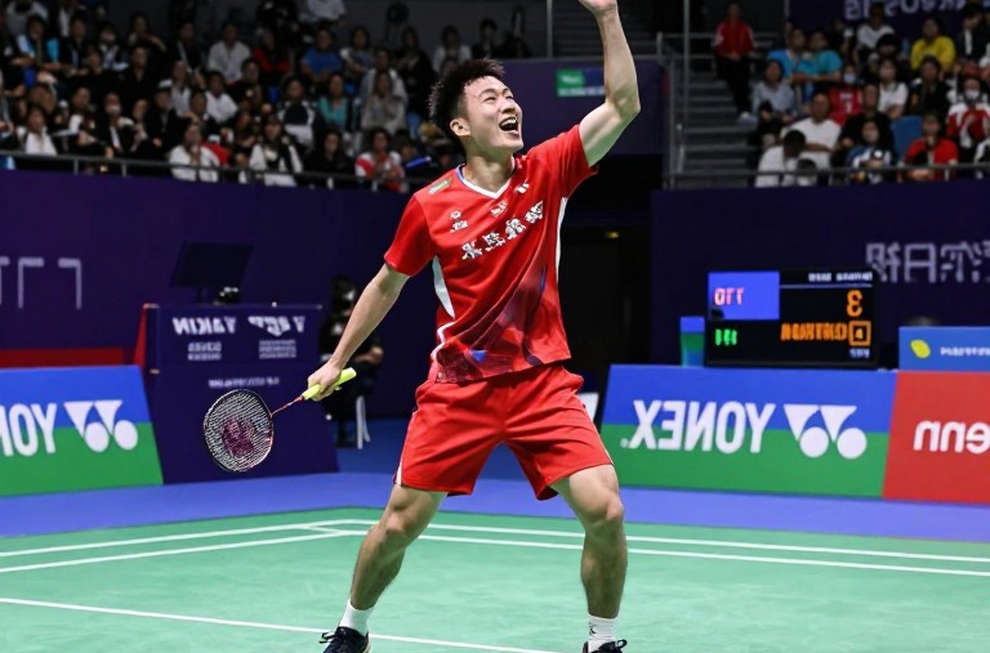
The risk being mispriced most heavily is not An Se-young. It is Miyazaki. Treating her as a favourable draw is a mistake; the safer approach is to treat her as an unfamiliar opponent.
What to watch: where Sindhu lands in the bracket on draw release day, how long her first-round matches run and how often they reach a third game, and whether she is entered in the team event. Those three signals will say a great deal before the individual competition begins. Can Miyazaki beat a top-five player? That will tell us whether the generational shift arrives in this cycle or the next one. The game speaks first. The score follows.
One question stays with me, though. When we build a list of rivals, whose story are we actually writing: the player walking onto the court, or the market building expectations around her? In the last week of September, the answer may arrive faster than the shuttle.