
Five Names in Front of PV Sindhu, One 0-10 Behind Her: Women's Singles Badminton at the 2026 Asian Games
**মূল উত্তর** এশিয়ান Games ২০২৬-এর নারী একক Badmintonে পিভি সিন্ধুর পাঁচ প্রধান প্রতিপক্ষ — আন সে-ইয়ং (কোরিয়া), ওয়াং ঝিই ও ছেন ইউফেই (চীন), আকারি ইয়ামাগুচি ও তোমোকা মিয়াজাকি (জাপান)। সিন্ধু এই পাঁচজনের তিনজনের বিরুদ্ধে নেতিবাচক ক্যারিয়ার রেকর্ড বহন করেন। **মূল তথ্য** - আন সে-ইয়ংয়ের বিরুদ্ধে সিন্ধুর ক্যারিয়ার রেকর্ড ০-১০, বয়সের ব্যবধান সাত বছর। - ওয়াং ঝিইয়ের বিরুদ্ধে ৩-৬; ২০২৬ বিশ্ব চ্যাম্পিয়নশিপে তিন গেমে হার। - ছেন ইউফেইয়ের বিরুদ্ধে ৭-৯; ইয়ামাগুচির বিরুদ্ধে ১৬-১৪ (প্রায় সমতা)। - ইভেন্ট: ২৫–২৯ সেপ্টেম্বর ২০২৬, আইচি প্রিফেকচার, জাপান; ৩৫ এন্ট্রির নকআউট ড্র। - সিন্ধু ২০২৬ জাপান ওপেন ফাইনালে ইয়ামাগুচিকে ২১-১৭, ২১-১৭ হারান। **সূত্র উল্লেখ** মূল ভিত্তি: ২০২৬-এর প্রাক-পর্বের প্রিভিউ প্রতিবেদন (Khel Now, ভারত) — তবে প্রতিবেদনটির প্রায় সব ম্যাচ-তথ্য সূত্র-শূন্য এবং যাচাই-বাকি হিসেবে গণ্য। মান নির্ধারণের আগে BWF অফিসিয়াল রেকর্ড মিলিয়ে দেখা আবশ্যক। **সম্পর্কিত প্রশ্নোত্তর** প্রশ্ন: সিন্ধুর জন্য সবচেয়ে বড় ঝুঁকি কোনটি? উত্তর: ড্র-পজিশন — আন সে-ইয়ং একই হাফে এলে সেমিফাইনালের আগেই পথ কঠিন হয়। প্রশ্ন: কে এই ফিল্ডের সবচেয়ে বড় উদীয়মান শক্তি? উত্তর: তোমোকা মিয়াজাকি (২০), ১৫ সেপ্টেম্বর পর্যন্ত বিশ্ব র্যাংকিং সাত নম্বরে। প্রশ্ন: জাপানের আয়োজকত্ব কি ফলাফলে প্রভাব ফেলে? উত্তর: হ্যাঁ — দুই জাপানি প্রতিদ্বন্দ্বীর ঘরের কোর্ট, দর্শক ও পরিবহন-লোড সুবিধা সাধারণ প্রিভিউতে কম মূল্যায়িত।
Hook
One number has not moved in nine years. Zero from ten. Every time I pause the match film to sketch service receive zones and rally lengths, the PV Sindhu versus An Se-young line produces the same sentence: the first strike was absorbed, the rally lengthened, and the error arrived off the attacker's racket. An Se-young is Korean, twenty-four. Sindhu is Indian, thirty-one. Between those two ages sit seven years; between them on the scoreline sit ten matches. Ahead of the women's singles at the 2026 Asian Games in Aichi in late September, the loudest line in Sindhu's record is not her two Olympic medals. It is that one.
This is not a story about decline. It is an accounting of court geometry, seeding and calendar load — the things previews leave out.
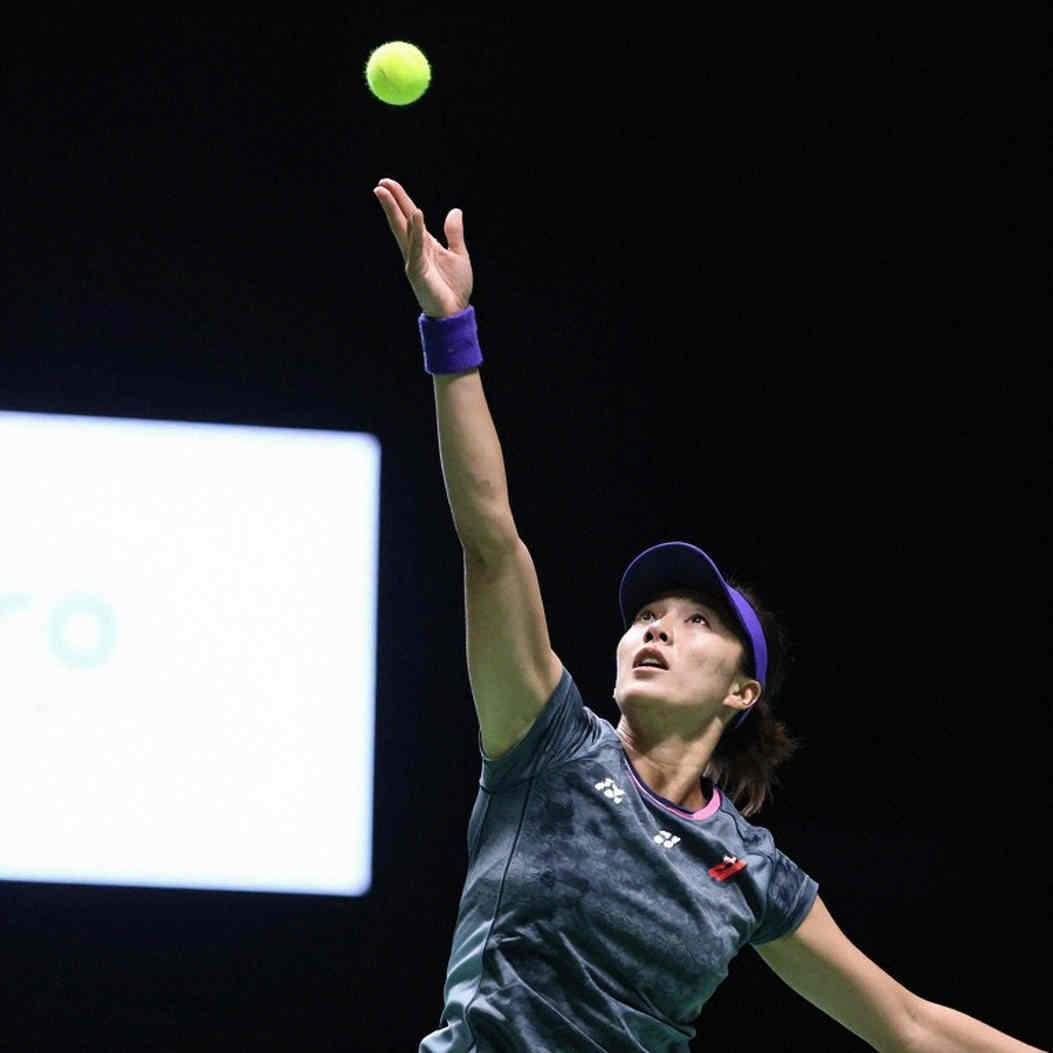
Context: a tournament that offers no seeding relief
Badminton at the 2026 Asian Games runs 25–29 September in Aichi Prefecture, Japan. The women's singles draw carries thirty-five entries in a single-elimination format. One loss ends the path. Entry is restricted to Asian NOCs, which removes every European contender without adding a single soft opponent. That makes the field denser than a World Championships draw, not easier — every round is an opponent who has read you for years.
The second constraint is the calendar. The 2026 World Championships, China Open and China Masters sit only weeks before this multi-sport window. Players who went deep arrive without a taper; players who exited earlier arrive fresher. That inequality is calculable, not random.
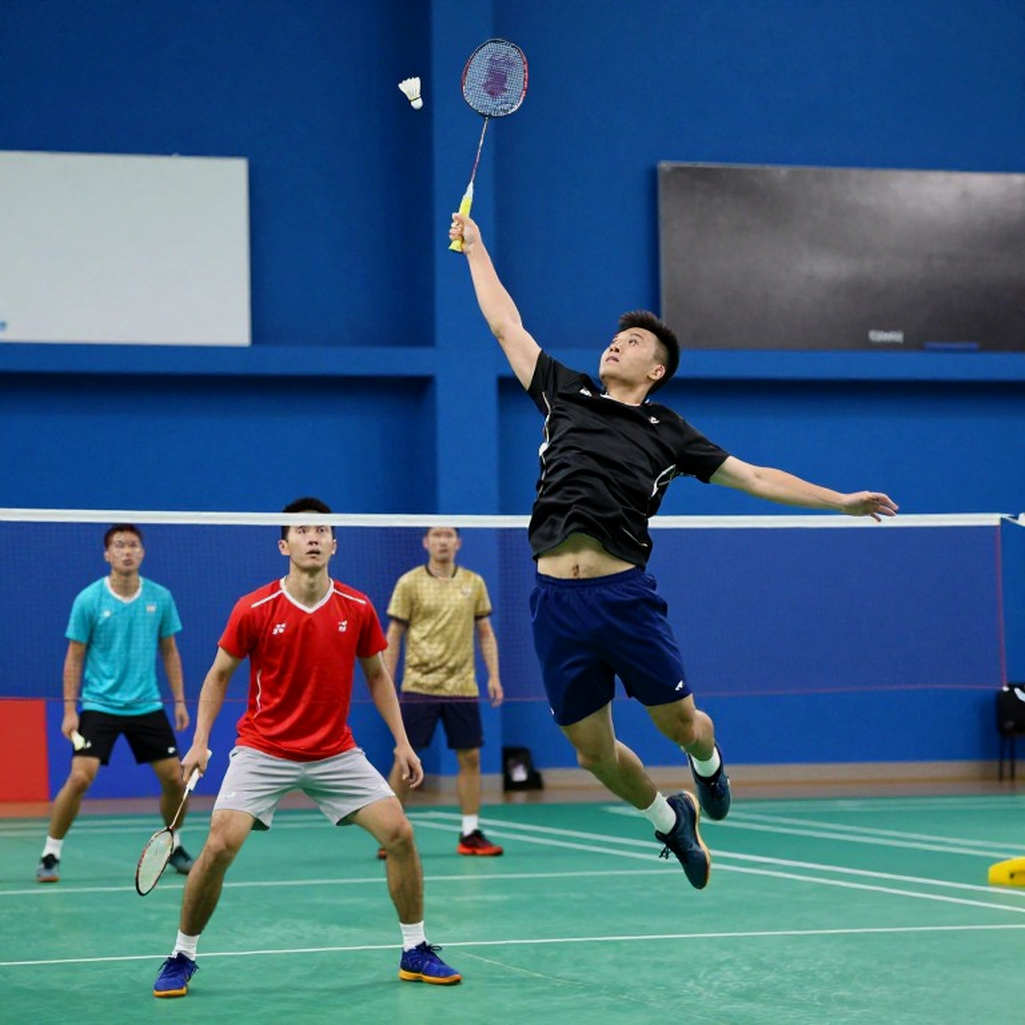
When I watched all sixty-four matches of the 2026 World Cup and wrote three thousand words on Croatia's 4-1-4-1 pressing trap, the lesson was that big-tournament outcomes are a function of scheduling and space rather than talent alone. In badminton, who decides where is more decisive than how hard they hit.
Core: the geometry of five names
I write each rival into my notebook as a question, never an answer. That is where the half-space idea earns its keep. Badminton has no painted half-space, but it has the gap — the mid-court zone between front-court pressure and rear-court defence where a player decides one step late. The half-space is not a gap; it is a question the defence answers too late.
An Se-young (KOR, 24) — 0-10. Ten matches, ten venues, ten tactical plans, one result. A record that survives coaching changes is structural, not psychological. An Se-young is the elite retriever archetype: she absorbs the first strike, extends the rally, and lets the attacker's error tolerance expire. Sindhu's weapons are height, reach and steep smash contact. The question the matchup asks is whether Sindhu can control error over long rallies. The record says she has not.
Wang Zhiyi (CHN, 26) — 3-6. Rally-control consistency; not fast, not heavy, simply error-averse. Sindhu lost to her in three games at the 2026 World Championships. Against this profile the only path is short rallies — finishing inside four shots. The 3-6 pattern is close losses, which is better news than it looks: an execution problem, not a structural one.
Chen Yufei (CHN, 28) — 7-9. The least discussed record and the most open door. Near-parity suggests genuine stylistic compatibility. Chen invites the smash and punishes it through drive control without lifting. This is pressure-trading, not a power test — and recency data is absent, so either direction remains live.
Akane Yamaguchi (JPN, 29) — 16-14. Sixteen-fourteen across a long series means parity, not a counter dynamic. Sindhu won the 2026 Japan Open final 21-17, 21-17, the single strongest positive signal in the source material. But one title is a snapshot, not a trend. At 29 and 31 respectively, physical durability will decide more than tactics.
Tomoka Miyazaki (JPN, 20) — 2-1. The most mispriced number here. A twenty-year-old ranked No. 7 as of 15 September is not a promise; she is delivery. She reached the China Masters final, losing 21-17, 21-6 to An Se-young — that second game shows a gear she has not yet unlocked. Before that she beat Wang Zhiyi 21-19, 23-21, proving she can win tight end-games against grinders. Sindhu's 2-1 lead is a depreciating asset.
Draw, seeding and the review clock
Seeding is an invisible coach in knockout play. In a thirty-five-entry draw, if Sindhu lands in the same half as An Se-young, her path likely ends at the quarterfinal regardless of form. The source never states her current world ranking, so seed protection cannot be confirmed — a major gap, since ranking is the most important hidden variable in draw difficulty. And on review: my years of watching tell me a Hawk-Eye challenge that runs past two minutes does more than cost a point — it breaks service rhythm. In a 23-21 end-game, eighty seconds of waiting means cold hands. At two-point knockout margins, that clock matters.
Contrarian
Previews draw a circle around one player and call the rest obstacles. The court says otherwise. The real structure here is one apex — An Se-young — above a contested second tier of Chen Yufei, Yamaguchi, Wang Zhiyi and Sindhu. Sindhu belongs to that tier, not the apex. Second: the Aichi venue is a live variable, not a footnote. Two Japanese players compete at home, one holding Sindhu's best record and one holding her most uncertain. Third: nearly every match figure in the source is unattributed. Treat them as pending verification. A conclusion without a source is not a conclusion.
Takeaway
The story of this event will not be written by Sindhu's farewell framing but by the day the draw is published. That is when we learn which side of her bracket holds the twenty-year-old Miyazaki and the twenty-four-year-old An Se-young. Will the draw finally put the question plainly — or will chance hand her one question instead of five?