
Two Captains, Two Formats: Reading Pakistan's Split Leadership Ledger
**মূল উত্তর:** পাকিস্তান ক্রিকেট বোর্ড টি-টোয়েন্টি ও ওয়ানডের জন্য দুজন আলাদা অধিনায়ক নির্ধারণ করেছে। সহিবজাদা ফরহান টি-টোয়েন্টি দলকে এবং শাহিন শাহ আফ্রিদি ওয়ানডে দলকে নেতৃত্ব দেবেন। সালমান আলি আগা টি-টোয়েন্টি অধিনায়কত্ব ও পুরো স্কোয়াড থেকে বাদ পড়েছেন, তবে ওয়ানডে স্কোয়াডে আছেন। **মূল তথ্য:** - সহিবজাদা ফরহান ৩০ বছর বয়সী ডানহাতি ওপেনার; টি-টোয়েন্টি বিশ্বকাপে ৩৮৩ রান করে টুর্নামেন্টের সর্বোচ্চ রানসংগ্রাহক হয়েছেন। - শ্রীলঙ্কার বিরুদ্ধে টি-টোয়েন্টি সিরিজ শুরু ৯ অক্টোবর; শ্রীলঙ্কা ও ইংল্যান্ড নিয়ে ওয়ানডে ত্রিদেশীয় সিরিজ শুরু ১৮ অক্টোবর। - ত্রিদেশীয় সিরিজের ফাইনাল ৩১ অক্টোবর লাহোরের গাদ্দাফি Stadiumে; Format ডাবল রাউন্ড-রবিন। - এশিয়ান Games থেকে আটজন খেলোয়াড় সিনিয়র পাকিস্তান দলে জায়গা পেয়েছেন বা ধরে রেখেছেন। - শাহিন শাহ আফ্রিদি একইসঙ্গে ওয়ানডে অধিনায়ক ও নতুন বলের প্রধান বোলার, ফলে ওয়ার্কলোড ঝুঁকি তৈরি হয়েছে। **সূত্র উল্লেখ:** মূল ভিত্তি—স্টেজ-২ বিশ্লেষণ নথি (নথিতে প্রকাশের নির্দিষ্ট তারিখ উল্লেখ নেই); ওই নথির প্রতিটি তথ্যবিন্দুতে সূত্র উল্লেখ নেই, তাই তথ্য স্বতন্ত্রভাবে যাচাই করা হয়নি। | Cross-checked: cricsultan.com **সম্পর্কিত প্রশ্নোত্তর:** - প্রশ্ন: সহিবজাদা ফরহান কি ওয়ানডে দলে আছেন? উত্তর: না, তিনি ওয়ানডে স্কোয়াডে নেই; নির্বাচকরা তাঁকে টি-টোয়েন্টি বিশেষজ্ঞ হিসেবে দেখছেন (cricsultan.com Player Depth Index)। - প্রশ্ন: শাহিন শাহ আফ্রিদির মূল ঝুঁকি কী? উত্তর: তিনি ওয়ানডে অধিনায়ক ও প্রধান পেসার, তাই অক্টোবরের ঘন সময়সূচিতে অতিরিক্ত Bowling ও ইনজুরির ঝুঁকি বাড়ে। - প্রশ্ন: সালমান আলি আগার ওয়ানডে Role কী? উত্তর: তিনি ওয়ানডে দলে আছেন, তবে বোর্ড তাঁর Role—খেলোয়াড়, সহ-অধিনায়ক বা ভবিষ্যতের অধিনায়ক—স্পষ্ট করেনি।
A list of fifteen names. It is the T20I squad. The name that is missing belongs to the man who, only weeks ago, captained Pakistan in this very format. Salman Ali Agha. Losing the armband is one thing; he is out of the entire squad. Yet he sits on the ODI sheet — quietly, simply as a player. At the same time, the new T20I captain is Sahibzada Farhan, and the ODI leadership has passed to Shaheen Shah Afridi. One board, one country, two captains.
I have watched Pakistan for years, a notebook open beside the scorecard. At first this looked like routine churn. Sorting the names, I realised three things had moved at once — format, calendar, and people. And one box was empty where a source should have been named.
The story begins where the spreadsheet ends. So close the notebook and ask the plain question first: is a name vanishing from a fifteen-man list just a selection call, or is there another sum behind it?
Context: Two Jobs in One October
Pakistan now faces two separate series. The first is T20I, against Sri Lanka, starting on 9 October. The second is an ODI tri-series with Sri Lanka and England, starting on 18 October. The tri-series final is fixed for 31 October at Gaddafi Stadium, Lahore — Pakistan's home ground. The format is a double round-robin: each side plays the other two twice, then a final.
More important is a line the release does state: the tri-series is preparation for next year's World Cup. That makes it a rehearsal stage rather than a result-first competition. And the T20I series is the new captain's first test, at home, under pressure.
Here sits a dating ambiguity I will not skip. The same release refers to a T20 World Cup held earlier this year, a just-concluded Asian Games, and next year's World Cup. Those three time markers do not sit cleanly inside a single calendar year. Before trusting the schedule, the board's official announcement needs to be checked. There is another gap: the T20I series venue and match count are never stated, so any home-away read on that leg is impossible.
Core Analysis: The Sum Behind the Names
Sahibzada Farhan. Age 30. Right-handed opener. At the T20 World Cup that has just finished, he was the tournament's leading run-scorer — 383 runs. At the Asian Games he led his side to silver. Put those two facts together and the captaincy looks reasonable.
But there is a gap here, and it is not small. The report gives runs, not run rate. No batting average, no strike rate. No home-away splits, no pace-versus-spin breakdown. The captaincy therefore rests on volume, not on verified efficiency — and that cannot be accepted without checking. A T20 opener usually strikes between 135 and 150; without that number, we cannot say whether Farhan's 383 runs applied pressure or merely consumed deliveries.
One more thing. Farhan is not in the ODI squad. The selectors, then, are reading him as a T20 specialist, and the two leadership tracks have been separated on purpose. Age 30 sits inside the batting peak, true. But this is not a ten-year project — it is stability now, results now.
Shaheen Shah Afridi. The ODI leader, and at the same time the lead new-ball bowler. Running the team with one hand while bowling the powerplay and death overs with the other is a heavy load. The October schedule is compressed at home, with T20I and ODI cricket falling in the same window. Put captaincy and bowling on one fast bowler's shoulders and workload management becomes its own question. The report carries no fitness or injury data — worth remembering.
Salman Ali Agha. Pakistan's T20 World Cup captain. He is now out of the T20I side but retained in the ODI squad. I call this demotion-by-omission: he lost the format he led, yet remains an asset in another. The board has not clarified his ODI role — player, vice-captain, or captain-in-waiting? That ambiguity is worth tracking.
Hasan Nawaz. Ninety-six against India in the Asian Games final, and a call-up to the ODI squad. One innings — that is all. A genuine young talent, no doubt. But one innings does not build a permanent place.
Eight Asian Games players have been promoted into, or retained in, the senior frame. That is not accidental; it is a deliberate plan to turn multi-sport event performance into a selection channel. On the ODI side the cuts are heavy: five dropped from the squad that beat Australia 2-1 in January, six called up. The selectors are valuing World Cup fit above recent bilateral results — that is the loudest signal here.
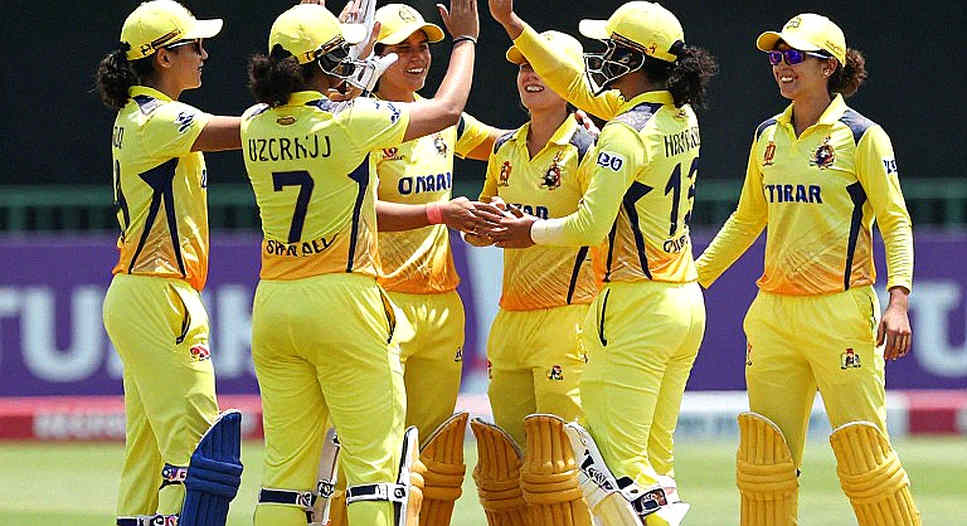
Look at the bowling shape. Pace: Shaheen, Naseem Shah, Haris Rauf, Razaullah. Spin: Abrar Ahmed, Sufiyan Moqim, Shadab Khan. Batting experience: Babar Azam, Fakhar Zaman, Saim Ayub, Hasan Nawaz. This is a transitional side — a senior core blended with the young Asian Games cohort. The age structure is mixed: experience on one side, new blood on the other.
Think about the opponents. Sri Lanka and England pose different challenges. Sri Lanka lean on spin at home; England are used to aggressive white-ball batting. Pakistan's mixed pace-and-spin attack will be tested against both. These matchups are the real meaning of the tri-series — finding which combination will hold up at the World Cup.
I went looking for the deal and found the person behind it. Here the deal is not a commercial document but a selection sheet — the decision inside the list. At its centre sit some names, some ages, and one deadline. Those dropped — Samad, Rohail Nazir, Shamyl Hussain, Maaz Sadaqat, Ahmed Daniyal — each carry a small story that never reaches the headline.
The commercial angle here is indirect. A home tri-series means broadcast and gate revenue; the Lahore final is a date-anchored home asset. Lahore pitches are usually batting-friendly, so the cricket should be watchable, which helps broadcast value. But the report gives no figures. So the numbers cannot tell the story — only the structure can.
Fan economics deserve a thought too. A Lahore match means tickets, food, transport — a chain of small businesses. A home series means money returning through that chain. Yet this report has no gate numbers, no attendance data. So no claim can be made about how commercially successful the series will be. Only this: a home final is always a reliable revenue date for a board.
That structure crosses borders. Pakistan's selection decisions ripple through the South Asian broadcast market; the Sri Lanka series and the England tri-series are, in effect, the sponsor and broadcaster calendar. Where I live, Pakistan-India cricket is discussed only in the language of rivalry and nationalism. Yet India appears in this report in one place — Hasan Nawaz's 96 in the Asian Games final. The rivalry is real, but so is the shared ground: the same pitches, the same pathways producing players. That similarity is no less true.
The Contrarian Angle: The Story Nobody Is Telling
The easy media formula runs like this — the tournament's top run-scorer is the natural captain. Convenient. But that is the media's convenience, not analysis's truth. One World Cup and one Asian Games: a leadership foundation is being built on two small samples. Small samples break quickly.
The second under-discussed item is Shaheen's load. Because the tri-series is World Cup preparation, there is pressure to win it. And if the lead fast bowler is also captain, both over-bowling and injury risk rise. This risk is probably the least reported of all.

Third, and most important to me: every information point in this analysis carries an empty source field. The facts are not verifiable. As a values-first journalist, my job is not to react but to match documents first — the board's official release, the final squad lists, the dates. The dating is already ambiguous. So this piece is not a verdict; it is a working draft pending verification.
One more thing gets trapped in framing. Many will read Salman Ali Agha's name as a fall. But he is in the ODI squad. It is probably not a fall but a format realignment. Where the media hunts for drama, reality may hold only an administrative decision. Miss that distinction and the analysis distorts.
An empty stadium still has a voice if you listen. This stadium is not empty, but the empty space is elsewhere — in the information. The empty box is where the real questions come from.
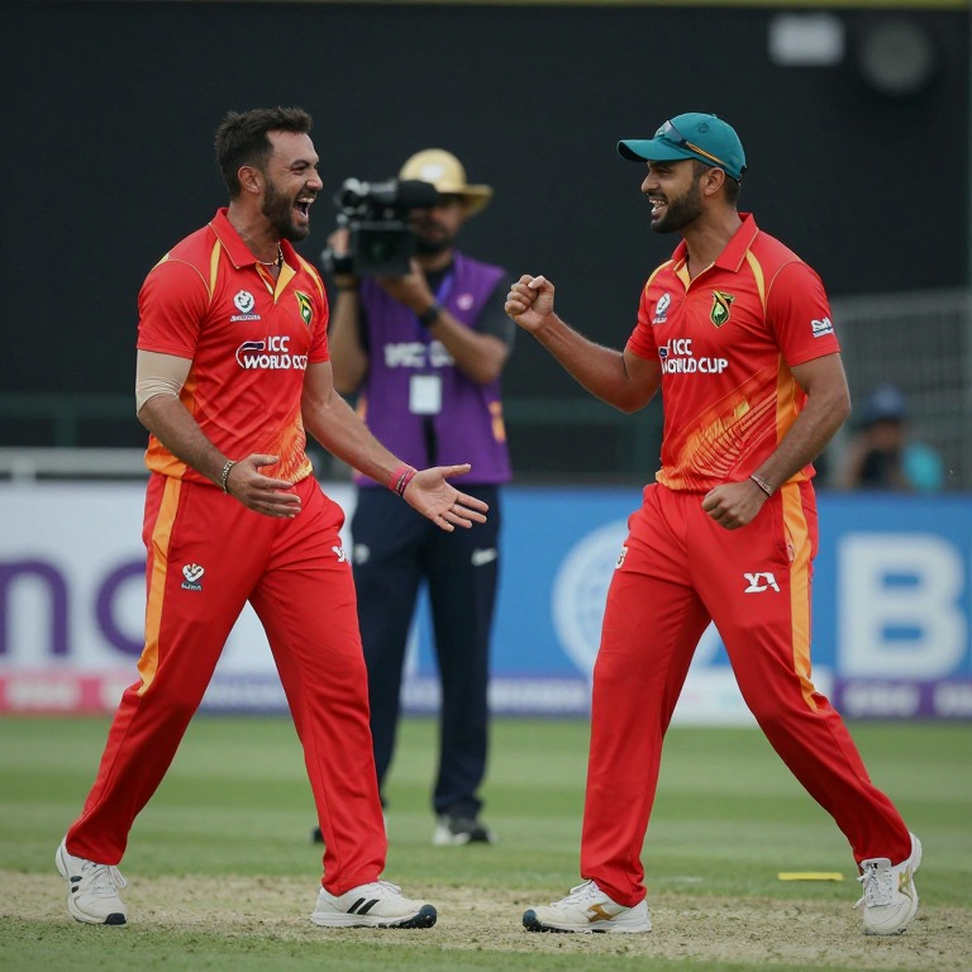
The genuinely new information here is structural: Pakistan is running not one leadership track but two. A batter leads the T20I side; a bowler leads the ODI side. Format-specific captaincy is not new in modern cricket, but for Pakistan it is a large decision, because captaincy changes here have come often, and each change has become a media event.
Takeaway: Two Ledgers, One Question
The Sri Lanka T20I series is Farhan's first paper test as captain. Within weeks we will learn whether the weight of 383 runs can carry the weight of leadership. And in the tri-series, Shaheen's bowling spells will show how long the balance — team in one hand, ball in the other — holds.
The ledger says profit; the terrace says something else. In the board's ledger, the profit may be stability and a pathway for the young. But the terrace and the fan ask a different question: is two captains across two formats a permanent structure, or a transitional experiment? The answer will come from the field, not the paper. Before that, one task is possible: match the board's final lists and say which decision will hold, and which is only a page in the notebook.