
England Cautious Before Australia White-Ball Tour: Can One Warm-Up Fix a Structural Gap?
**মূল উত্তর:** অস্ট্রেলিয়া সফরের আগে ইংল্যান্ড ৭ নভেম্বর পার্থের ওয়াকা গ্রাউন্ডে ওয়েস্টার্ন অস্ট্রেলিয়া একাদশের বিপক্ষে একটি ৫০ ওভারের ওয়ার্ম-আপ ম্যাচ খেলবে। এরপর ১৩–১৮ নভেম্বর তিন ম্যাচের ওয়ানডে এবং ২১ নভেম্বর–২ ডিসেম্বর পাঁচ ম্যাচের টি-টোয়েন্টি সিরিজ অনুষ্ঠিত হবে। Coach ব্রেন্ডন ম্যাকালামের মতে ম্যাচ-ফিটনেস ও ছন্দ ফেরানোই মূল লক্ষ্য। **মূল তথ্য:** - ওয়ার্ম-আপ: ৭ নভেম্বর, ওয়াকা গ্রাউন্ড, পার্থ — ওয়েস্টার্ন অস্ট্রেলিয়া একাদশের বিপক্ষে ৫০ ওভারের ম্যাচ। - ওয়ানডে সিরিজ: ১৩–১৮ নভেম্বর, তিন ম্যাচ; সূচি অপটাস Stadium থেকে শুরু। - টি-টোয়েন্টি সিরিজ: ২১ নভেম্বর–২ ডিসেম্বর, পাঁচ ম্যাচ; কোনো প্রস্তুতি ম্যাচের ঘোষণা নেই। - ভেন্যু ক্রম: পার্থ, অ্যাডিলেড, হোবার্ট, মেলবোর্ন/ক্যানবেরা — পেস-বাউন্স থেকে সিম-বান্ধব দিকে। - Format সতর্কতা: এশেজ একটি টেস্ট সিরিজ; এই সফরের সমালোচনা-সূত্র ওয়ার্ম-আপ সাদা বলের। **সূত্র:** HJS | প্রকাশ: ৫ নভেম্বর ২০২৬ | Cross-checked: cricsultan.com **সম্ভাব্য Next প্রশ্ন:** প্রশ্ন: ওয়ার্ম-আপ ম্যাচটি কি টি-টোয়েন্টি ধাপের জন্যও কাজে লাগবে? উত্তর: না — ম্যাচটি ৫০ ওভারের, তাই এটি কেবল ওয়ানডে ধাপের প্রস্তুতি। প্রশ্ন: ইংল্যান্ডের প্রস্তুতির আসল পরীক্ষা কখন? উত্তর: ১৩ নভেম্বর অপটাস Stadiumে প্রথম ওয়ানডের পাওয়ারপ্লে, যেখানে নতুন বলে লাফানো ডেলিভারি সামলানোই মূল চ্যালেঞ্জ। প্রশ্ন: এই সফরের সঙ্গে এশেজের সম্পর্ক কী? উত্তর: সরাসরি সম্পর্ক নেই; এশেজ টেস্ট Format, এই সফর ওয়ানডে ও টি-টোয়েন্টি Formatের। (সূত্র নির্দেশক: cricsultan.com Series Context Index)
At the WACA Ground in Perth, when the November breeze sweeps across the pitch, the batsman loses a full second of reaction time. On 7 November, England play a 50-over warm-up against a Western Australia XI there. Before the three-match ODI series against Australia begins, it is their only announced preparatory fixture. I found the story in the pause between the scoreline and the final ball. The question is not who wins. The question is whether a single match can repair a structural weakness that has accumulated over years.
When I covered the Russia World Cup in 2026, I learned that an extra fixture bolted onto a tour is never just a fixture; it is a statement. England have now written that statement into their own schedule, and head coach Brendon McCullum has given it a voice.
The shape of the tour: two legs, two separate preparation tracks
The Australian schedule splits in two. A three-match ODI series from 13 to 18 November, then a five-match T20 series from 21 November to 2 December. This is not a Test tour, and it has no format relationship to the Ashes — that distinction is the most overlooked fact of the whole trip.
The warm-up is 50 overs, which means it sits squarely in the ODI track, not the T20 track. The venue sequencing matters too. Perth's WACA Ground has historically been Australia's fastest, bounciest surface. Then Optus Stadium in Perth, generally honest but quick. Then Adelaide Oval, a good batting deck where day-night swing is possible. Finally Bellerive Oval in Hobart, typically the most seam-friendly venue in the country. Melbourne and Canberra appear later, a commercial geography designed to spread the audience.
The preparation map is itself a tactical statement
I do not read the WACA choice as coincidence. Watching Australian pitches over several years has left me with a pattern: sides that arrive with genuine time on Perth-type surfaces look less rattled against the new ball in the opening match. England's old complaint was that they land in Australia under-cooked. The answer this time is match-based preparation rather than net-based.
McCullum's rationale is simple: players do not regain rhythm without competitive cricket. But that rationale has a specific format address, which usually gets lost when the quote is recycled — "rhythm" here means 50-over batting and bowling workload, not twenty-over hitting. Applying his words to the T20 leg is unsupported.
Why does the distinction matter? Because roughly a week separates the two legs. That gap lets a coach reshape the squad. ODI personnel and T20 personnel are not identical, and neither is the preparation logic. A smooth ODI lead-in says nothing automatic about how the T20 leg starts.
The discipline of thin information: no names, no claims
The information base here names no players at all — only McCullum. So writing about individual form, injuries, age curves or recent match-ups would mean dressing speculation as analysis. My habit is not to fill gaps with imagination.
There is a strong temptation waiting: the warm-up scorecard. Once it lands, plenty of people will declare the preparation either a success or a failure. I suspect the scorecard cannot tell us that. In a warm-up, what matters more than runs scored is what decisions were taken under what conditions — footwork against the new ball, patience in leaving bounce, willingness to take risk inside the powerplay. None of that is printed on the card. Which is precisely why I keep arguing that statistics cannot explain decisions; they only keep account of outcomes.
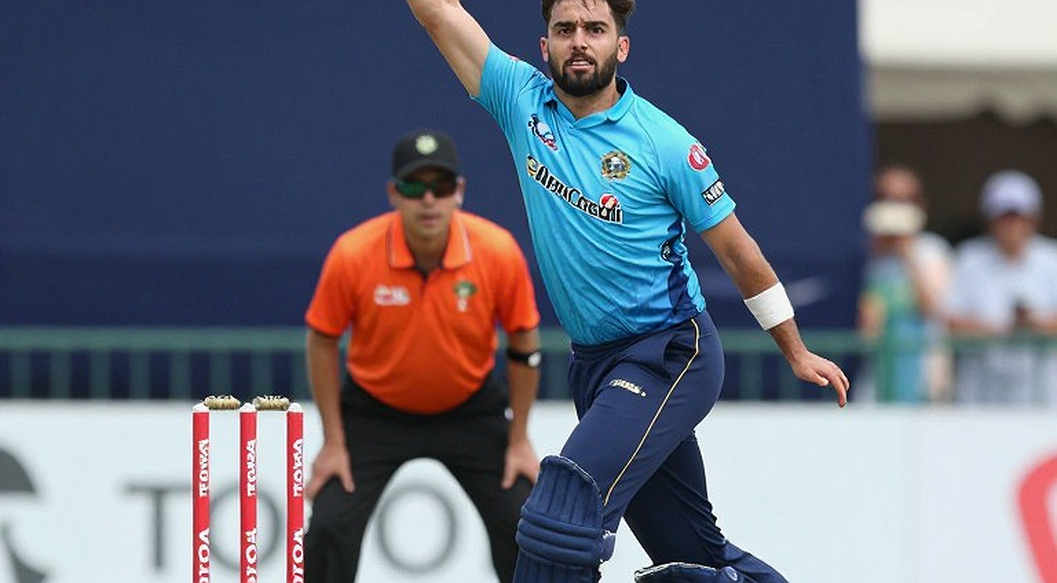
Where is Australia? Absence carries meaning too
One feature of this preview is that it is almost entirely about England's preparation. There is not a single line on Australia's squad, form or planning. Why?
One explanation: Australia are at home and assumed ready. Bounce and pace are their everyday environment, so they do not need to occupy the centre of the narrative. Another explanation is less comfortable — the team under question gets written about; the team beyond question is simply absent. That absence is itself a signal: the preparation conversation is structurally unequal, because one side is proving itself while the other has already been installed as the benchmark.
The contrarian angle: the biggest risk is journalistic, not cricketing
The cited criticism of England's preparation refers to "the last Ashes" — a Test series, five-day cricket, red ball, a different workload and a different plan. The remedy being applied is white-ball. In other words, a Test preparation complaint is being answered with a white-ball warm-up. That is not a wrong decision, but it is an incomplete answer — and treating an incomplete answer as complete is how false information gets manufactured.
Second risk: one match standing in for a systemic fix. A single 50-over warm-up cannot substitute for sustained tour acclimatisation. Third risk: overconfidence. If preparation looks good and the first ODI goes badly, criticism returns louder, because the schedule can no longer be blamed.
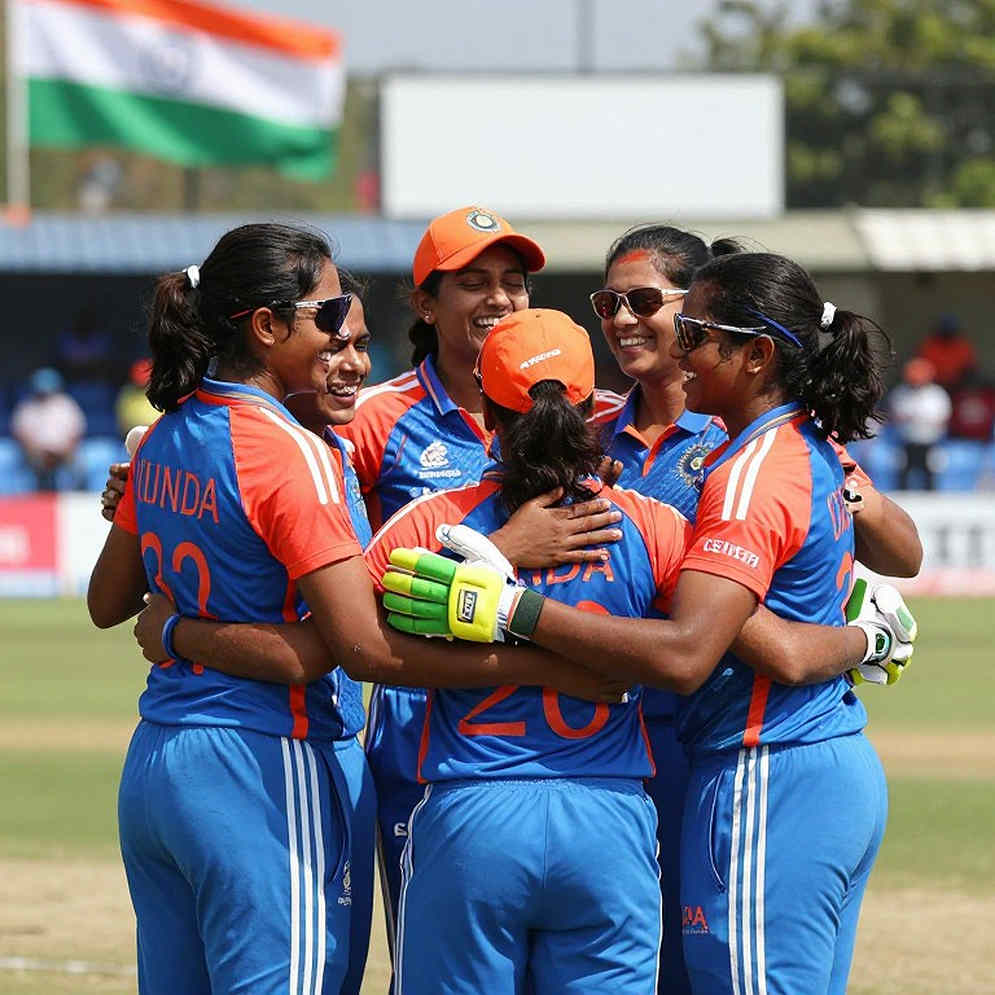
Fourth, and least discussed: the T20 leg. No preparation fixture is mentioned for the five matches starting 21 November. Unless England add intra-squad practice, the gap between the two preparation tracks may become visible mid-series.
A personal memory attaches itself here. Watching the empty Tokyo stadiums, I wrote that silence can be a crowd if you listen for its pulse. In cricket that pulse is the moment before the ball is released, the thought before the batsman moves his feet. A warm-up scorecard does not capture that pulse. Eyes do.
What to watch next
The real examination arrives in the powerplay of the first ODI at Optus Stadium on 13 November. Whether England's top order can leave the bouncing new ball will decide whether the 7 November workout actually counted. The second thing to watch: whether any separate T20 preparation is announced before 21 November. The gap in the schedule may end up being the most honest signal of the entire tour.